


A Look at How High-Speed Drill Bits Are Manufactured
A Look at How High-Speed Drill Bits Are Manufactured
 2026-03-10T08:23:10-08:00
Precision drilling starts long before a bit meets metal. Manufacturers control alloy composition, machining accuracy, and heat treatment to produce tools that hold an edge under heat and pressure. Professionals across metalworking and fabrication rely on consistent tooling every day.
Production teams that manage each phase with discipline produce drills that cut cleanly and hold their geometry under load. The process moves in a clear sequence, beginning with alloy selection and continuing through forming, grinding, hardening, finishing, and inspection.
Let’s take a closer look at how high-speed drill bits are manufactured to see what separates dependable tooling from lower-grade alternatives.
Steel Selection and Alloy Balance
Manufacturers begin with high-speed steel alloy engineered for heat resistance and wear strength. They combine elements such as tungsten, molybdenum, chromium, and vanadium in controlled ratios. Each element plays a direct role in hardness, edge retention, and thermal breakdown resistance.
Steel mills melt and refine these alloys under tightly regulated temperatures. Metallurgists monitor chemical composition throughout the process to maintain consistency from batch to batch. Balanced chemistry supports predictable hardness after heat treatment.
Without disciplined alloy control, later production steps cannot compensate for weaknesses in the steel. Strong metallurgy forms the backbone of a reliable cutting tool.
Billet Rolling and Blank Preparation
After refining the molten steel, mills cast it into solid billets. Rolling machines compress and elongate those billets into round bars with a uniform diameter. This mechanical working aligns the grain structure and strengthens the steel’s internal structure.
Manufacturers cut the bars into individual blanks based on drill length and diameter specifications. Accurate cutting at this stage prevents dimensional drift during grinding. Straight, consistent blanks allow the next phase to proceed with precision.
Some facilities apply roll forging to begin shaping the helical structure. This technique improves grain flow along the future flute path and supports fatigue resistance during repeated drilling cycles.
Precision Flute Grinding
Flutes guide chips away from the cutting edge and regulate heat flow. CNC grinding machines carve spiral channels into each blank at a defined helix angle. That angle directly influences chip evacuation and drilling stability.
Grinding technicians monitor flute depth, pitch, and surface finish throughout production. Smooth flute walls reduce friction and promote steady chip movement. Consistent geometry keeps cutting forces balanced.
Accurate flute formation enables the drill to maintain performance across various metals. Therefore, manufacturers invest heavily in precision grinding equipment and inspection tools.
Point Geometry and Cutting Edge Formation
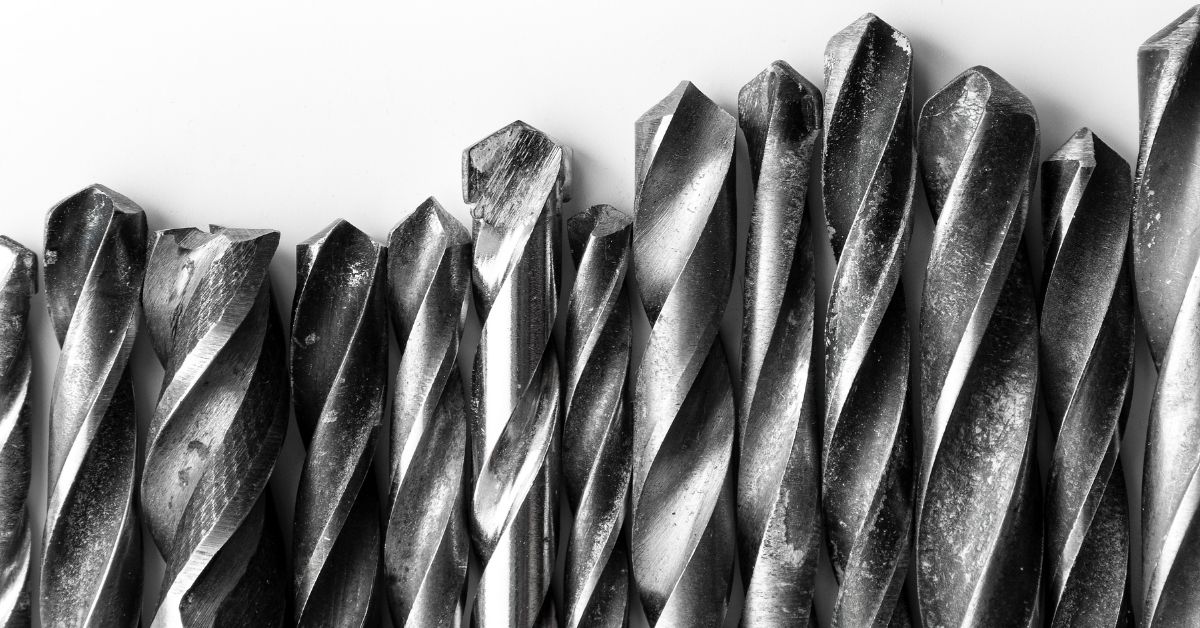
The point determines how the drill enters the material and maintains alignment. Grinding systems shape the tip according to its intended use, ensuring optimal performance and durability. A 118-degree point supports general drilling applications, making it suitable for various materials and thicknesses, while a 135-degree split point enhances centering and reduces walking in harder alloys. Split points reduce walking and lower thrust pressure at initial contact, minimizing strain on the drill and machine.
Balanced cutting lips distribute force evenly across the hole diameter, facilitating smoother cuts and longer tool life. Technicians verify symmetry and edge alignment using optical inspection equipment to ensure precision and consistency.
Well-formed point geometry improves accuracy and surface finish, resulting in cleaner holes and tighter tolerances. As a result, the drill cuts efficiently, producing high-quality holes with minimal vibration and reduced tool fatigue.
Heat Treatment and Hardening Control
Machining gives the drill its shape, yet heat treatment gives it strength. Production teams heat the bits to a controlled temperature before quenching and tempering them. This sequence increases hardness while preserving structural toughness.
Careful temperature regulation prevents brittleness and internal stress. Controlled cooling stabilizes the steel’s microstructure. Hardness testing confirms that each batch meets performance standards before moving forward.
Heat treatment determines how long the cutting edge maintains sharpness under friction. Therefore, manufacturers rely on precise furnace control and documented procedures.
Surface Finishing and Protective Coatings
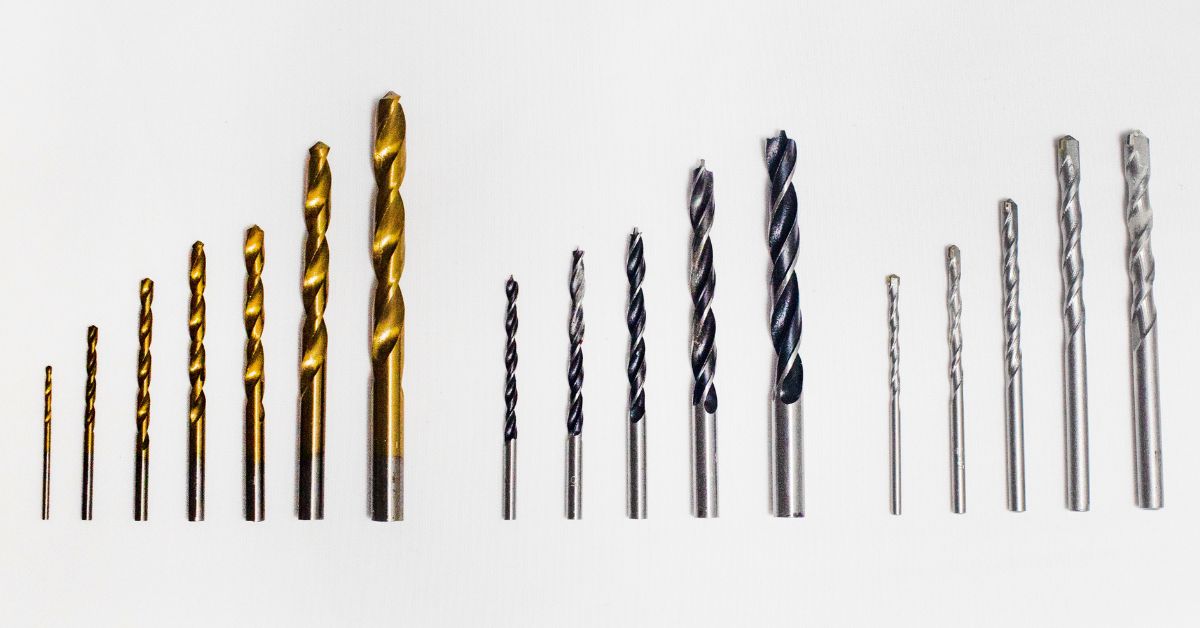
After hardening, manufacturers apply surface treatments that reduce friction and improve wear resistance. Black oxide finishing offers light corrosion protection and promotes smoother chip flow. Titanium-based coatings add surface hardness and reduce heat buildup during high-speed drilling.
Finishing teams select coating types based on expected applications. Smooth surfaces support steady cutting and cleaner hole walls. Surface treatment works in partnership with proper metallurgy rather than replacing it.
Consistent finishing practices improve long-term reliability across production runs.
Dimensional Inspection and Quality Assurance
Inspection teams measure critical dimensions, including diameter tolerance, overall length, flute alignment, and point angle, to ensure precision. Optical systems are used to verify symmetry, edge integrity, and surface finish, confirming high-quality standards. Hardness tests verify that the heat treatment process achieved the specified target levels, ensuring material strength and durability.
Manufacturers meticulously document all measurements to maintain traceability and accountability throughout production. Quality control procedures include removing any out-of-spec components before packaging, preventing defective parts from reaching customers. This disciplined approach safeguards buyers from inconsistent tooling and enhances overall product reliability.
Reliable inspection systems create confidence in every production batch, ensuring consistent performance and customer satisfaction.
Packaging and Handling Standards
After inspection approval, teams prepare the drills for packaging. Protective finishes guard against corrosion during storage and transit. Organized packaging prevents edge contact that could damage the cutting lips.
Proper handling maintains the geometry achieved during grinding and heat treatment. Controlled storage conditions protect the drill’s surface integrity until it reaches the end user. Attention to detail continues through the final distribution stage.
Every step, including packaging, supports performance at the jobsite or in the shop.
Why Manufacturing Discipline Matters
Production standards directly impact performance. Understanding how high-speed drill bits are made offers clearer insight into what ensures long-term durability. When teams adhere to strict standards, the final drill consistently delivers:
- Accurate diameter tolerance across the full cutting length
- Balanced point geometry for stable hole entry
- Smooth flute surfaces that promote steady chip evacuation
- Controlled hardness for edge retention under heat
- Consistent coating adhesion for reduced surface friction
Each of these characteristics stems directly from the production floor. When manufacturers control alloy chemistry, grinding accuracy, and heat-treatment cycles, they produce drills that perform reliably in demanding metal applications.
Built for Consistent Metal Cutting Performance
Production excellence determines how a drill performs under pressure. Controlled alloy composition, precise grinding, disciplined hardening, and thorough inspection all shape a dependable cutting tool. Each phase influences strength, wear resistance, and drilling stability.
Professionals who depend on high-speed steel drill bits for metal fabrication benefit from tooling produced under strict manufacturing standards. DrillBitWarehouse works with manufacturers who prioritize material integrity and process control from start to finish. Browse our selection and choose tools built for consistent, reliable performance in demanding environments.