


Advantages of Wet Diamond Core Bits Over Dry Cutting Methods
Advantages of Wet Diamond Core Bits Over Dry Cutting Methods
 2026-08-28T09:26:36-08:00
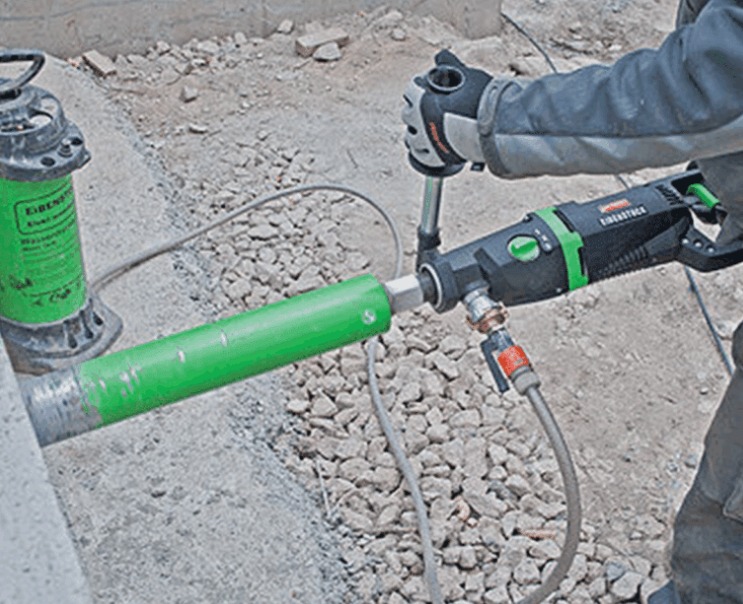
Concrete coring grows more demanding as hole diameter, depth, and material density increase. In these conditions, the benefits of wet diamond core bits over dry cutting methods become easier to recognize.
Wet and dry core bits each serve different jobsite needs. Choosing between them depends on the material, hole requirements, available water, and surrounding work area.
Here are seven reasons why professionals often choose wet core bits for demanding coring work.
1. Water Keeps Heat Under Control
Diamond segments grind through material rather than slice through it. That grinding action creates heat, and deep holes trap much of that heat around the barrel.
A steady water supply cools the segment bond while the bit cuts. Lower temperatures help the diamonds stay exposed and productive instead of glazing over. The operator can keep a smoother pace without stopping as often to let the barrel cool.
Heat control matters on long cuts and larger diameters. Those jobs create more contact area and place greater demand on the bit. Wet cutting helps manage that load before heat starts shortening service life.
2. Wet Cutting Reduces Airborne Dust
Dry coring can send fine concrete dust into the surrounding area. That dust may cloud the operator’s view, settle on nearby surfaces, and make cleanup harder.
Water captures much of the dust at the hole. The debris mixes with the water and exits as slurry instead of hanging in the air. Crews still need proper containment, yet slurry usually stays easier to control than drifting dust.
A cleaner work area also helps crews track the cut. Operators can watch the water return and catch changes before the bit starts binding.
3. The Bit Runs More Smoothly
Wet cutting helps the barrel move through the hole with less drag. Water lubricates the cutting path and clears loose particles before they pack around the segments.
That smoother motion can reduce chatter and vibration. Less vibration helps the operator maintain alignment, especially during the first part of the cut. Once the bit establishes the hole, steady pressure keeps the segments working evenly.
We recommend letting the diamonds do the cutting. Excess force can slow the bit, wear the bond unevenly, or cause the barrel to grab. A controlled feed rate usually produces a cleaner result.
4. Water Flushes Debris From the Kerf
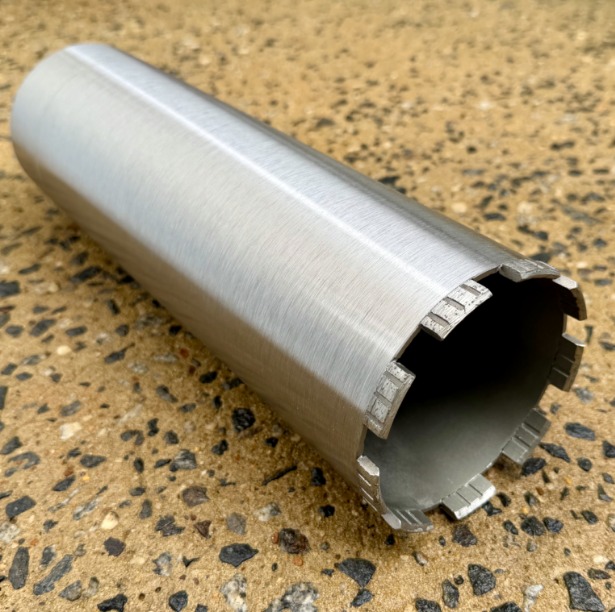
The kerf is the narrow channel the bit creates around the core. As the segments grind through concrete or masonry, that channel fills with abrasive particles.
Good water flow pushes those particles out of the cut. An open kerf reduces resistance and gives the barrel room to advance. The benefit becomes more noticeable as hole depth increases because debris has farther to travel.
Watch the Water Return
Pause and inspect the setup when you notice:
- Water stops returning from the hole
- Slurry becomes unusually thick
- Cutting speed drops without a material change
- The drill starts working harder than expected
Those signs can point to weak water flow, packed debris, or poor slurry movement. Correcting the problem early may prevent segment damage or barrel binding.
5. Wet Core Bits Can Last Longer
Bit life depends on the material, speed, pressure, water flow, and drilling setup. Wet cutting supports longer life because it controls heat and removes abrasive debris from the contact area.
With the right operating conditions, wet diamond core drill bits can maintain steady cutting across repeated holes. Water helps protect the segment bond while fresh diamonds continue to expose themselves during use.
Proper technique still matters. Too much pressure can overload the bit, while weak flow may leave heat and slurry trapped in the cut. Matching the bit to the material gives the segments a better chance to wear at the right rate.
6. Wet Coring Produces Cleaner Holes
A stable barrel can create a smoother opening with less chipping around the edge. Cleaner holes matter when crews need accurate space for pipe, conduit, anchors, or utility lines.
Water helps reduce friction that can pull the bit off course. A secure rig or steady handheld setup keeps the barrel from wandering during entry. Once the segments establish the cut, even pressure helps protect the surrounding surface.
Drill Bit Warehouse carries wet core bits for concrete, masonry, stone, and asphalt. The right diameter and segment design can make a noticeable difference in hole quality.
7. Wet Bits Handle Tougher Coring Jobs
Wet core bits suit larger holes, deeper cuts, and dense material. They can also handle reinforced concrete when the bit design matches the application.
Water becomes especially helpful when the bit meets hard aggregate or embedded steel. It cools the cutting edge while carrying ground material away from the segments. That combination helps the operator maintain control through changing resistance.
Common wet coring applications include:
- Plumbing and drain openings
- Electrical conduit penetrations
- HVAC and utility access
- Structural testing holes
- Concrete or asphalt sampling
Crews should confirm hole depth, material type, equipment, and water access before starting. Those details guide the choice of bit diameter and barrel length.
When Dry Cutting Makes More Sense
Wet cutting offers clear benefits, yet dry core bits still fit jobs where water creates risk. Finished interiors, active electrical areas, and locations with limited drainage may call for a dry setup.
Dry cutting can also work well on shallower holes when crews have proper dust collection and can manage heat. Operators should follow the bit maker’s speed and usage guidance because dry segments rely on airflow and rest periods for cooling.
The jobsite should guide the decision. Water access, hole size, material, cleanup limits, and equipment all shape the better choice.
Choose the Method That Fits the Cut
For many demanding applications, the advantages of using wet diamond core bits over dry cutting methods include cooler operation, smoother drilling, cleaner holes, and better debris removal. Wet cutting gives the bit a more stable working environment, especially during deep or large-diameter coring.
Dry methods still earn their place where water use creates a problem. When wet coring fits the site, it can help crews maintain control and protect the bit from avoidable wear.
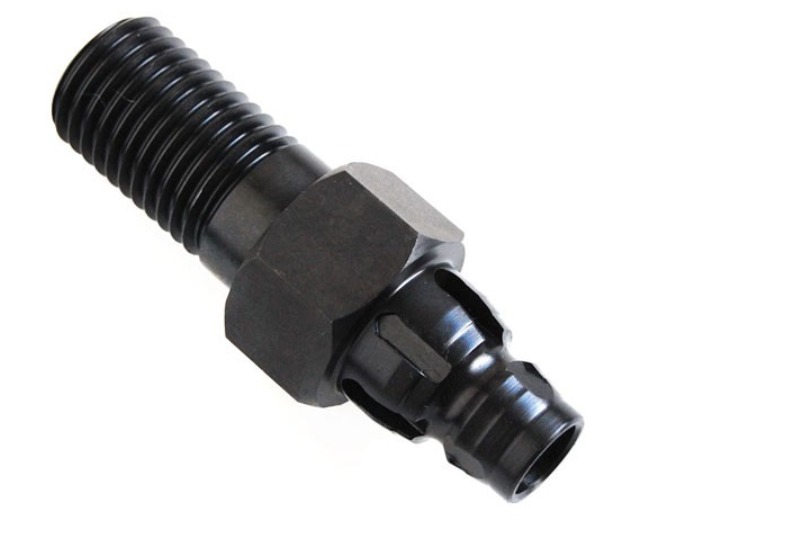
Drill Bit Warehouse carries professional wet diamond core bits in a wide range of diameters, along with adapters and barrel extensions for varied setups. Contact our team for help choosing a bit that matches your material, hole size, and drilling equipment.