


Best Lubricants and Coolants for Drill Bit Longevity
Best Lubricants and Coolants for Drill Bit Longevity
 2026-02-27T08:49:22-08:00
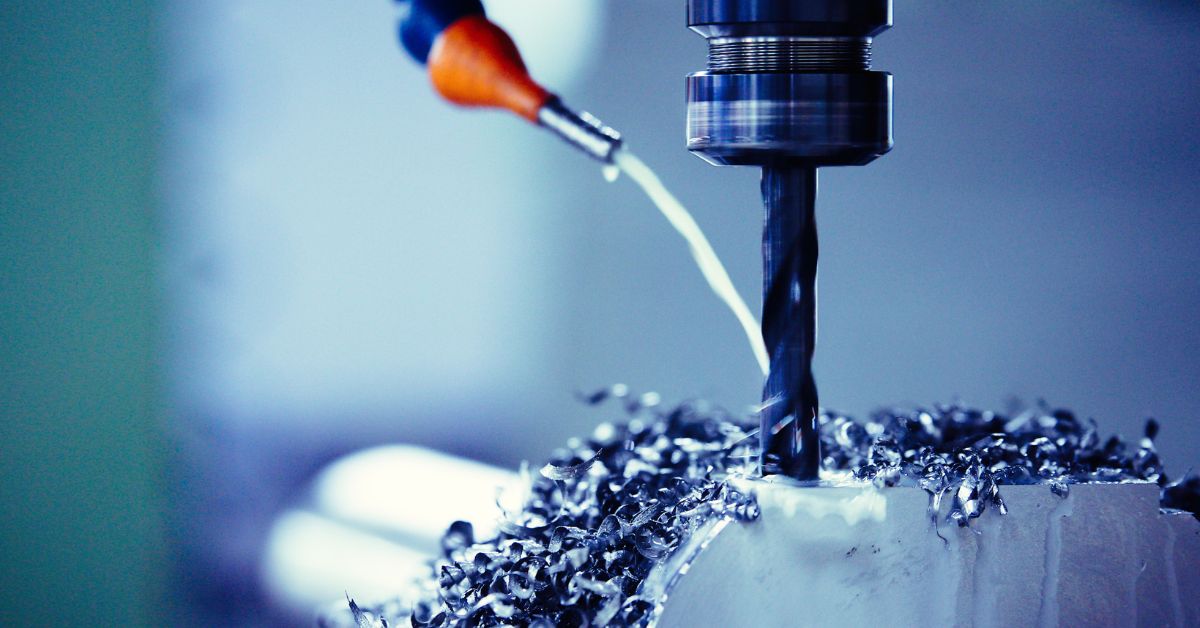
Heat and friction tend to shorten tool life more rapidly than factors like feed pressure or material density. As a result, effective lubrication and cooling are essential for optimizing drill bit performance in metalworking. Skilled operators who manage temperature and chip removal help safeguard cutting edges and ensure precise dimensions.
A well-defined lubrication strategy distinguishes between short tool cycles and long-term performance. Shops that assess fluid type, application method, and material compatibility ensure stronger cutting edges during repeated drilling.
Here are the top lubricants and coolants to extend drill bit life.
Why Lubrication Matters In Metal Drilling
Metal cutting produces concentrated heat at the contact point between the cutting edge and the workpiece. Friction increases along the flute, especially when drilling deeper holes or working with harder alloys. Without lubrication, this heat softens the cutting edge and leads to more flank wear.
Lubricants help lower friction at the interface and facilitate smoother chip flow. As chips exit the hole more efficiently, heat is dispersed away from the tip instead of accumulating. This results in better hole quality and more consistent performance over multiple cycles.
How Coolants Control Heat And Extend Tool Life
Coolants regulate temperature by circulating fluid and promoting evaporation. While lubricants minimize friction, coolants effectively absorb and carry heat away from the cutting zone. This protects the drill tip and preserves the hardness of tools made from high-speed steel, cobalt, and carbide. In manufacturing, consistent coolant flow maintains stable cutting conditions.
Stable temperatures result in uniform hole sizes and smoother finishes. As a result, facilities that properly manage coolant application experience fewer tool changes and reduced downtime.
Experts seeking the best lubricants and coolants to extend drill bit life recognize that cooling capacity and lubrication efficiency must align with drilling speed and material density.
Oil-Based Cutting Fluids For Heavy-Duty Applications
Oil-based fluids deliver strong lubrication under high pressure. These fluids adhere to the cutting edge and maintain a protective film at slower feed rates or when machining dense metals such as stainless steel and tool steel.
Manufacturers incorporate extreme-pressure additives that strengthen boundary lubrication. As a result, oil-based fluids support tapping, reaming, and deep drilling where heat concentration intensifies. Operators who work with alloy steels benefit from oil’s ability to prevent edge welding and material adhesion.
However, oil requires controlled application. Excess fluid attracts debris and complicates cleanup. Targeted use through brush or drop-feed methods provides effective coverage without waste.
Water-Soluble Coolants For Production Environments
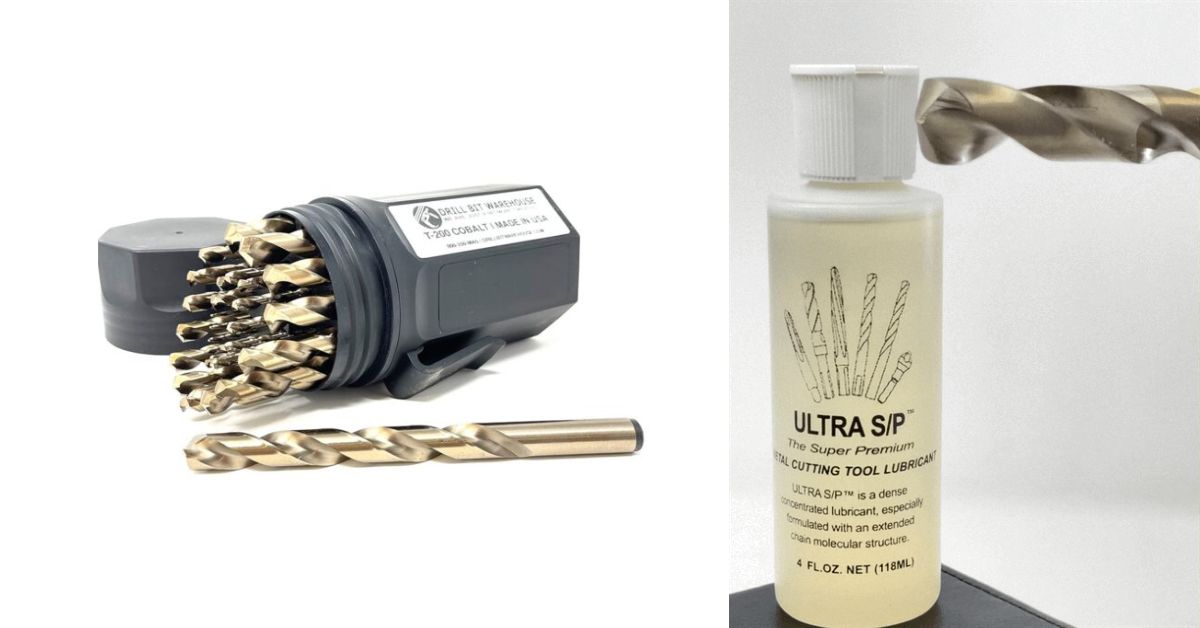
Water-soluble coolants combine concentrate with water to form an emulsion that delivers lubrication while absorbing heat. These fluids circulate through pumps and deliver a steady flow during high-speed drilling.
Because water absorbs heat efficiently, these coolants perform well in repetitive drilling tasks across mild steel and aluminum. Moreover, emulsions reduce smoke and improve visibility at the work surface.
Maintenance plays a central role in performance. Shops must monitor concentration ratios and replace contaminated mixtures. Proper fluid management preserves cooling strength and supports longer tool life.
Synthetic And Semi-Synthetic Coolants
Synthetic coolants contain no mineral oil and focus on cooling efficiency. Semi-synthetics blend synthetic components with a limited amount of oil, offering balanced lubrication and heat control.
These options suit operations that prioritize cleanliness and reduced residue. Operators who drill non-ferrous metals or run CNC systems appreciate the cleaner cutting environment.
Although synthetic fluids cool efficiently, they provide less boundary lubrication than oil-heavy products. Therefore, shops must match coolant selection to material hardness and cutting speed.
Matching Lubricant Type To Drill Bit Material
Drill bit composition influences lubricant selection. High-speed steel handles moderate heat yet benefits from steady lubrication during extended cuts. Cobalt bits resist heat more effectively, though friction reduction improves edge retention.
Carbide bits tolerate elevated temperatures, though sudden thermal fluctuation may cause microfractures. For carbide drilling, consistent coolant flow supports stable operating temperatures.
Professionals who invest in high-quality drill bits gain stronger performance when paired with compatible lubrication. Fluid selection should complement tool metallurgy and drilling conditions.
Application Methods That Improve Coverage
Fluid choice alone does not protect cutting edges. The application method determines how effectively the lubricant reaches the cutting zone.
Consider these common approaches:
- Manual brush or squeeze bottle for controlled spot application
- Flood coolant systems for continuous production drilling
- Mist systems for lighter lubrication with reduced runoff
- Through-spindle coolant for deep-hole operations
- Drop-feed oilers for precision bench drilling
Each method offers advantages based on production volume and material type. Therefore, operators should evaluate drilling depth, feed rate, and machine configuration before selecting an approach.
Common Mistakes That Shorten Drill Bit Life
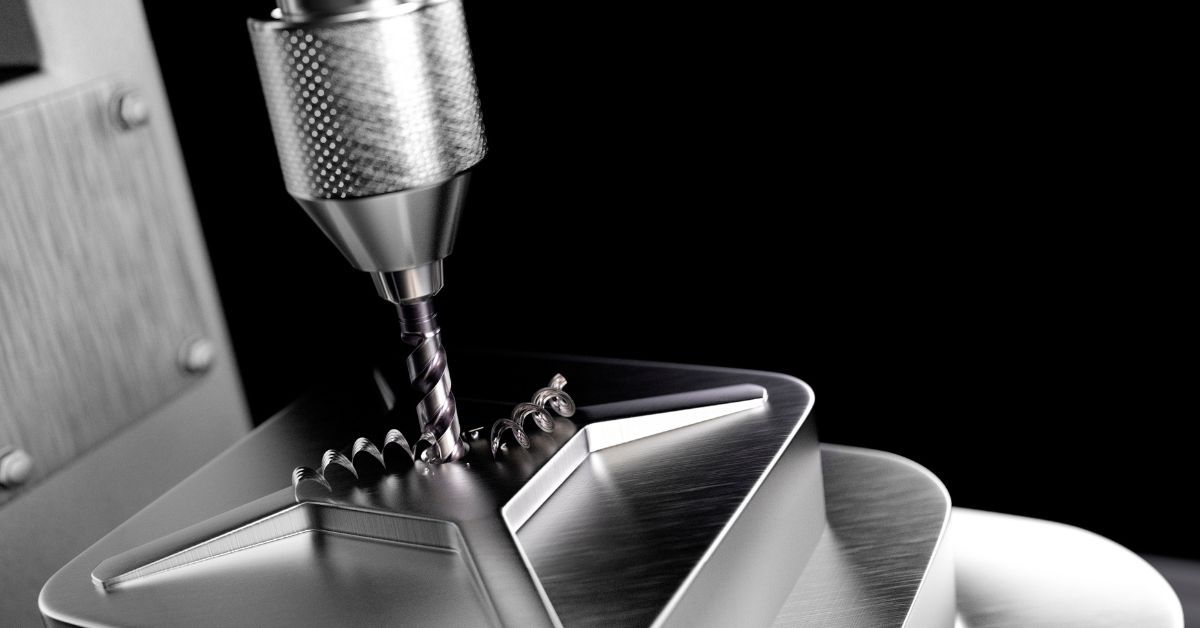
Improper coolant use reduces tool performance even when shops select the correct fluid. Many operators apply lubricant after heat buildup occurs rather than during initial contact.
Other frequent issues include:
- Inconsistent coolant concentration
- Allowing chips to pack within flutes
- Using water alone without lubrication additives
- Switching fluids without cleaning reservoirs
- Running excessive speed without adequate cooling
When shops correct these habits, drill bits maintain sharper cutting edges and resist premature dulling.
Lubrication For Specialty Applications
Certain drilling tasks demand specialized fluid considerations. Stainless steel hardens under heat, increasing resistance during subsequent passes. Heavy oil-based lubricants reduce friction and protect against surface glazing.
Aluminum presents different challenges. Built-up edge formation occurs when material adheres to the drill tip. Light oil or synthetic coolant promotes smooth chip flow and limits material transfer.
In aerospace and automotive machining, tight dimensional tolerances demand consistent thermal control. Therefore, controlled coolant delivery supports uniform hole geometry across production runs.
Signs That Lubrication Needs Adjustment
Tool wear patterns indicate whether the lubrication strategy supports long-term performance. Blue discoloration at the tip signals overheating. Chipped cutting edges suggest thermal fluctuations or inconsistent coolant flow.
Rough hole walls indicate poor chip evacuation or insufficient lubrication. Increased drilling noise may also signal friction buildup.
When operators notice these indicators, the fluid type or delivery method requires prompt evaluation. Quick adjustments preserve drill integrity and reduce material waste.
Protecting Drill Bit Performance Through Proper Lubrication
Lubricants and coolants are vital for precise metal drilling. They reduce friction and control heat, helping maintain the sharpness of cutting edges and ensuring consistent accuracy. Professionals who match fluid type with the material, bit composition, and drilling depth can significantly extend tool lifespan.
Making careful choices and following disciplined application practices enhances productivity at workshops and job sites. DrillBitWarehouse offers metal-cutting tools designed for tough environments, and proper lubrication enables them to perform effectively during long drilling cycles. Contact us today and explore our selection to find the best drill bit for your needs.
