


Best Practices for Drilling Into Reinforced Concrete
Best Practices for Drilling Into Reinforced Concrete
 2026-04-16T10:05:47-08:00
Reinforced concrete challenges even experienced operators due to the combination of dense aggregate and embedded steel. Each material reacts differently under cutting pressure, so your approach must remain controlled and intentional from start to finish. Because of this, applying best practices for drilling into reinforced concrete improves accuracy, reduces tool wear, and maintains productivity.
Keep reading our guide as we break down proven techniques, tool selection strategies, and workflow habits that support consistent results in reinforced concrete applications.
Why Reinforced Concrete Requires a Different Approach
Concrete alone provides consistent resistance during drilling; however, reinforced concrete exhibits abrupt density variations due to the presence of steel rebar. When the drill encounters steel rebar, the rebar interrupts the drilling path, causing an immediate increase in cutting force. This sudden shift places additional stress on both the drill bit and the operator, potentially leading to bit deflection, overheating, or accelerated wear if not managed properly.
To navigate these challenges effectively, it’s essential to adopt a balanced approach that considers the properties of both concrete and reinforcement throughout the drilling process.
By understanding this interaction, operators can maintain better control, avoid unexpected problems, and optimize the drilling performance rather than reacting to issues after they occur.
Selecting a Bit Designed for Concrete and Rebar
Standard masonry bits handle concrete well but struggle when they contact steel. This limitation causes interruptions and unnecessary wear. Instead, choose a bit built for mixed-material drilling.
Look for features such as:
- Multi-cutter carbide tips for durability
- Reinforced head construction for impact resistance
- Flute design that supports efficient dust removal
- Compatibility with SDS-PLUS or SDS-MAX systems
A purpose-built bit maintains cutting performance on both concrete and steel, keeping your workflow consistent.
Starting the Hole With Control
The first few seconds of drilling are crucial in shaping the development of the entire hole. A rushed start can lead to wandering or an uneven entry, which may affect the precision and stability of the drill path. To ensure accuracy, position the bit square to the surface and apply controlled, steady pressure.
Allow the cutting edges to engage gradually, avoiding forceful pushing, to create a clean entry point and stabilize the drilling trajectory.
Once the bit begins to track properly and maintains a straight path, you can gradually increase the drilling speed while maintaining careful control to ensure a smooth, accurate hole.
Keeping Steady Pressure Throughout the Cut
Pressure control is a critical factor that significantly influences drilling performance. Applying excessive force increases friction between the drill bit and the formation, leading to higher temperatures that can cause wear or damage. Conversely, applying insufficient force slows progress because the bit struggles to penetrate the material effectively.
To optimize drilling, maintain a steady, moderate feed rate that allows the bit to cut without undue pressure. It is important to let the drill bit’s design and sharpness do the work, rather than pushing aggressively. When you notice resistance increases or decreases, adjust your pressure accordingly to avoid overloading the bit or causing inefficient cuts, rather than forcing the bit through tough sections.
Consistent, controlled pressure helps preserve the integrity of the cutting edges, reduces wear, and supports smoother, more efficient hole formation by promoting uniform cutting action and reducing vibrations or deviations.
Handling the Transition From Concrete to Steel
Contact with rebar requires a shift in technique. The bit encounters higher resistance, which can cause sudden strain if handled incorrectly.
Instead of increasing force, hold steady pressure and allow the bit to engage the steel gradually. Maintain alignment and avoid jerking movements.
During this phase:
- Keep your drilling speed consistent
- Avoid forcing the bit through resistance
- Let the cutting geometry work through the steel
- Stay aligned to prevent deflection
This controlled approach reduces stress on the bit and keeps the hole accurate.
Managing Heat Buildup During Drilling
Heat builds up quickly when drilling reinforced concrete, especially at the interface with steel. Excess heat weakens cutting edges and shortens tool life.
To control temperature, adjust your drilling rhythm. Avoid long, continuous passes in dense sections. Instead, pause briefly when resistance increases and allow airflow to cool the bit.
You can also improve heat management by:
- Clearing debris frequently
- Maintaining moderate pressure
- Avoiding excessive drilling speed
These adjustments help maintain performance and extend the lifespan of your tooling.
Using a Bit Built for Continuous Performance
Stopping to switch bits wastes time and increases wear on both tools and materials. For reinforced concrete, professionals prefer solutions that handle both materials in one pass.
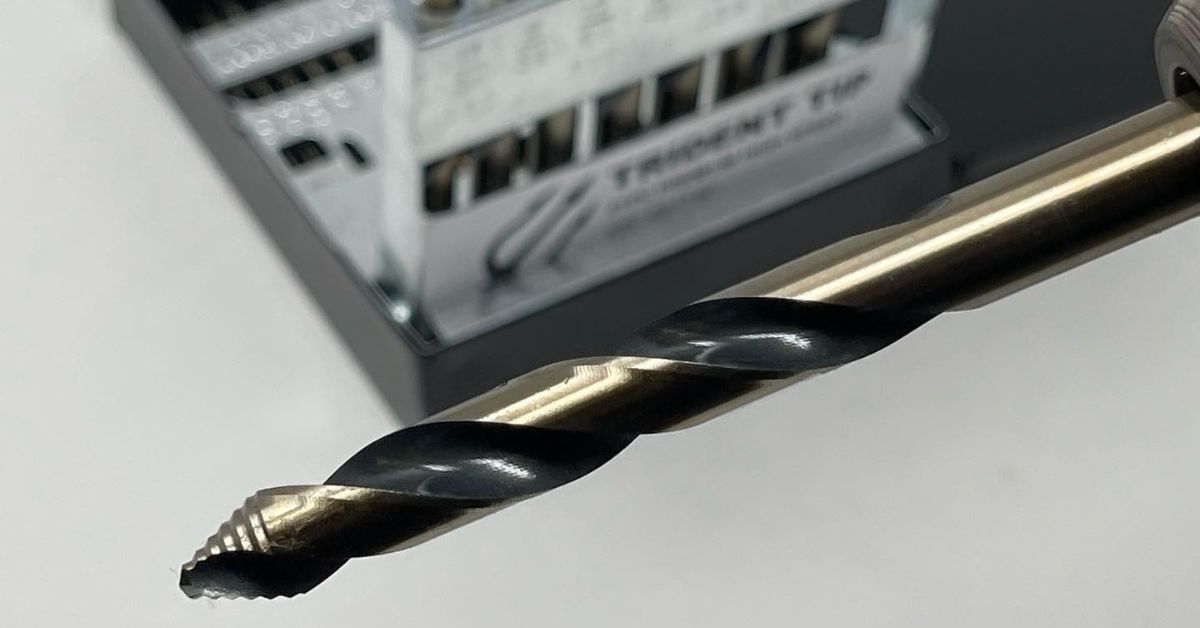
A penetrator drill bit for concrete and steel allows continuous drilling through concrete and embedded rebar without interruption. This design reduces downtime and keeps the operation efficient.
These bits feature advanced carbide heads and optimized flute geometry. As a result, they maintain cutting performance even when material density changes mid-drill.
Clearing Dust and Debris for Better Results
Concrete drilling generates fine dust that builds up quickly inside the hole. If debris remains trapped, it increases friction and slows progress.
Pull the bit out periodically to clear the hole. This step improves airflow and reduces heat buildup.
For best results:
- Remove debris during deeper drilling passes
- Avoid packing dust at the bottom of the hole
- Keep flutes clear for consistent chip evacuation
Clean conditions support faster drilling and more accurate holes.
Common Mistakes That Reduce Drilling Efficiency
Small errors can create larger problems when working with reinforced concrete. Identifying these mistakes helps you avoid unnecessary setbacks.
Watch for the following:
- Applying excessive force instead of steady pressure
- Starting the hole without proper alignment
- Ignoring changes in resistance when hitting rebar
- Allowing debris to accumulate inside the hole
- Using standard masonry bits for reinforced applications
Correcting these habits leads to smoother drilling and better overall performance.
Practical Techniques That Improve Consistency
Strong results come from repeatable habits. When you follow a consistent process, you reduce variability across different drilling conditions.
Incorporate these techniques into your workflow:
- Begin with controlled, steady entry
- Maintain consistent pressure throughout drilling
- Pause briefly when resistance increases
- Clear debris at regular intervals
- Monitor the bit condition and replace when needed
These habits support reliable performance across every project.
Building Better Results With the Right Process
Success in reinforced concrete drilling depends on technique, tool selection, and consistency. When you apply best practices for drilling into reinforced concrete, you gain better control over the process and reduce unnecessary wear.
Drill Bit Warehouse offers specialized tooling designed for demanding applications, including solutions built to handle both concrete and embedded steel. With the right approach and the right bit, you can complete drilling tasks more efficiently while maintaining high-quality results.