


Broken Water Pump Bolts & Exhaust Manifold Studs
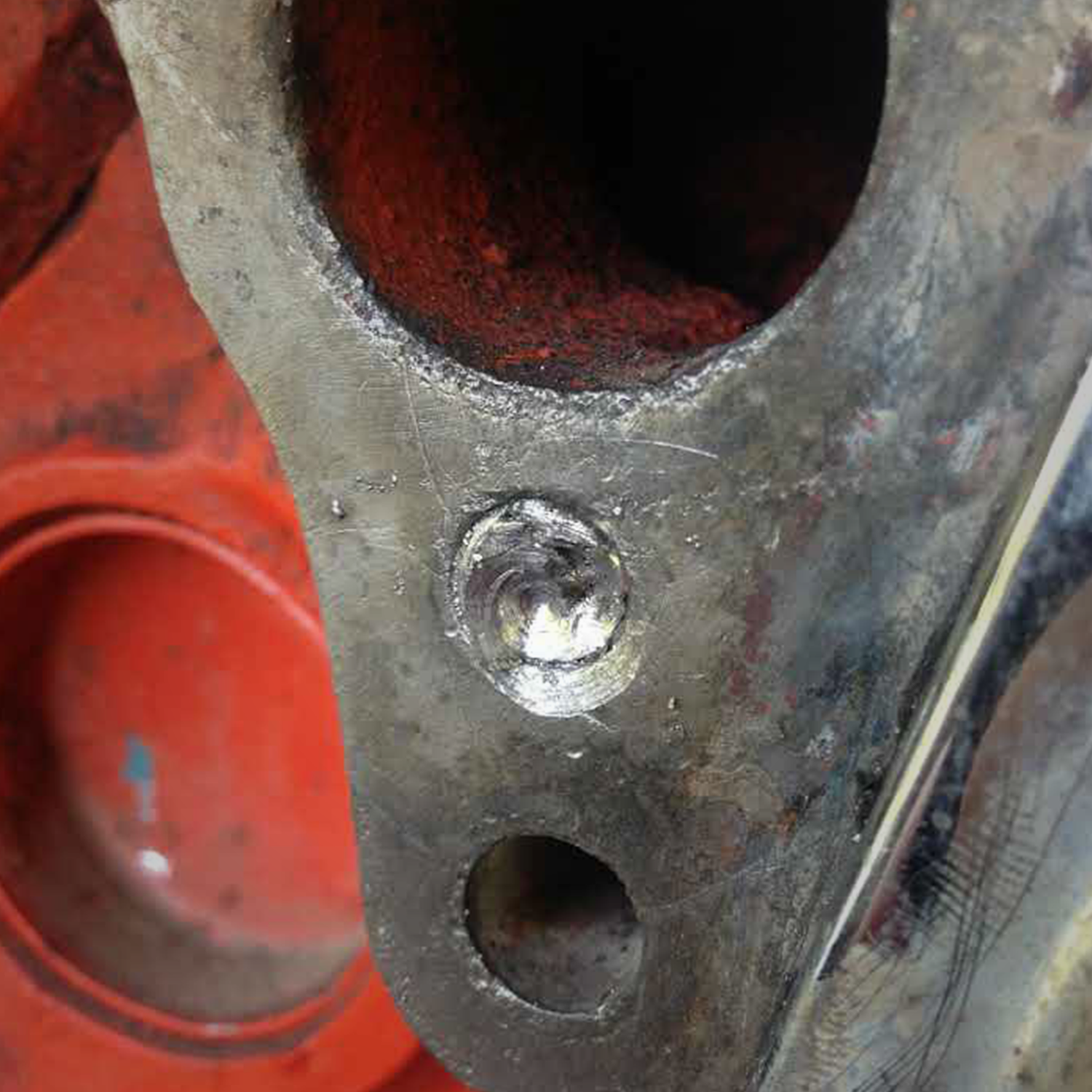
Broken Water Pump Bolts & Exhaust Manifold Studs
 2026-02-17T13:58:47-08:00
Best Options for Reliable Broken Bolt Removal
Broken bolts are one of the most common failures encountered during engine service. Water pump bolts snap during removal, exhaust manifold studs shear off after years of heat cycling, and corrosion locks fasteners in place long before a wrench ever touches them.
The key to removing broken bolts without damaging housings or threads is using the right method in the right order. This guide breaks down the most effective options used by professional shops when dealing with broken water pump bolts, exhaust manifold studs, and other seized fasteners.
Why Water Pump Bolts and Exhaust Studs Break
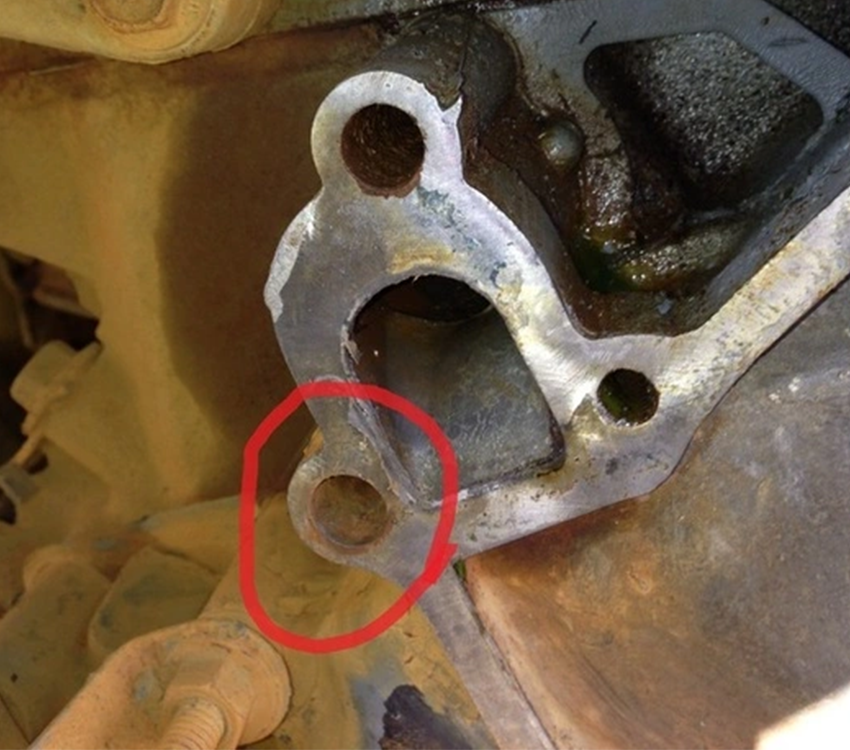
These fasteners fail for predictable reasons:
-
Steel bolts threaded into aluminum housings
-
Constant moisture and corrosion
-
Extreme heat cycling (especially exhaust components)
-
Over-torque during previous service
-
Long service intervals
Once a bolt breaks flush or below the surface, removal becomes a machining operation, not a mechanical one.
Step 1: Heat and Penetrating Oil (Always Start Here)
Before drilling or extracting:
-
Apply heat to the surrounding material, not the bolt
-
Allow it to cool slightly
-
Apply penetrating oil
-
Repeat the cycle
This expansion and contraction helps break corrosion bonds and reduces the chance of snapping the bolt deeper during removal.
Step 2: Left-Hand Drill Bits (First Cutting Option)
Left-hand drill bits are one of the most effective tools for broken bolt removal.
Why they work:
-
Drill in reverse, applying loosening torque
-
Many bolts back out during drilling
-
Less aggressive than extractors
A cobalt left-hand drill and extractor set is ideal for water pump bolts and general fastener removal because cobalt resists heat and holds an edge longer than standard HSS.
Best practice:
Use low RPM, firm pressure, and stay centered. Let the drill cut—forcing it increases breakage.
Step 3: Screw Extractors (Used Correctly)
If the bolt does not back out during left-hand drilling, a screw extractor is the next step.
Successful extraction depends on:
-
Correct pilot hole size
-
Proper extractor selection
-
Steady, controlled torque
A matched broken bolt removal set eliminates sizing guesswork and improves success rates. Spiral extractors work well when used with patience and proper hole prep.
Important:
If the extractor begins to twist excessively, stop. A broken extractor is extremely hard and difficult to drill.
Step 4: Carbide Drill Bits for Hardened Fasteners
Some bolts will not drill with HSS or cobalt, especially:
-
Exhaust manifold studs
-
Heat-cycled fasteners
-
Bolts damaged by failed removal attempts
In these cases, carbide drill bits are the correct tool.
Why Carbide Works
-
Cuts hardened and work-hardened steel
-
Maintains sharpness under extreme heat
-
Provides clean, controlled cutting
Straight-flute carbide drill bits are especially effective for broken bolts because they cut without pulling or grabbing, helping maintain hole accuracy.
Use slow RPM, rigid setup, and steady feed.
Step 5: Carbide Burrs (Problem-Solving Tools)
Carbide burrs are often overlooked but extremely useful during broken bolt removal.
They are ideal for:
-
Cleaning or correcting extractor holes
-
Relieving tension in seized bolts
-
Removing hardened material around broken studs
-
Fixing mistakes from failed extraction attempts
Carbide burrs allow controlled material removal without loading or grabbing, making them valuable when precision matters—especially near aluminum threads.
Step 6: Welding a Nut Onto the Bolt
When access allows, welding a nut onto a broken bolt is one of the most reliable removal methods available.
Benefits include:
-
Heat from welding breaks corrosion bonds
-
Provides a full hex for controlled torque
-
Frequently succeeds when drilling and extraction fail
This method is especially effective on exhaust manifold studs.
Step 7: Re-Tapping or Thread Inserts
Sometimes thread repair is the correct final step.
Use re-tapping or inserts when:
-
Threads are damaged or corroded
-
The bolt breaks deep in the bore
-
Housing integrity is critical
Drill straight, tap correctly, and install a thread insert to restore strength and reliability.
Recommended Tool Categories for Broken Bolt Removal
For consistent results, keep job-specific tooling on hand:
These tools are designed for real-world failures, not ideal conditions.
Broken water pump bolts and exhaust manifold studs don’t require luck—they require process and proper tooling.
Start with heat and penetrating oil.
Use left-hand drilling first.
Escalate to extractors carefully.
Bring in carbide when fasteners are hardened.
Repair threads when necessary.
Following this order saves time, protects engine components, and turns broken bolt removal into a controlled, repeatable operation.
Broken water pump bolts and exhaust manifold studs are never convenient, but they don’t have to turn into damaged housings or lost time. Using the right process—heat first, left-hand drilling, careful extraction, and carbide tools when needed—gives you the best chance of getting the fastener out cleanly.
And if you’re stuck or just want to make sure you’re using the right tool for the job, give us a call. We work with broken fastener removal every day and are happy to help point you in the right direction.
800-350-TOOL