
Choosing the Right Flute Design for Extra-Long Drill Bits
Choosing the Right Flute Design for Extra-Long Drill Bits
 2026-09-25T08:54:03-08:00
Extra-long drilling leaves less room for a poor match between the bit and the job. The farther a drill needs to work into or beyond a workpiece, the more attention its proportions deserve. Flute design ranks near the top of that evaluation because the fluted section does the cutting.
Choosing the right flute design for extra-long drill bits comes down to matching the bit with the hole you plan to make. Start with the workpiece, required drilling depth, and available access. From there, you can compare flute characteristics without choosing a bit based on total length alone.
Define the Job Before Comparing Bits
Start with the dimensions of the application rather than a particular drill. Measure the required hole diameter and determine how deep the cutting portion needs to travel.
Access can introduce another requirement. A drilling location inside a recessed area may call for extra length even when the hole itself doesn’t run particularly deep.
Writing down those measurements gives you a useful reference when comparing products. It also helps separate length that serves the cut from length that helps you reach the work.
Give Flute Length a Clear Purpose
Extra-long bits come in different proportions, which makes flute length worth checking on its own. The longest option on the page won’t automatically provide the best match for every extended drilling application.
Consider how much of the bit will enter the material during the cut. The fluted section should match the depth the job requires, rather than adding length without a clear purpose.
Compare the Measurements That Matter
When reviewing an extra-long bit, focus on the specifications that relate directly to your application:
- Required hole diameter
- Depth of the finished hole
- Available flute length
- Total reach required for access
These measurements give you a straightforward way to narrow the selection. You can eliminate options that fall short of the application without assuming that greater length always provides an advantage.
Consider the Material Coming Out of the Hole
Drilling removes material continuously as the cutting edges advance. That removed material occupies space along the fluted portion before it exits the hole.
The workpiece affects what the drill needs to manage. Metal type, hole depth, and drill diameter can change the amount and form of material produced during the cut.
For that reason, don’t evaluate flute design from a product photo alone. Consider what you’re drilling and how far the bit needs to cut before comparing flute proportions.
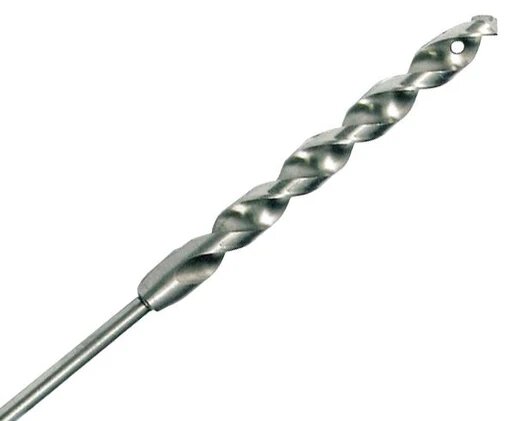
Look at Flute Proportions, Not One Feature
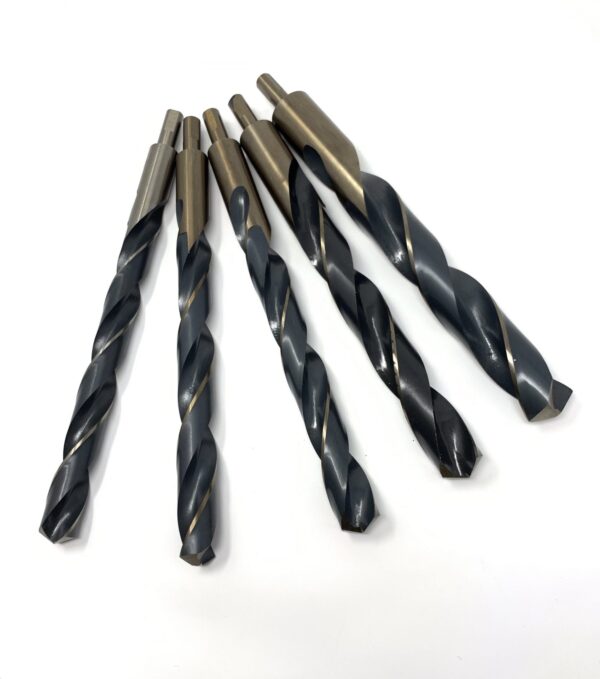
It’s tempting to focus on a single visible feature, such as a large flute. Drill geometry doesn’t work that way. Changing the grooves also changes the proportions of the remaining drill body.
An extra-long drill has to carry its geometry across a greater distance than a standard-length option. Diameter also enters the equation because a narrow drill has different physical proportions than a larger one.
Compare the flute with the rest of the bit rather than treating maximum flute space as the goal. The appropriate design depends on the dimensions of the drill and the work you expect it to perform.
Use Helix Geometry as a Comparison Point
The spiral of the flutes gives another way to compare drills that otherwise appear similar. Helix geometry influences the route the removed material follows along the cutting section.
You don’t need to select a bit from helix angle alone. Treat it as one part of the design and consider it alongside flute length, diameter, and the material you’re cutting.
If a manufacturer provides helix information, use it to understand how two similar-looking options differ. When that information isn’t available, avoid assigning a specific helix angle based on appearance.
Factor in Drill Diameter
Diameter affects much more than finished hole size when you’re working with extra-long drills. As the diameter gets smaller, the drill body proportions change as well.
This makes it useful to compare flute design within the size you actually need. A flute configuration on a larger bit doesn’t provide a direct model for what you should expect from a smaller diameter.
Select the required hole size first. Once you establish the diameter, compare the flute characteristics available within that size range. This keeps the application at the center of the decision.
Choose HSS or Cobalt Based on the Work
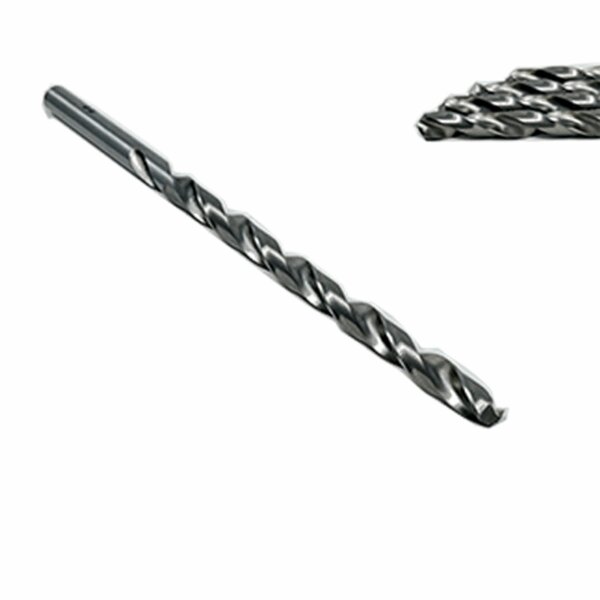
Flute design can’t replace the need to choose the right drill material. Drill Bit Warehouse carries long drills in high-speed steel and cobalt, giving metalworkers options for different applications.
Treat material and geometry as separate decisions. First identify which drill material fits the metal and application. After narrowing that choice, compare available flute lengths and dimensions.
This sequence makes product comparison easier because you aren’t asking one specification to answer every part of the job.
Match Extra Length to the Application
Extra length should solve a specific access or drilling requirement. Drill Bit Warehouse carries aircraft drill bits among its selection of long drilling tools, with HSS and cobalt represented in the category.
Review the dimensions available within the size and material you need. An application may require added length because the work sits farther from the drilling position, while another job may place greater emphasis on the fluted section.
Matching the dimensions to the actual work gives you a clearer reason for selecting one extra-long option over another.
Make Flute Design Part of the Buying Decision
An extra-long bit should fit the hole before it fits a general category. Start with the required diameter and drilling depth, and account for any access limitations around the workpiece. Those requirements give you a useful baseline for comparing the available designs.
When choosing a flute design for extra-long drill bits, evaluate the fluted section in relation to the bit’s diameter and intended application. Compare the available dimensions rather than relying on total length as the deciding factor.
Drill Bit Warehouse offers long drilling options for metalworking applications in HSS and cobalt. Check the product specifications for the size you need, or contact Drill Bit Warehouse for help narrowing the available options for your application.