


Common Construction Applications of Extra-Long Drill Bits
Common Construction Applications of Extra-Long Drill Bits
 2025-12-29T11:52:40-08:00
Every contractor experiences that sinking feeling of falling short. You aim, pull the trigger, and the chuck contacts the material before the tip breaks through. Standard jobber-length bits are suitable for most daily tasks, but certain situations require a longer reach that standard tools can’t provide. Whether you’re working on a commercial retrofit, installing electrical wiring in an older house, or drilling through reinforced concrete, having the correct length is crucial.
Understanding the typical construction applications of extra-long drill bits helps you stock your toolbox effectively. You save time and money by having the right reach for the job immediately. We will examine where these specialized tools shine and how they keep projects moving forward.
Reaching Through Structural Steel assemblies
Commercial construction often involves bolting steel plates and beams together, sometimes requiring drilling through multiple metal layers. Standard bits typically penetrate only the first layer, so aircraft extension bits are essential.
Designed for aerospace applications to reach deep fuselage cavities, these bits, with long shanks and shorter flutes, enable access to recessed areas or drilling through thick assemblies. They enable drilling around obstructions such as pipes or conduits by positioning the drill motor away from the workpiece while maintaining pressure.
M2 HSS vs. Cobalt for Deep Metal Drilling
When drilling deep holes in metal, heat builds up quickly. Friction at the cutting edges generates high temperatures, especially in deep holes where coolant cannot reach the tip.
- M2 High-Speed Steel (HSS): These work well for softer steels and general aluminum work. They offer flexibility, which helps when using a hand drill. A slight bend in the bit won’t snap it immediately.
- Cobalt: For harder stainless steel or hardened structural alloys, cobalt creates a better result. It withstands higher temperatures without losing its cutting edge. However, cobalt is brittle. You must hold the drill steady to prevent the bit from snapping deep into the hole.
Electrical Retrofitting and Wire Fishing
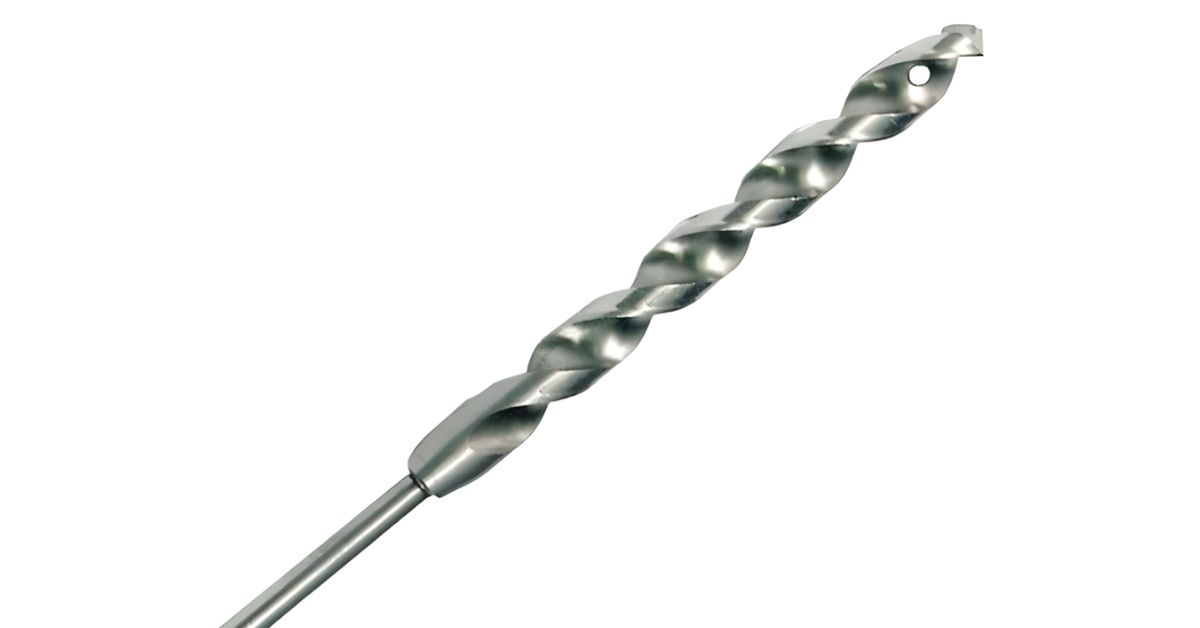
Electricians face challenges when updating wiring in existing structures, navigating within walls, headers, and fire blocks, which requires a specialized long bell hanger bit. This bit has a hole near the tip or flute, allowing you to thread and pull wire through studs or joists efficiently, saving time.
Navigating Fire Blocks
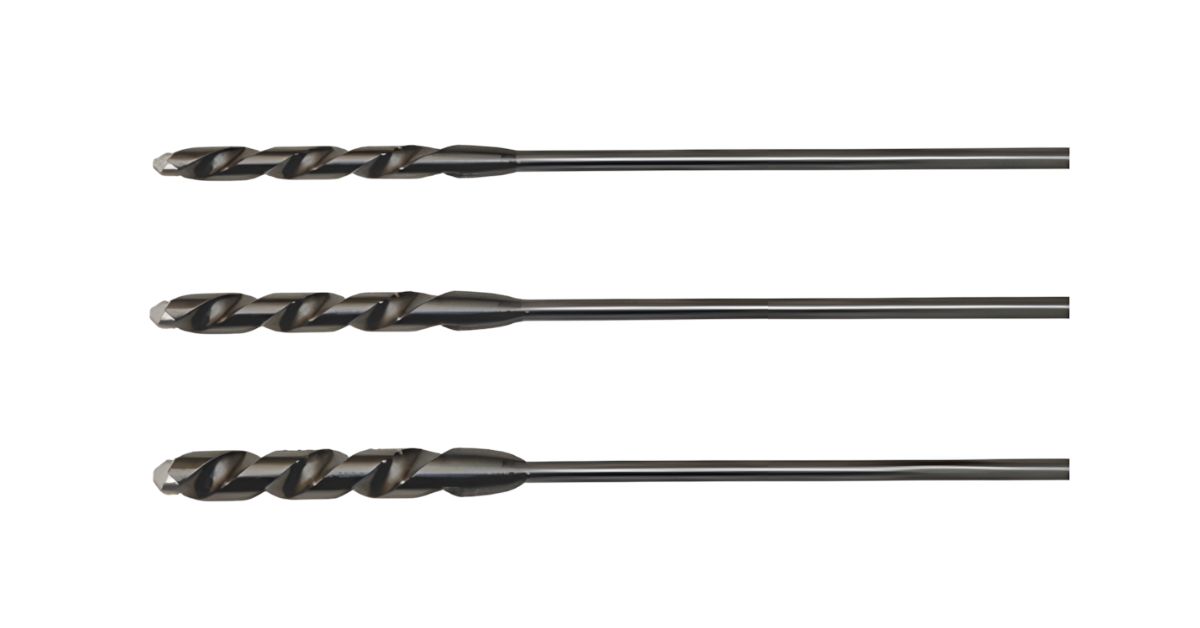
Fire blocks are horizontal pieces of wood between vertical studs. They stop fire from drafting up a wall, but they also stop electricians from pushing wires down. A flexible shaft drill bit, sometimes 54 to 72 inches long, solves this.
You can flex the shaft to guide the bit down the wall cavity, drill through the fire block, and continue fishing the wire. While flexibility helps here, you need a steady hand to guide the tip.
HVAC and Plumbing Pass-Throughs
Plumbers and HVAC technicians often work with large-diameter lines such as copper, PEX, or gas lines that require significant clearance, especially when passing through floor joists or exterior walls. Standard spade bits or hole saw extensions often lack control or depth.
While augers and long spade bits cut wood quickly, exterior walls of brick, stucco, or siding require a masonry bit with greater reach. Drilling from inside with a long masonry bit helps locate the exit point, and then drilling from outside with a larger hole saw completes the process. This prevents siding blowout and keeps the home looking pristine.
Concrete Work with Embedded Rebar
One of the toughest challenges in construction involves drilling through reinforced concrete. You start making progress, and suddenly the bit stops dead. You hit rebar. Pushing harder on a standard masonry bit usually burns up the tip or snaps the head.
You need a tool built for this exact conflict. Solid cross-head bits, often called penetrators, eat through concrete and the steel reinforcement within it. These bits use a solid carbide tip geometry that resists snagging on the steel.
The Advantage of the Penetrator
Using a penetrator bit prevents hole wandering, especially after hitting metal at a depth of three inches. Moving the hole requires patching and starting over, wasting time and harming the concrete’s look. These bits, often SDS-Plus compatible, fit rotary hammers, turning a major problem into a minor delay thanks to their carbide tips.
Chip Evacuation in Deep Holes
Drilling a deep hole presents a physics problem: where does the waste go? As the bit cuts, it produces chips or dust. In a shallow hole, the flutes (spiral grooves) readily carry this material to the surface. In a hole that is 12, 18, or 24 inches deep, friction packs the chips into the flutes.
If the flutes clog, the bit binds. Heat spikes, and the bit might snap. When using extra-long bits, you must use a “peck drilling” technique.
- Drill forward a few inches.
- Pull the bit back partially or entirely out of the hole.
- Let the spinning action clear the flutes.
- Re-insert and continue drilling.
This mechanical clearing keeps the cutting path cool and prevents the bit from jamming. For metal drilling, applying a cutting fluid such as Ultra Lube helps chips slide up the flutes more easily.
Managing Runout and Whip
The longer the bit, the more it wobbles, known as “runout” or “whip.” Spinning a 24-inch bit at full speed without support causes the end to whip in a wide circle, posing a safety risk and causing damage.
Always start a long bit slowly. If possible, drill a pilot hole with a shorter, standard bit of the same diameter. This guides the long bit straight. After engaging the tip, you can increase RPM.
Why Material Quality Counts
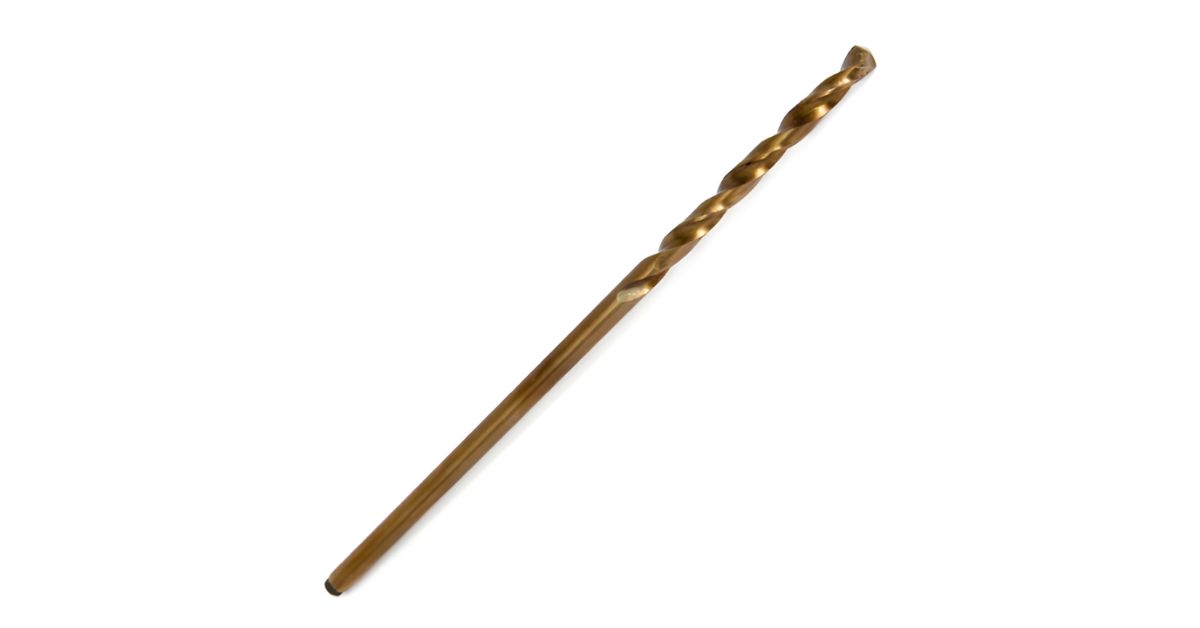
Low-quality steel dulls quickly but is rarely dangerous. An 18-inch or 24-inch bit faces high torque and stress. Cheap bits can shatter deep inside walls or beams, making extraction laborious. High-quality steel and carbide tips resist torsional stress, stay straight, and cut well under heat. Though costlier initially, they ensure durability, justifying the investment.
Specialized Maintenance for Long Bits
You can’t just toss an 18-inch precision tool into a bucket with wrenches and hammers, as the long shaft bends under heavy impact, causing vibrations that make the bit unusable. Store these bits in tubes or hang vertically on a pegboard, keeping the flutes debris-free.
When drilling green wood or sticky materials, wipe the bit with oil to prevent rust and reduce friction. Sharpening long bits is similar to short bits but requires a steady rest to support the tip while grinding.
Choosing the Correct Tool for the Project
Construction projects often encounter unexpected obstacles, requiring versatile tools such as long drill bits. Whether passing a gas line through brick, running data cables through fire-rated walls, or assembling steel chassis, having reach ensures you’re prepared for surprises.
Always match the bit material to the workpiece. Use HSS or Cobalt for metal, specialized wood augers, and carbide penetrators for reinforced concrete. Respect the tool’s physics by managing heat and chip evacuation.
Using the correct extended-length tooling transforms a difficult, knuckle-busting task into a straightforward process. Understanding these typical construction applications of extra-long drill bits will help you get clean holes, straight runs, and professional results.
If your current project requires reach that your standard index cannot provide, consider high-quality extra-long drill bits to bridge the gap. At Drill Bit Warehouse, we offer the industrial-grade tooling you need to finish the job right.