


Comparing Carbide Drill Bits vs. Solid Carbide End Mills
Comparing Carbide Drill Bits vs. Solid Carbide End Mills
 2026-03-25T11:13:46-08:00
Choosing the right cutting tool affects accuracy, cycle time, and overall production cost. Many professionals start by comparing carbide drill bits and solid carbide end mills because both tools feature solid carbide construction and are used in demanding metalworking applications. While they share material strength and durability, they perform very different jobs on the shop floor.
If you manage procurement, oversee machining operations, or handle fabrication work directly, understanding these differences helps you avoid premature wear and inconsistent results.
Rather than seeing these tools as just interchangeable options, take a moment to consider how each one works best with the material and the machine you’re using. When you compare them thoughtfully, you’ll feel more confident in choosing the right tool for each task.
Primary Function: Hole Creation Vs. Material Shaping
The most important distinction lies in purpose. Carbide drill bits specialize in producing round, accurate holes. They travel straight into the material along a vertical axis, cutting at the tip and evacuating chips through spiral flutes. When your project requires a consistent hole diameter and controlled depth, a drill bit delivers efficiency and repeatability.
Solid carbide end mills, on the other hand, remove material across multiple directions. They slot, profile, contour, and machine pockets using both side cutting and axial engagement. Instead of creating a single cylindrical opening, they shape features with controlled lateral movement.
When you need clean, repeatable holes, a drill bit directly supports that objective. When you need to shape geometry or machine complex features, an end mill gives you the versatility to do it.
Geometry Differences That Influence Cutting Behavior
Tool geometry determines how force transfers into the material.
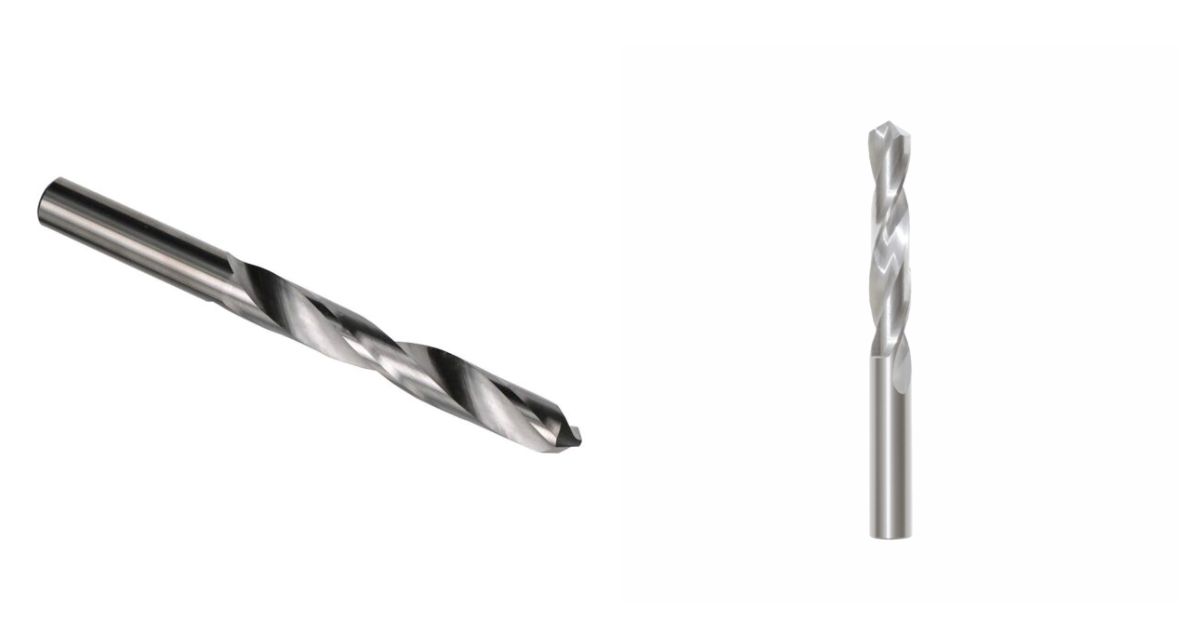
Carbide drill bits have a pointed tip, usually between 118° and 140°, depending on the material and purpose. The chisel point begins penetration, and the cutting lips shear away material as the drill advances. The flute design helps with effective chip removal, especially in deep holes where clogging could lead to heat buildup.
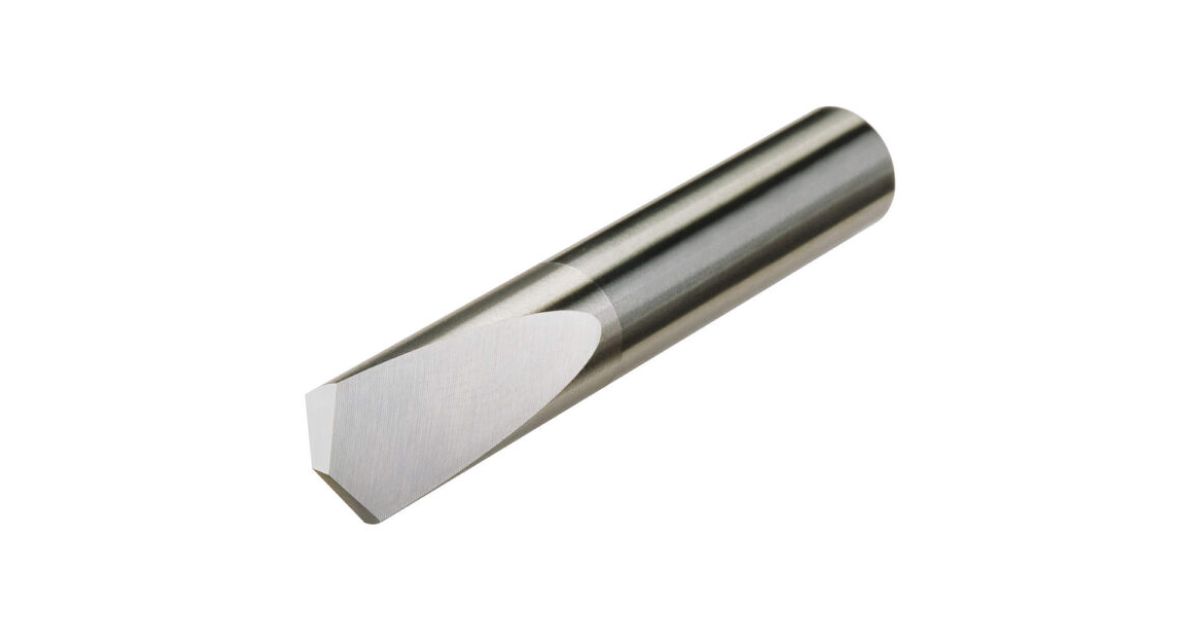
Solid carbide end mills feature tips that are flat, ball-shaped, or have a corner radius, with multiple flutes along their length. Two-flute end mills improve chip evacuation during slotting, while four-flute versions offer greater rigidity and produce smoother finishes in harder alloys. Since the cutting edges run along the sides, the tool removes material both radially and axially.
These structural differences explain why drill bits focus cutting force at the tip, while end mills distribute it along the flute; each design targets a specific machining challenge.
Material Compatibility And Cutting Strength
Both tools handle hardened steel, stainless steel, cast iron, and high-performance alloys. The difference lies in how they engage those materials under load.
Carbide drill bits focus cutting energy at the center point, which allows steady penetration into dense substrates. In production drilling, this concentrated force supports consistent hole geometry without excessive deflection. Shops that drill high volumes of hardened components rely on carbide for rigidity and heat resistance.
Solid carbide end mills spread the cutting load across multiple edges. That distribution supports stable side cutting and reduces chatter during contouring or slotting. When machining pockets or precision features in hardened materials, end mills maintain dimensional control and surface finish quality.
Instead of viewing one tool as stronger than the other, consider how the cutting force applies to your specific operation. Matching the engagement style to the material behavior yields better results.
Heat Control, Speed, And Tool Longevity
Heat management is crucial for carbide performance. Drill bits generate heat due to confined space operation. Proper feed rates and coolant help clear chips and reduce friction. Carbide allows higher cutting speeds than high-speed steel, boosting productivity and edge stability.
End mills experience heat along both the tip and sidewalls during cutting. Chip evacuation becomes critical, especially in slotting operations, where chips can recut and raise the temperature. Flute count, coating, and depth of cut influence how efficiently the tool manages heat and maintains edge integrity.
When evaluating tool life, review these factors carefully:
- Material hardness and toughness
- Speed and feed consistency
- Depth and width of cut
- Coolant strategy
- Machine rigidity and stability
Consistent setup and correct parameters extend the lifespan of both tools and protect your investment.
Precision, Tolerances, And Surface Finish
Tolerance requirements often influence tool choice more than material type. Carbide drill bits deliver predictable hole diameters when properly aligned and fed, supporting consistent results in high-volume production. Buyers prioritize this consistency to meet strict quality standards.
Solid carbide end mills offer greater flexibility in control, allowing CNC programming to fine-tune slot widths, pockets, and finishes. For precise hole diameter with minimal variation, drill bits excel; for shaping and finishing, end mills are more versatile.
Workflow Efficiency In Real-World Applications
In most metalworking environments, you will not choose one tool exclusively. You will integrate both into a coordinated machining process.
A typical workflow might begin with carbide drill bits to establish mounting holes or pilot openings. After drilling, solid carbide end mills machine slots, contours, or finishing passes around those features. Each tool performs a defined role within the larger production sequence.
When professionals evaluate carbide drill bits versus solid carbide end mills, they often look for clarity regarding their efficiency and overlap. The key is to recognize that these tools are complementary, not competing. By assigning each tool to the operation it performs best, you can reduce tool wear, preserve accuracy, and shorten total cycle times.
Cost Considerations And Long-Term Value
Tool pricing influences decisions, but it should not drive them alone.
Carbide drill bits generally have a lower upfront cost than solid carbide end mills of similar size. Because they perform a focused task, they deliver strong value in high-volume drilling applications. Cost per hole often becomes predictable and manageable over time.
Solid carbide end mills require a higher initial investment due to their geometry and versatility. However, a single end mill can perform multiple operations in a single setup, reducing changeovers and increasing machining flexibility. Over extended production runs, that versatility can offset the higher purchase price.
Evaluate total value based on:
- Expected tool life
- Frequency of use
- Production volume
- Scrap reduction
- Setup and changeover efficiency
Looking beyond unit cost helps you protect profitability across the full machining cycle.
Choosing The Right Tool For Your Operation
Clear objectives streamline tool choice. For straight, tight-tolerance holes, carbide drill bits are ideal. For slotting, contouring, or shaping complex features, solid carbide end mills offer needed flexibility and precision.
Consider material hardness, machine capability, and production scale before making a final decision. When you align tool geometry with cutting demands, you improve consistency and reduce unexpected downtime.
Make A Confident Tooling Investment
Both carbide drill bits and solid carbide end mills serve critical roles in precision metal cutting. Each tool supports different cutting forces, geometries, and workflow strategies. Understanding these distinctions allows you to invest wisely and maintain production efficiency.
If your work demands reliable hole production in demanding alloys, especially when selecting carbide drill bits for hardened steel, choose tooling that delivers consistent performance under pressure. Drill Bit Warehouse supplies industrial-grade carbide solutions backed by knowledgeable support and fast shipping.
Explore available carbide options online or contact Drill Bit Warehouse directly to discuss your application. A focused conversation helps you select the right tool and keep your operation running smoothly.