


Comparing High-Speed vs. Standard Steel Drill Bits
Comparing High-Speed vs. Standard Steel Drill Bits
 2026-09-10T10:32:51-08:00
[BANNER]
The steel behind a drill bit affects how well its cutting edge handles heat and repeated contact with the workpiece. That difference matters once drilling moves beyond light-duty work. Comparing high-speed and standard steel drill bits gives you a clearer way to match the bit material with the demands of the job.
For this comparison, standard steel refers to basic carbon-steel drill bits rather than a specific industry grade. High-speed steel, commonly called HSS, belongs to a family of tool steels developed for cutting applications.
Knowing where each material performs well can help you choose a bit without paying for capabilities your work doesn’t require.
How High-Speed Steel Differs From Carbon Steel
Carbon-steel drill bits use a relatively simple steel composition. They can provide enough hardness for lighter drilling where the cutting edge doesn’t face sustained heat. As temperatures rise, however, carbon steel can lose hardness sooner.
High-speed steel handles higher cutting temperatures while maintaining its hardness better. Manufacturers achieve those properties through alloy composition and heat treatment designed for cutting tools.
That heat resistance gives HSS an advantage during many metal-drilling applications. The bit can continue cutting under conditions that place greater thermal stress on basic carbon steel.
Heat Resistance Matters at the Cutting Edge
Drilling creates friction where the cutting edges meet the workpiece. As the bit removes material, heat develops at that contact point.
Excessive heat can soften a cutting edge and accelerate wear. Carbon steel reaches its temperature limits sooner, making it better suited to less demanding work.
HSS drill bits tolerate higher cutting temperatures and can maintain useful hardness under tougher drilling conditions. This makes HSS a common choice for metal, especially when a job requires repeated holes.
Heat resistance still has limits. Running a bit too fast for the material can shorten its service life regardless of the steel grade.
HSS Supports More Demanding Metal Drilling
The workpiece should guide drill-bit selection. Softer materials generally place less stress on the cutting edge, while harder metals can generate greater resistance and heat.
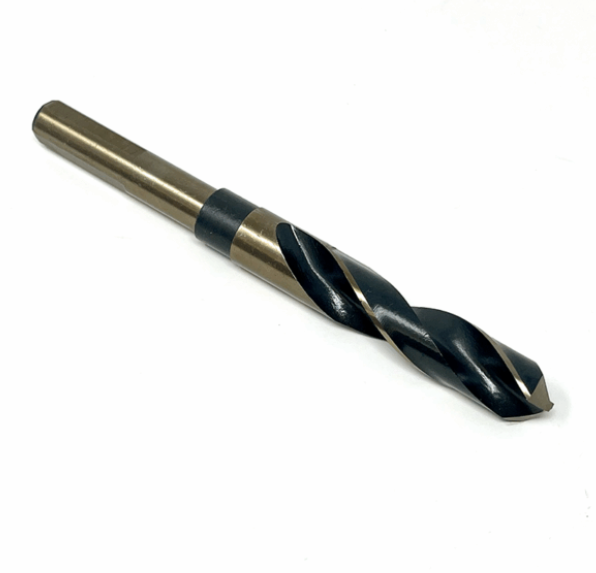
Premium M2 HSS bits can handle common metalworking applications that would place greater demands on basic carbon steel. Drill Bit Warehouse offers M2 high-speed steel jobber bits for materials that include steel and aluminum.
HSS also makes sense when drilling forms a regular part of the workload. Its ability to retain cutting hardness under heat gives it an advantage when a bit will see repeated use rather than an occasional light-duty hole.
Carbon steel remains useful when the material and drilling conditions stay within its limits. Choosing between the two comes down to what the bit will encounter during the cut.
Cutting Speed Still Depends on the Material
“High-speed” doesn’t mean an HSS drill bit should always run fast. The name describes the steel’s ability to maintain cutting properties at elevated temperatures.
Actual drilling speed depends heavily on the workpiece. Softer metals may permit a higher cutting speed, while tougher materials generally require slower operation. Drill diameter also affects the appropriate spindle speed.
Check the Drilling Conditions Before Setting Speed
Before drilling, consider how the workpiece and hole will affect the cutting edge:
- Identify the material and its approximate hardness.
- Match the speed to the drill diameter.
- Reduce speed when conditions create excessive heat.
- Adjust for deeper holes that make chip removal harder.
Correct speed helps the cutting edges work efficiently without creating unnecessary heat. Pushing a bit faster than the material allows can work against the heat resistance that makes HSS useful in the first place.
Point Design Also Influences Performance
Steel grade doesn’t determine drill performance on its own. Point geometry affects how the drill starts the hole and engages the workpiece.
Drill Bit Warehouse’s premium M2 HSS jobber bits use a 135-degree split point. The split point helps the bit start quickly and reduces its tendency to walk across the surface. That control can prove useful when drilling metal where accurate hole placement matters.
Carbon-steel drill bits can come with different point geometries. Buyers should check the point design alongside the steel type rather than assuming two bits will cut alike because their diameters match.
A well-matched point geometry can improve hole start. The steel behind that geometry determines how well the cutting edge handles the conditions that follow.
Tool Life Depends on Drilling Conditions
Material choice can influence how long a drill bit holds its edge, yet operating conditions also play a major role.
A carbon-steel bit may provide reasonable service when it occasionally drills softer material. Under those conditions, the bit may never encounter enough heat to make HSS necessary.
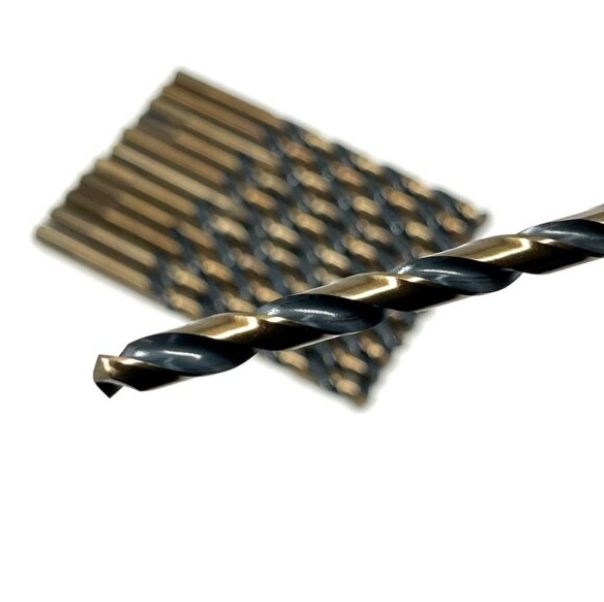
Frequent metal drilling puts different demands on the cutting edge. HSS can offer better resistance to the heat that develops during sustained cutting. That can help the bit maintain useful cutting performance longer when the operator follows suitable drilling parameters.
A dull bit shouldn’t stay in service simply because it uses HSS. Increased cutting pressure or poor chip formation can signal that the edge needs attention.
When Does Carbon Steel Make Sense?
HSS offers valuable performance properties, but not every drilling job calls for them. Carbon steel can remain a sensible choice when the application stays light.
Consider carbon steel when:
- You’re drilling softer material under low-heat conditions.
- The bit will see occasional rather than frequent use.
- The job places limited demand on edge retention.
- The application doesn’t require the heat resistance associated with HSS.
Cost also matters when choosing tooling. A less expensive bit can provide good value when its capabilities match the work. Spending more on a higher-performance material makes greater sense when the application can use those properties.
Choosing Between High-Speed and Standard Steel
When comparing high-speed steel with standard steel drill bits, start with the workpiece rather than the price tag. Carbon steel can handle lighter drilling, while HSS gives the cutting edge greater heat resistance during demanding work.
Consider how often you’ll drill and how much heat the application will generate. The drill diameter and point geometry can further narrow your choice. Looking at those conditions gives you a stronger basis for selecting a bit that fits the work.
Drill Bit Warehouse carries premium M2 high-speed steel drill bits in fractional, letter, and number sizes, with several lengths available for different drilling requirements. If you need help choosing a drill bit for a particular metal or application, contact Drill Bit Warehouse and talk through the job with their team.