


Comparing Step Drill Bits vs. Twist Drill Bits
Comparing Step Drill Bits vs. Twist Drill Bits
 2025-08-04T14:53:46-08:00
Understanding the differences between step drill bits and twist drill bits is essential for professionals and DIY enthusiasts. Each type has unique features, strengths, and ideal applications, making them invaluable tools under specific circumstances. This comparison between step drill bits versus twist drill bits will help you decide which to choose for your next project.
The Basics of Step Drill Bits
Step drill bits are easily recognized by their tapered design with multiple levels or “steps” along the tool’s body. Each step is designed to drill progressively larger holes without requiring a bit change. When using a step drill bit, cutting begins at the smallest diameter and progresses to the desired diameter.
Typically made from high-speed steel (HSS) or cobalt alloy, step drill bits are often coated with titanium nitride for durability. These are especially efficient when drilling thin materials, such as sheet metal, PVC, or plastic, as they can efficiently enlarge holes without producing jagged edges or rough surfaces.
What Are Twist Drill Bits?
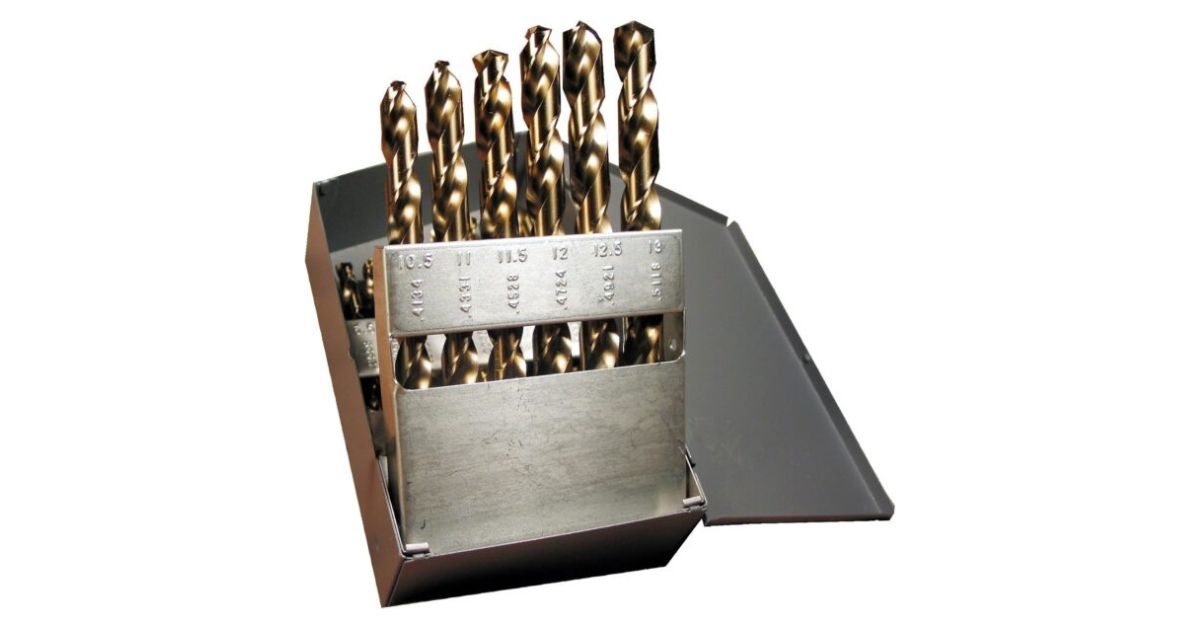
Twist drill bits, the most common type of drill bits, are versatile and widely used across various materials, including wood, metal, and plastic. Characterized by their spiraled flutes that extend the length of the bit, twist drills are adept at removing material as they create a hole.
These tools are typically crafted from materials like carbon steel, HSS, or cobalt. A variety of coatings, such as black oxide or titanium, enhance their toughness and improve their durability. Available in a wide range of sizes, twist drill bits cater to diverse drilling needs, from precision tasks to larger structural projects.
Key Features of Step Drill Bits
Step drill bits have the unique ability to drill multiple hole sizes in a single operation. Each step corresponds to a specific diameter, enabling seamless transitions during drilling. This makes them particularly well-suited for repetitive tasks in manufacturing and construction settings.
One distinct advantage of step drill bits is their ability to deburr as they drill. This feature eliminates the need for separate finishing processes, saving time and effort on projects requiring smooth, clean edges. For professionals working with electrical panels, ductwork, or thin-gauge metals, step drill bits are an unmatched asset.
Strengths of Twist Drill Bits
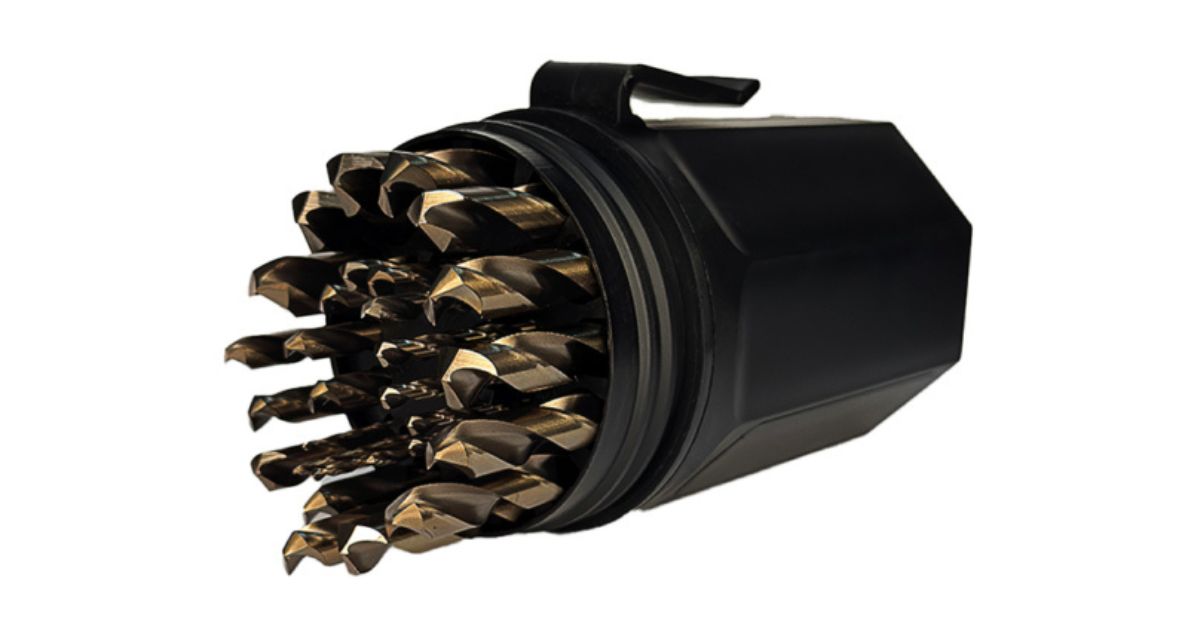
Twist drill bits excel in versatility and precision. Their design enables efficient material removal, making them the preferred option for tasks that require clean holes with consistent depth. Twist bits are particularly effective on thick materials where precision and penetration are critical. If your project demands deep and consistent drilling, twist drill bits are indispensable, whether you’re crafting wooden furniture or working on industrial steel components.
Where Step Drill Bits Excel
Step drill bits find their niche in applications that involve thin materials. They excel in areas where multiple hole sizes are required, or materials require minimal distortion during drilling. Their tapered design eliminates the need for frequent bit changes, enhancing efficiency and reducing downtime.
Electricians and HVAC installers frequently use step drill bits for tasks such as installing conduits or enlarging pre-existing holes in thin metal surfaces. Their ability to create burr-free holes also aligns perfectly with industries where aesthetic and structural integrity are essential.
Preferred Use Cases for Twist Drill Bits
Twist drill bits are ubiquitous in construction, woodworking, and manufacturing due to their unmatched versatility. They perform exceptionally well in creating deep and precise holes in thicker materials where surface smoothness is crucial.
Twist bits offer a reliable solution for drilling a wide range of materials, including hardened metals and dense woods. If your project requires accurate hole alignment and depth control, a twist drill bit is often the better choice.
Durability and Longevity
When pitted against each other in terms of durability, step drill bits tend to outlast twist drill bits in specific applications. Their design minimizes excessive wear and tear by spreading the cutting workload across multiple steps.
However, twist drill bits remain highly durable when used correctly and with the right materials. Coated twist drill bits, such as those treated with black oxide, offer resistance to heat and corrosion, thereby extending their lifespan. Both types require proper maintenance, such as regular sharpening and cleaning, to maximize their longevity.
Material Compatibility
Step drill bits are primarily designed for thin materials. They work exceptionally well on sheet metals, laminates, and softer materials, such as PVC. Their inability to handle thicker materials may be a limitation, but they compensate for it with precision and efficiency in their specialized applications.
Twist drill bits, on the other hand, are highly adaptable. Whether you’re tackling concrete, wood, or even metals as hard as stainless steel, twist bits can get the job done. Advanced options, such as an M42 drill bit set, provide greater heat resistance and longer cutting life on durable materials. Selecting the correct drill bit material and coating is crucial for achieving optimal results.
Speed and Efficiency
Time plays a crucial role in both professional and DIY projects, and the speed of your tools can significantly impact the process. Step drill bits are known for their efficiency in drilling multiple sizes with a single tool. This feature can dramatically accelerate projects where material thickness is consistent and a range of hole sizes is required.
Twist drill bits, meanwhile, can be faster for single-diameter holes, especially when working on challenging materials like reinforced concrete or hardwood. Their spiraled flutes are designed to remove debris efficiently, which helps keep the drilling process smooth and uninterrupted.
Precision and Accuracy
Precision is another factor where twist drill bits excel. Their spiraled design ensures clean and consistent hole depths, making them ideal for tasks that require exact alignments. Woodworkers and machinists often rely on twist drill bits for this reason.
Step drill bits, while precise in their own right, cater more to applications where flexibility and quick size transitions are valuable. Their stepped increments are ideal for creating uniform holes in lightweight materials but may lack the pinpoint accuracy required for detailed operations on thicker surfaces.
Cost and Accessibility
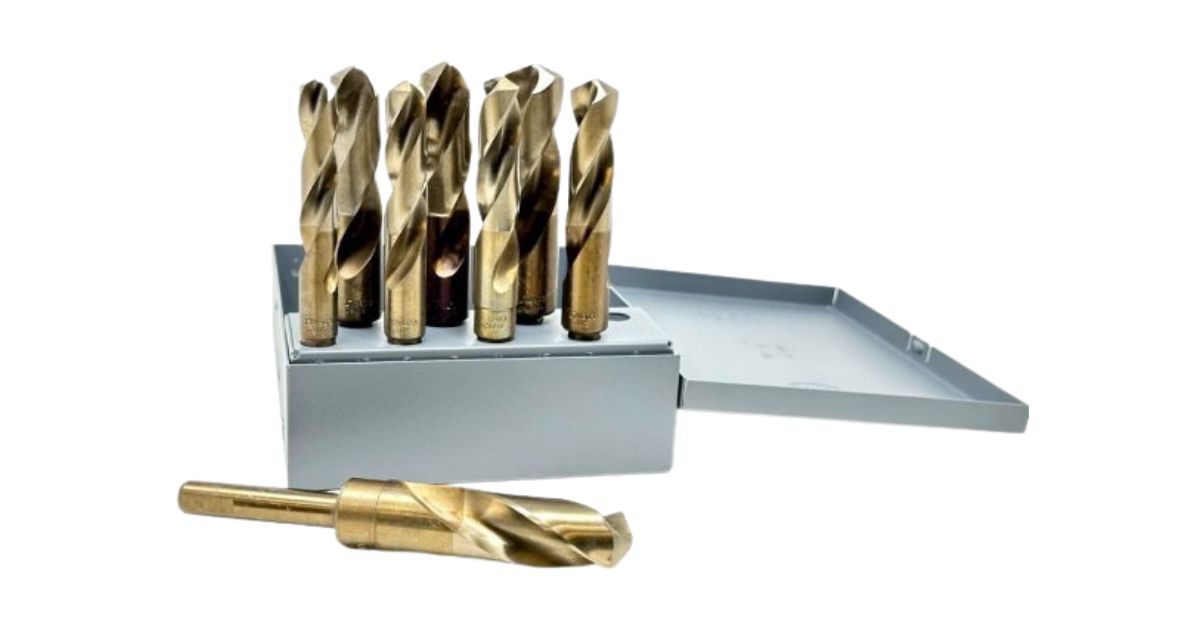
Cost is always a consideration when selecting tools. Step drill bits, given their multi-size capabilities, may initially seem more expensive. However, they can offer better value in situations where their unique features are necessary. Investing in high-quality step bits with durable coatings means fewer replacements over time.
Twist drill bits are typically more affordable and widely accessible. Available in various materials and coatings, they cater to budgets of all sizes. For general-purpose tasks, a basic twist bit set should suffice; however, premium options offer enhanced performance for specialized needs.
Which One Should You Choose?
The choice between step drill bits and twist drill bits ultimately depends on your project. If you’re working on thin materials and need multiple hole sizes without switching bits, a step drill bit will streamline your workflow. Their versatility in deburring and smooth finishes makes them a top choice for electricians and HVAC professionals.
However, if your project involves thick materials or requires precise, deep hole drilling, twist drill bits are indispensable. Their ability to cut through tough surfaces and a range of materials makes them the preferred option for general construction and manufacturing tasks.
The Final Word on Drill Bits
Understanding the differences between step drill bits and twist drill bits allows you to select the most effective tool for your task. Don’t hesitate to invest in both types of bits if your projects demand various tasks. Our drill bits meet our own employees’ high-quality expectations. The right drill bit makes all the difference in transforming your projects from average to exceptional, no matter the material or scope.