


Exploring the Versatility of Rotary Burrs for Metalworking
Exploring the Versatility of Rotary Burrs for Metalworking
 2025-10-22T08:53:29-08:00
Metalworking experts frequently encounter difficulties in shaping, deburring, and finishing metal parts. Whether trimming excess from castings or forming precise grooves in hardened steel, using the correct cutting tool is crucial to prevent expensive rework.
Rotary burrs offer enhanced precision and control compared to traditional grinding wheels or files. Their compact size enables access to tight spaces, and their hardened teeth efficiently cut through various materials. They consistently deliver professional-grade results for aluminum, steel, or stainless steel.
Exploring the versatility of rotary burrs reveals why these specialized tools are indispensable in manufacturing, automotive, and fabrication industries.
What Makes Rotary Burrs Different From Other Cutting Tools?
Rotary burrs distinguish themselves from traditional cutting tools with their unique design and broad usability. Instead of grinding wheels that eliminate material through abrasive processes, rotary burrs utilize sharp cutting edges arranged in patterns for cleaner finishes and more precise material removal.
The quality rotary burrs feature a carbide construction that offers outstanding hardness and durability. This material enables the tools to keep their sharp cutting edges for a longer time compared to high-speed steel options, leading to less downtime and lower replacement expenses.
Key Design Features
Modern rotary burrs incorporate several design elements that enhance their performance:
- Flute patterns: Single-cut and double-cut configurations affect surface finish and material removal rates
- Tooth geometry: Angled cutting edges optimize chip evacuation and reduce tool loading
- Shank configurations: Standard 1/4-inch shanks provide universal compatibility with die grinders and rotary tools
Applications Across Different Metal Types
Understanding the distinct qualities and properties of different metals is key to assessing their suitability for specific uses. Each metal offers its own benefits and challenges, making it important to evaluate how they perform in various applications.
Steel Applications
Steel poses particular challenges because of its hardness and work-hardening properties when heated. Rotary burrs are highly effective in steel work because their cutting method produces less heat compared to grinding, helping to avoid metallurgical changes that could compromise part integrity.
Common steel applications include weld preparation, joint fitting, and surface texturing. The controlled cutting action allows operators to achieve precise dimensions while maintaining surface quality.
Aluminum and Non-Ferrous Metals
Aluminum’s soft nature can cause conventional tools to load up with material. Rotary burrs designed for aluminum feature aggressive flute patterns that effectively evacuate chips. This prevents the gumming that often occurs with other cutting methods.
The precision offered by rotary burrs makes them ideal for aerospace applications where aluminum components require exact specifications. From turbine housings to structural brackets, these tools deliver the accuracy demanded by critical applications.
Stainless Steel Challenges
Stainless steel combines hardness with work-hardening tendencies, creating difficult machining conditions. Rotary burrs address these challenges through their cutting geometry and carbide construction. The sharp edges slice through the material rather than pushing it, preventing the work-hardening that can damage both the part and the tool.

Shape Varieties and Their Applications
Understanding the various shapes of rotary burrs is crucial for selecting the right tool for specific applications. Each shape is designed to perform precise cutting and finishing tasks, making them indispensable across industries.
Cylindrical Burrs
Cylindrical burrs provide excellent side-cutting action for creating slots, channels, and edge preparation. Their straight sides allow for consistent depth control when working along part edges or creating precise grooves.
Ball-Shaped Burrs
Ball burrs excel in creating rounded corners, spherical depressions, and complex contours. Their curved profile allows smooth transitions between surfaces and creates professional-looking finished edges.
Cone and Tree Shapes
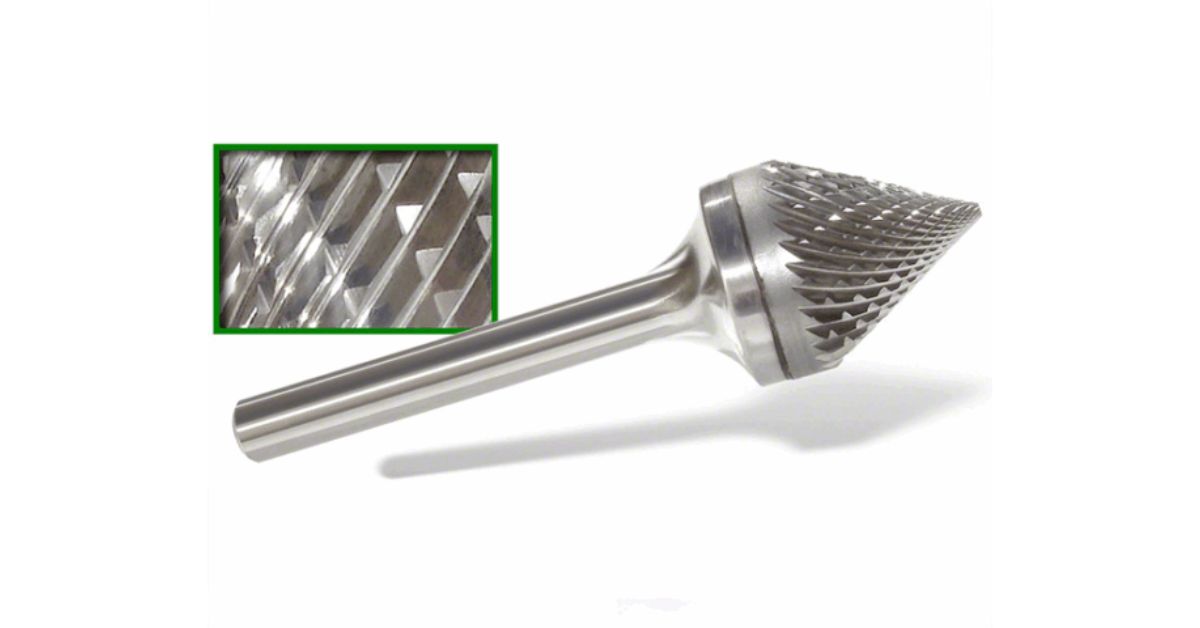
Pointed burrs offer access to tight corners and allow for detailed work in confined spaces. Tree-shaped burrs provide multiple cutting surfaces for versatile material removal patterns.
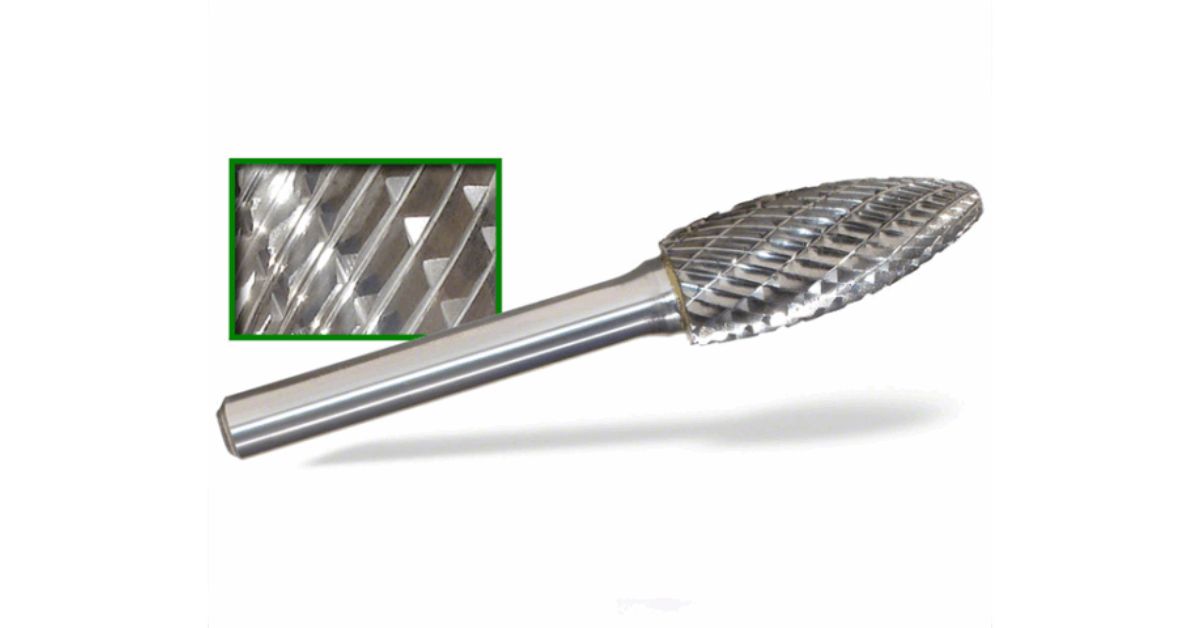
Flame and Oval Profiles
Specialized shapes like flame and oval burrs serve specific applications. Flame burrs work well for undercutting operations, while oval shapes provide controlled material removal over larger surfaces.
Selecting the Right Burr for Your Application
Different metal types require specific burr characteristics. For harder metals like steel or titanium, you should choose a burr with an aggressive cutting pattern for effective material removal. On the other hand, softer materials such as aluminum or brass require designs with wider flutes to prevent loading, which occurs when chips clog the cutting edges.
Size Selection
Burr diameter affects both cutting speed and surface finish. Larger burrs remove material faster but may lack the precision needed for detailed work. Smaller burrs provide better control but require more time for material removal.
Cut Pattern Options
Single-cut burrs produce smoother finishes but remove material slowly. Double-cut patterns increase material removal rates but may leave more visible tool marks.
Operational Best Practices
Rotary burr performance depends heavily on operational speed. Too fast creates excessive heat and premature wear. Too slow reduces cutting efficiency and can cause tool chatter. Most metalworking applications perform best at moderate speeds that balance material removal with tool life. Starting at lower speeds and gradually increasing allows operators to find the optimal setting for each material and burr combination.
Feed Rates and Pressure
Light, consistent pressure produces better results than heavy, intermittent loading. The cutting edges should engage the material progressively rather than being forced through it.
Proper feed rates prevent overheating while maintaining productive material removal. Experienced operators develop a feel for the correct pressure that maximizes both efficiency and tool life.
Maintenance and Tool Life Extension
To keep your burrs effective, clean them regularly to remove built-up material that can cause overheating and poor performance. Use a stiff-bristled brush to dislodge loose debris. For stubborn deposits like resin, soak the burrs in a suitable cleaning solvent.
Proper storage is also key to protecting the cutting edges. Store burrs in individual sleeves or tool blocks to prevent them from knocking against each other, which can cause chipping and dulling. This simple step will extend your tool’s lifespan.
When to Replace
Worn burrs are a clear sign of reduced cutting efficiency, often leading to poor surface finishes and inconsistencies in machining results. Common indicators include visible wear, chipping, or uneven edges on the burrs, which can compromise precision and overall quality. Identifying these issues early not only helps maintain consistent performance but also prevents costly quality defects and reduces the risk of damaging parts during production. Regular inspection and timely replacement of burrs are essential for ensuring optimal results.
The versatility of rotary burrs in metalworking applications continues to expand as manufacturers develop new shapes and cutting patterns. From precision aerospace components to heavy industrial fabrication, these tools provide the accuracy and efficiency that modern metalworking demands.
When you’re ready to upgrade your metalworking capabilities, consider the comprehensive selection of rotary burrs for metal applications. Professional-grade carbide construction and precision manufacturing deliver the performance you need for demanding metalworking tasks.