


How Drill Bit Geometry Affects Cutting Performance
How Drill Bit Geometry Affects Cutting Performance
 2026-09-02T12:15:58-08:00
Drill bits that share the same diameter can perform very differently once they meet metal. The shape of the point, cutting edges, flutes, and core changes how each bit enters the surface and removes material from the hole. Understanding how drill bit geometry affects cutting performance helps buyers compare options before drilling starts.
Geometry also influences how much pressure a bit needs and how steadily it cuts. Those differences matter when drilling harder metals or working on holes that require consistent placement.
Looking beyond diameter and drill material can help you choose a bit that fits the application, rather than relying on size alone.
1. Point Angle Affects How the Bit Starts Cutting
The point angle describes the angle formed at the tip of a twist drill. Two common designs for metal drilling are 118-degree and 135-degree points, though manufacturers may use other geometries for specialized applications.
A 118-degree point has a relatively sharp profile and works across many general-purpose drilling jobs. A 135-degree point creates a flatter tip and often appears on drills intended for tougher metal applications.
Drill Bit Warehouse offers several cobalt drill bits with 135-degree split points for drilling materials such as stainless steel and hardened steel. That combination gives the cutting edges a geometry suited to demanding metalwork.
Point angle also influences how the drill engages the workpiece. Matching the point to the material can help the cutting lips begin working without excessive feed pressure.
2. Split Points Can Reduce Walking
A conventional twist drill has a chisel edge at the center of its point. That section pushes into the workpiece while the cutting lips remove material around it.
A split point modifies the drill’s center. The added cutting geometry helps the point engage the surface sooner, reducing the tendency to skate or wander at startup.
This feature can prove useful when hole placement matters, especially on smooth metal surfaces. Drill Bit Warehouse uses 135-degree split points across several of its cobalt and high-speed steel drills.
A split point doesn’t replace proper setup or feed technique. It does, however, give the bit a point design that can make starting a hole more controlled.
3. Cutting Lips Shape the Hole
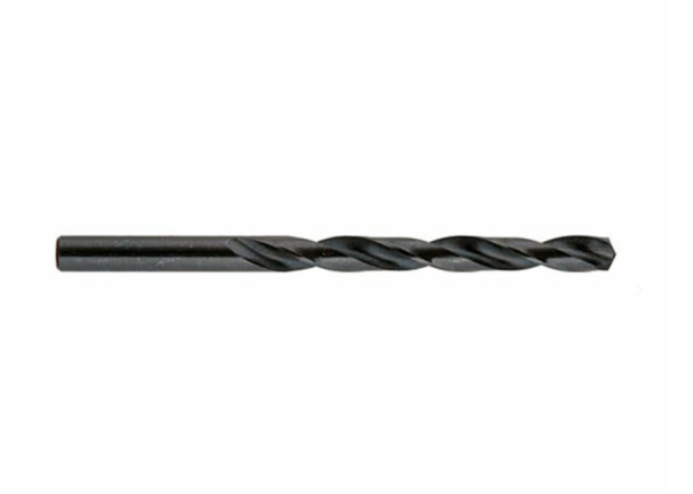
The cutting lips do most of the material removal on a standard twist drill. Each lip should share the cutting load as the bit rotates.
When the lips have matching geometry, the drill can track more evenly through the workpiece. Damage or uneven wear may make one edge cut harder than the other. That imbalance can contribute to vibration or affect hole size.
The cutting lips also work with the point angle. Their relationship helps determine how the drill shears metal and how much resistance the operator encounters.
Inspecting the lips before drilling can reveal chipped edges or uneven wear that may interfere with cutting performance.
4. Relief Gives the Cutting Edge Clearance
The cutting edge needs space behind it as it moves through the workpiece. Relief, sometimes called clearance, creates that space behind each cutting lip.
Without enough clearance, part of the drill behind the cutting edge can rub against the metal instead of allowing the edge to cut freely. Extra rubbing creates unnecessary friction and can make the bit harder to feed.
Too much relief presents a different problem. Removing too much support behind the edge can leave the cutting lip less stable under demanding conditions.
Manufacturers balance relief with the drill material and intended application. That balance helps the edge cut while keeping enough material behind it for support.
Signs the Cutting Geometry Needs Attention
Several drilling problems can point toward worn geometry or a bit that doesn’t suit the workpiece:
- The point moves across the surface before it starts cutting.
- The drill needs unusually heavy pressure to advance.
- One cutting lip shows more wear than the other.
- The hole measures wider than expected.
- Chips collect instead of moving freely through the flutes.
Speed, feed, lubrication, and tool condition can cause similar symptoms. Checking the drill geometry gives you another place to look when performance changes.
5. Flute Geometry Controls Chip Movement
Flutes form the spiral channels running along a twist drill. As the cutting lips remove metal, these channels give chips a path out of the hole.
Flute shape affects the space available for those chips. A bit needs enough space to move debris without losing too much strength in its body.
Poor chip evacuation can leave chips near the cutting edge. The bit may recut that material or rub it against the sides of the hole, which adds friction.
Flute geometry becomes especially noticeable in deeper holes because chips have farther to travel. Clearing chips effectively can help the cutting edges stay engaged with fresh material.
6. Web Thickness Changes Drill Rigidity
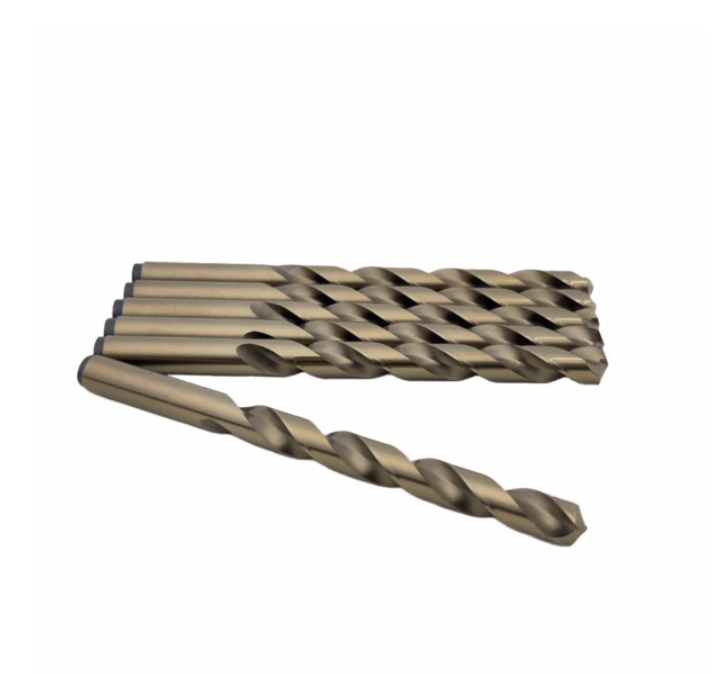
The web forms the solid center section of a twist drill between its flutes. Its thickness affects how much material supports the drill through its core.
A heavier web can give the drill greater resistance to bending under load. That added material also changes the geometry at the point because a thicker web can create a wider chisel edge.
The chisel edge doesn’t remove metal like the cutting lips. Instead, it pushes against the workpiece near the center of the hole. A larger chisel edge can require more feed pressure unless the manufacturer modifies the point geometry.
This relationship shows why two bits with the same outside diameter may behave differently. Their internal geometry can change how rigidly they cut and how much pressure they need.
7. Helix Angle Influences Chip Flow
The helix angle comes from the spiral path of the flutes around the drill body. It affects how the cutting edge meets the metal and how chips move toward the top of the hole.
Different materials produce different types of chips. Some form longer chips that need room to move, while harder or more brittle metals may break into shorter pieces.
Tool manufacturers choose flute and helix designs around the intended application. For most buyers, comparing exact helix-angle measurements matters less than choosing a drill designed for the metal at hand.
The important point is that the flute spiral serves a cutting purpose. It does more than give a twist drill its familiar appearance.
Match Drill Geometry to the Workpiece
A drill’s material grade tells only part of the story. Point style, flute design, and cutting-edge geometry also influence how the bit performs once drilling begins.
For general-purpose metalwork, a conventional point may work well. Harder metals may call for geometry designed around stronger cutting edges and controlled starting behavior. Drill length also deserves attention because extra reach can affect rigidity.
Understanding how drill bit geometry affects cutting performance helps narrow those choices before you start comparing specific products. It also gives you a clearer way to evaluate high-quality drill bits based on how their design fits the work, rather than relying on a material label alone.
Choose geometry with the workpiece and hole requirements in mind. A well-matched drill can start more predictably, move chips more effectively, and maintain steadier cutting as the hole develops.