


How Masonry Drill Bits Handle Aggregate and Rebar
How Masonry Drill Bits Handle Aggregate and Rebar
 2026-01-09T10:48:28-08:00
Contractors often face a sudden, screeching halt during concrete drilling projects. The rotary hammer stops advancing, the vibration changes frequency, and a high-pitched whine signals contact with steel reinforcement. Standard bits usually surrender at this moment.
The tip burns out, or the head shears off completely. Navigating these hidden obstacles is critical to the success of any masonry project. Success depends on understanding how masonry drill bits handle aggregate and rebar. Proper tool selection saves money, protects the crew, and keeps the timeline intact.
The Composition of Reinforced Concrete
Concrete rarely consists of pure cement. Manufacturers mix cement with water and aggregate to create the final product. Aggregate typically comprises crushed stone, gravel, or slag. These materials vary in hardness. Some river rocks or granite aggregates rival the hardness of the drill bit itself.
Builders add steel reinforcing bars, known as rebar, to provide tensile strength. This combination creates a composite material that poses a dual threat to cutting tools. The bit must pulverize the brittle concrete and aggregate while simultaneously shearing through the ductile steel. Standard masonry bits lack the geometry and material composition to perform both tasks. They crush the rock but fail against the metal.
Why Standard Bits Fail Against Steel
Most general-purpose masonry bits have a two-cutter head with carbide tips forming a line at the top, leaving large open flutes to remove dust from concrete. However, when encountering rebar, the large gap lets rebar slide between the cutters, causing the bit to catch and lock up, risking damage or injury. Friction and heat during stalls can melt the tip’s brazing, causing it to fall out and render the bit useless.
The Mechanics of Rebar-Cutting Bits
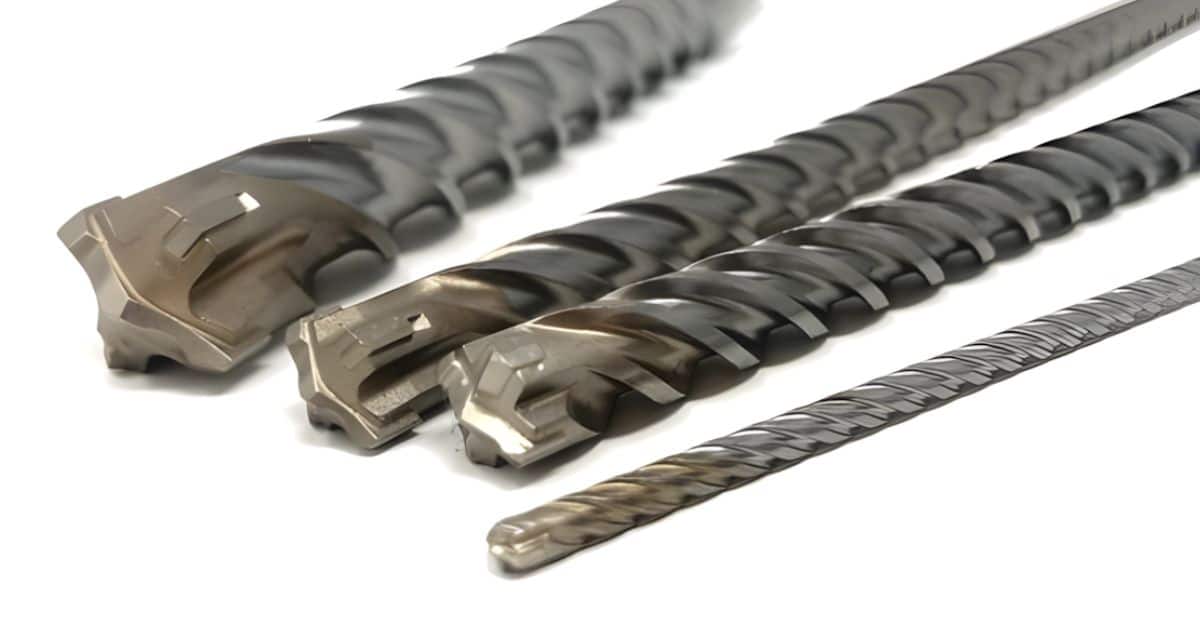
Specialized bits utilize specific engineering to overcome the limitations of standard tools. Manufacturers design these bits to gnaw through steel rather than catch on it. A four-cutter head, often called a Quad Carbide or solid cross configuration, plays a central role here.
Four cutting edges distribute the workload. They create a smaller gap between tips, preventing the rebar from sliding deep enough to lock the bit. The head hammers the steel while cutting it, chipping away small metal shavings. Drill Bit Warehouse Penetrator bits feature a solid cross configuration and laser-welded micro-grain carbide. This robust construction withstands the high impact of hammer blows to steel decking or reinforcement.
The Role of Carbide Quality
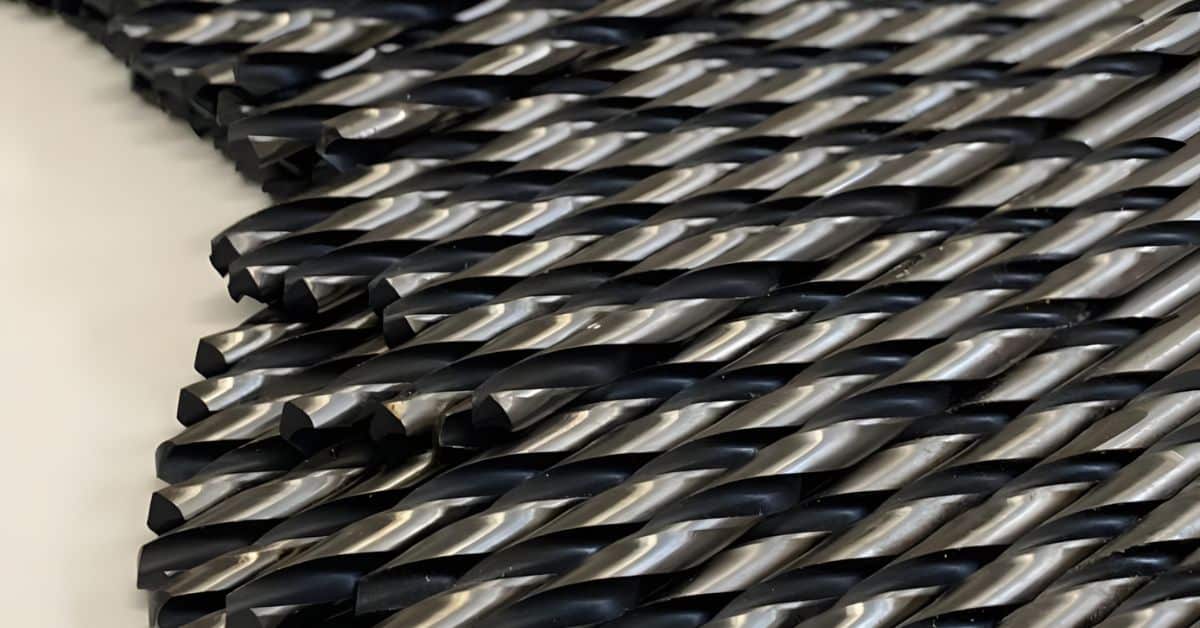
Not all carbide offers equal performance. Manufacturers produce tungsten carbide in various grades. Softer grades absorb impact better but wear down faster. Harder grades hold a sharp edge but chip under stress. Bits designed for aggregate and rebar require a specific balance.
Micro-grain carbide provides a dense structure. This density resists the fracturing that occurs when the bit transitions from soft concrete to hard steel. Laser welding secures these high-quality tips to the bit body. This fusion method creates a bond stronger than traditional brazing. It allows the bit to maintain structural integrity even when temperatures rise during prolonged drilling.
Drilling Techniques for Mixed Materials
Technique impacts performance as much as the tool itself. Operators must maintain firm, steady pressure when the bit encounters steel. Bouncing or reducing pressure causes the bit to skid, which work-hardens the steel and dulls the carbide.
Listen to the tool. The sound shifts from a low rumble to a metallic clatter upon contact with rebar. At this point, many experts recommend slowing the rotation speed (RPM) while maintaining the impact rate (BPM) if the tool allows such adjustments. This action enables the cutters to chip the metal without generating excessive frictional heat.
Managing Heat and Friction
Heat destroys carbide, which becomes brittle and fractures when overheated. Drilling in reinforced concrete produces intense heat from friction. Operators can prevent this by using short bursts, allowing air to cool the bit naturally and avoiding water dips, which cause thermal shock. Rotating bits during large projects helps manage temperature.
Importance of Flute Design
Flutes are more than just a spiral design; they are essential for clearing debris. When dust accumulates at the bottom of a hole, it forms a cushion that absorbs the hammer’s impact energy. This prevents the bit from effectively fracturing the material and increases friction on the bit’s sides.
High-quality bits feature generous, high-helix spiral flutes to accelerate dust evacuation. This quick removal of debris keeps the cutting edge clean and cool. Some advanced designs also include features to prevent vacuum blow-back, protecting the operator from inhaling silica dust and ensuring the hole is ready for an anchor or rebar dowel.
ANSI Standards and Anchor Fit
Professional job sites require strict adherence to codes. The American National Standards Institute (ANSI) specifies drill bit tolerances under standard B212.15, ensuring holes are drilled within precise diameter ranges.
Mechanical anchors rely on friction to hold loads, but oversized holes can cause anchors to slip or fail. ANSI B212.15-compliant bits drill accurate holes that meet anchor requirements. Wear marks on the bit head show when it no longer meets these tolerances. Once the mark fades, the bit is no longer compliant and must be replaced.
Selecting the Right Shank Style
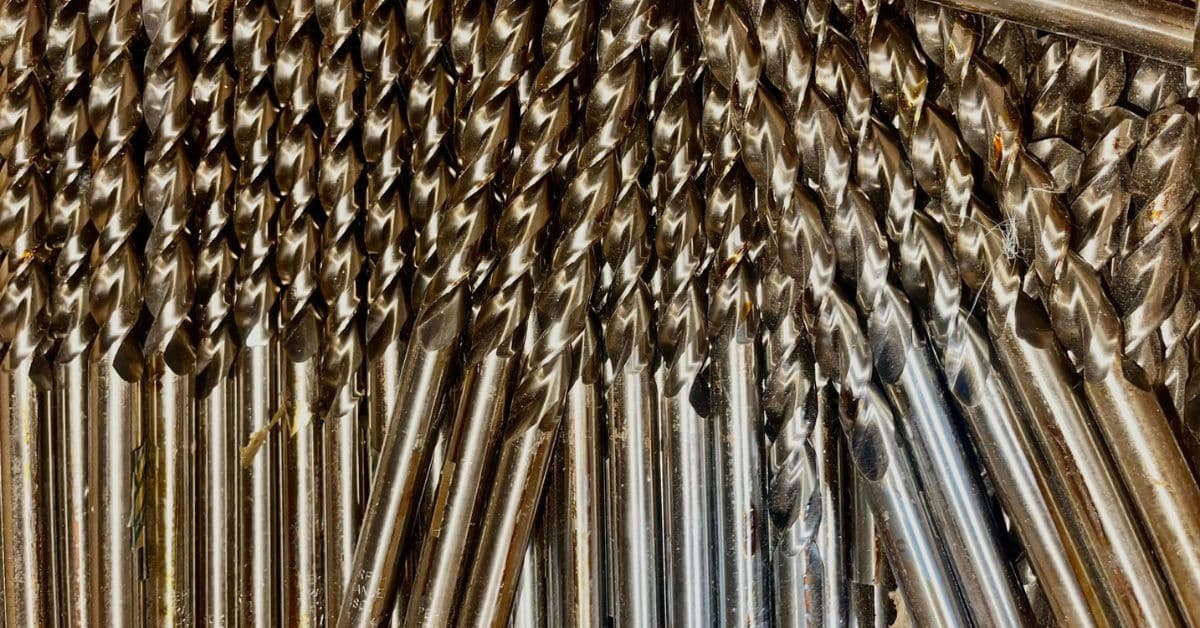
Rotary hammers utilize specific chuck systems to transfer energy. Matching the bit shank to the tool maximizes efficiency.
SDS-Plus
This system fits lighter, more compact rotary hammers. Contractors typically use SDS-Plus for holes up to 1-1/8 inches in diameter. These tools excel at overhead work or drilling into hollow block and lighter concrete. Penetrator bits in this style can handle rebar despite their smaller size.
SDS-Max
Heavy-duty tasks require SDS-Max. This shank features a larger diameter and deeper locking grooves. It delivers high-impact energy to drill large-diameter holes or penetrate thick reinforced slabs. These bits often feature substantial carbide heads capable of pulverizing tough aggregates such as river rock.
Spline Drive
Though less common in modern tools, older heavy-duty hammers often use a Spline drive. Like SDS-Max, these handle significant torque and impact. Purchasing agents must verify the tool chuck’s compatibility before ordering bits.
Safety Considerations
Drilling reinforced concrete poses risks of physical injury, including wrist injuries from bit lock-up and falls from ladders. Using a 4-cutter head bit reduces this risk. Silica dust is a respiratory hazard, and bits with optimized flutes work with dust extraction vacuums (HEPA).
OSHA requires dust collection on sites. A hollow bit that sucks dust through the center offers the cleanest, safest solution, maintaining air quality and clean holes.
Upgrading Your Concrete Drilling Inventory
Projects demand reliable tools. Purchasing cheap, standard bits often leads to downtime, broken tools, and frustrated crews. Investing in quality bits keeps the work moving forward. Understanding how masonry drill bits handle aggregate and rebar separates professional results from amateur frustration.
Equipping the team with the correct technology allows them to drill with confidence. For top-tier performance in reinforced concrete, grab a penetrator drill bit for concrete and steel. These tools transform a difficult obstacle into a routine task.