


How To Drill Countersink Holes Without Splitting Wood

How To Drill Countersink Holes Without Splitting Wood
 2025-08-29T15:02:36-08:00
Drilling countersink holes might seem like a simple task, but achieving professional-quality work without splitting the wood requires precision, technique, and the right tools. Whether you’re an experienced woodworker or a DIY enthusiast, understanding how to drill countersink holes without damaging your material will save you time, money, and frustration. Avoiding cracked or splintered wood starts with mastering a few essential steps and tips.
Wood has remarkable strength but also vulnerabilities, especially when pressure is misused during drilling. Without the proper approach, your countersink holes can create weak spots that compromise not only the durability but also the aesthetic of your project. By following the steps outlined in this guide, you’ll be equipped with the knowledge you need to know to drill countersink holes without splitting wood.
What Are Countersink Holes and Why Are They Important?
Countersink holes are created to allow a screw head to sit flush with or below the surface of the material. This technique is essential for ensuring that screws do not protrude and create uneven surfaces, especially in furniture and woodworking projects where a smooth finish is desirable. This technique also reduces stress on the wood by distributing force more evenly around the screw head. However, drilling these holes improperly can result in splitting or cracking, ruining the integrity and appearance of your work.
Understanding the Risk of Splitting Wood
Wood splits when the force of drilling or screwing exceeds the material’s ability to bend and compress. This can happen due to incorrect drill bit selection, excessive pressure, or drilling too close to the edge of the wood. Preventing splits involves controlling every aspect of the process, from tool selection to the drill angle. Rushing or using improper equipment can quickly turn your project into a disaster.
Choosing the Right Tools for the Job
The tools you use play a significant role in preventing wood splitting. Drill bits explicitly designed for wood, such as brad-point or countersink drill bits, are essential. These bits create clean holes by carving away wood fibers instead of tearing them. Additionally, using a sharp drill bit is crucial. A dull bit requires more pressure to cut through the wood, increasing the risk of splits. Start your project by ensuring all your tools are sharp, clean, and appropriate for the material you’re working with.
Preparing the Wood Before Drilling
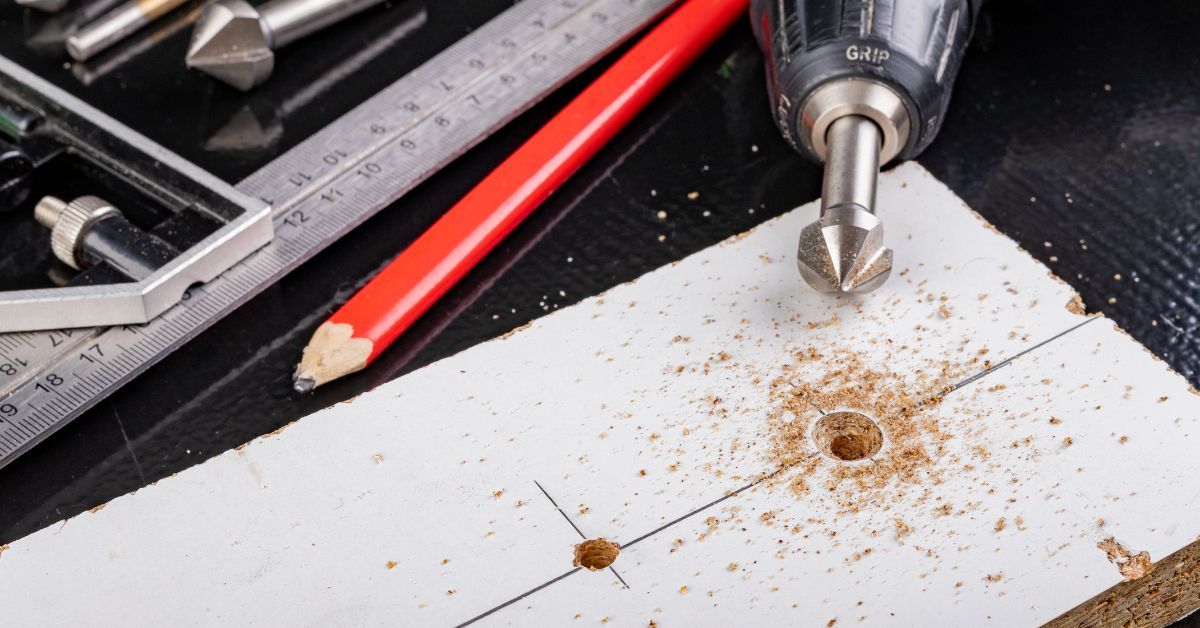
Preparation is key to ensuring success when drilling countersink holes. First, mark the exact spots where you intend to drill. This keeps the process organized and reduces the chances of mistakes. Next, secure the wood firmly using a clamp or bench vise. Movement during drilling can cause uneven pressure and splintering. Finally, consider applying masking tape over the drilling area. This simple trick can reduce chipping and create crisp hole edges.
Drilling Pilot Holes Is a Must
Drilling a pilot hole before creating a countersink hole is one of the most critical steps to prevent wood from splitting. The pilot hole serves as a guide for your screw and reduces pressure on the wood when the screw is inserted. Without it, the wood fibers split apart as the screw enters, leading to cracks. Choose a drill bit slightly smaller than your screw diameter for the pilot hole. This process minimizes material displacement and ensures a snug screw fit.
Using a Countersink Bit for Precision
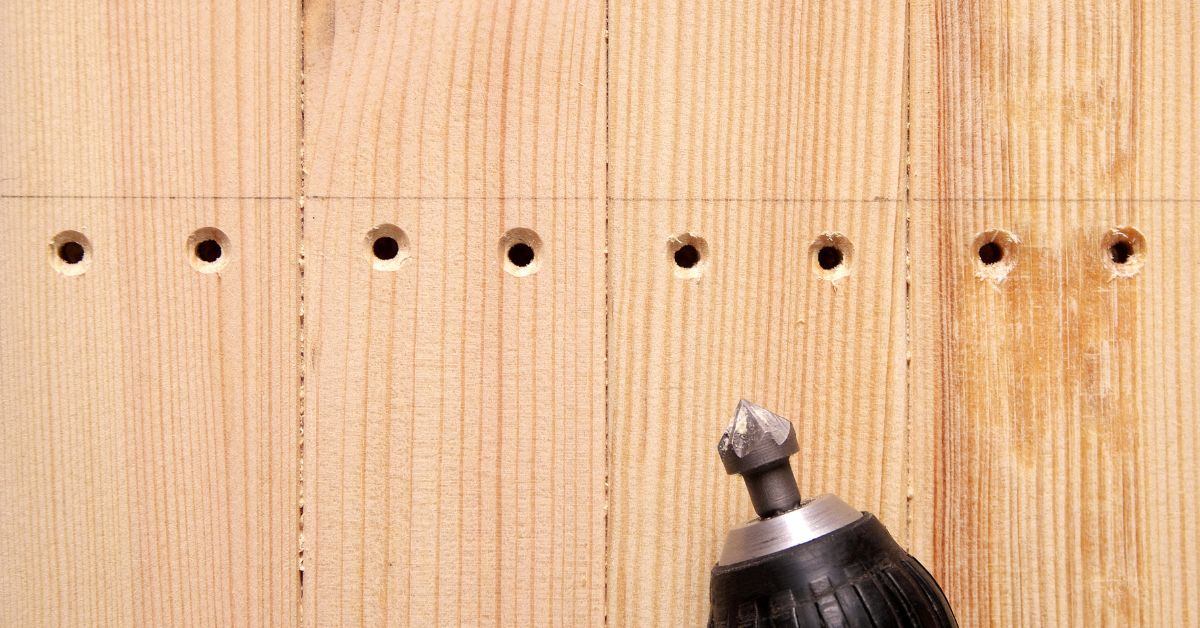
A countersink bit is designed to create a beveled edge in the pilot hole, allowing the screw head to sit flush with the wood surface. After drilling your pilot hole, switch to the countersink bit and carefully align it with the hole. Apply steady pressure and keep the drill perpendicular to the wood to avoid uneven bevels. Countersink bits come in various sizes, so choose one that matches the screws you’re using. Attention to detail during this step significantly affects the final finish.
Controlling Drill Speed and Pressure
Drilling at the correct speed can make all the difference in preventing wood splits. High-speed drilling generates heat that can weaken the wood fibers and cause cracks. Instead, use a moderate speed and apply gentle, consistent pressure as you drill. Pushing too hard is a common mistake that leads to splintering, especially with softer woods. Be patient and allow the bit to do the work rather than forcing it.
Why High-Quality Drill Bits Matter
Low-quality or worn-out bits may seem cost-effective, but their inefficiency and tendency to damage material can end up costing you more in the long run. Consider using high-speed steel drill bits for their durability and precision. These bits maintain sharpness over time and are less likely to tear through wood fibers, making them ideal for drilling clean, controlled countersink holes.
Timing Is Everything in Drilling
When drilling countersink holes in sensitive or softwood, timing is critical. Lift the drill periodically as you work to clear away debris, which can accumulate and increase heat and pressure. This step also ensures better visibility and more accurate results. Pay close attention to how the wood responds as you drill and stop immediately if you notice signs of stress or splitting. A cautious, deliberate approach will yield the best outcomes.
Sanding and Finishing for a Polished Look
After your countersink holes are drilled, take the time to sand the area around the holes. This process smooths out any rough edges and ensures that the screw heads lie flush or even slightly recessed. Use fine-grit sandpaper and work gently to avoid over-sanding. If your project requires painting or staining, apply a wood filler to cover the screw heads for a seamless appearance. A polished finish adds value to your project and showcases your attention to detail.
Testing Techniques on Scrap Wood
If you’re new to drilling countersink holes or working with an unfamiliar type of wood, practice first. Use a piece of scrap wood to test your drill bits, pressure, and techniques. This helps identify potential issues and gives you the confidence to proceed with your actual project. Testing is beneficial when working with rare or expensive wood where mistakes can’t easily be undone.
Wrapping Up Your Perfect Project
Drilling countersink holes without splitting wood requires preparation, the right tools, and a careful technique. Start with sharp, high-quality bits and secure your wood properly. Always drill a pilot hole before using a countersink bit and control your speed and pressure throughout the process. With these steps, you can achieve professional results and protect the integrity of your material.
For those seeking the best results, our company offers top-of-the-line tools and accessories to make every project a success. These meet our own employees’ high-quality standards, ensuring reliability and precision. Equip yourself today and see the difference quality tools make in your woodworking endeavors.