


How To Extend the Life of Masonry Drill Bits
How To Extend the Life of Masonry Drill Bits
 2026-07-24T08:58:28-08:00
[BANNER]
Masonry drilling asks a lot from a bit. Brick, block, concrete, mortar, stone, and asphalt create friction that wears cutting edges and carbide tips fast. You can get more use from each bit when you match the bit to the material, control heat, and keep dust from grinding against the cutting surface.
A few steady habits help when you’re figuring out how to extend the life of masonry drill bits without slowing down the job.
Choose the Right Masonry Bit Before You Start
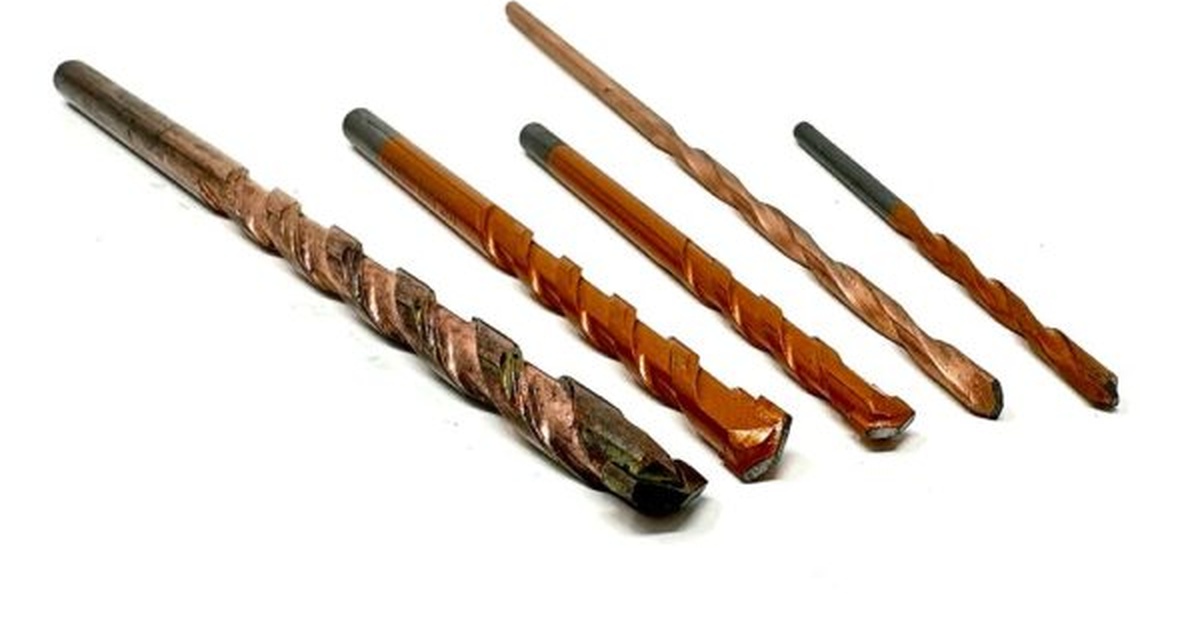
A masonry bit lasts longer when it is suited to the material and hole size. Standard carbide-tipped masonry bits handle brick, block, mortar, and many concrete tasks. SDS-style bits suit heavier concrete work because the shank transfers impact force well and helps the bit stay seated under load.
Bit length matters, too. A bit that’s much longer than the hole depth can flex, wander, and stress the tip. A bit that’s too short can clog with dust before it reaches full depth. Match the flute length to the hole depth so the bit can clear debris as it cuts.
Use the correct bit diameter for the anchor or fastener. Oversizing a hole wastes the cutting edge and weakens the hold. Undersizing a hole forces extra pressure on the bit and can crack masonry around the hole.
Start With a Clean Mark and Stable Angle
A masonry bit wears faster when it skates across the surface before it bites. Mark the hole location clearly, and start with steady control. Keep the bit square to the surface unless the job calls for a set angle.
Start slow until the tip creates a shallow seat. After the bit grips the material, increase speed within the bit and material limits. A controlled start helps protect the carbide tip from chipping, especially on hard brick.
A steady angle also protects the bit body. Side pressure can bend the shank, widen the hole, and grind one side of the tip harder than the other. Let the bit cut straight, and pause to reset your angle if the hole starts to drift.
Control Speed and Pressure
Speed and pressure play a major role in bit life. Too much speed creates heat. Too much pressure can chip the carbide, flatten the cutting edge, or bind the bit in the hole. Use firm, steady pressure rather than forcing the bit forward.
Masonry bits need impact and rotation to work well in hard materials. When the bit stops advancing, don’t push harder right away. Back the bit out, clear dust, and check whether the tip still feels sharp.
Watch for these signs that you need to adjust:
- The bit squeals, smokes, or smells hot
- The hole fills with powder and stops clearing
- The tip turns dull or discolored
- The bit starts bouncing instead of cutting
Keep Dust From Wearing Down the Bit
Dust acts like abrasive grit inside the hole. As the bit spins, packed dust grinds against the flutes and cutting edges. That extra friction creates heat and slows drilling.
Pull the bit out during deeper holes. Let the flutes carry dust out before you continue. For larger holes or harder material, clear the hole more often. Clean holes reduce binding and help the bit cut with less resistance.
Dust control also helps anchors seat better. Packed debris can keep fasteners from reaching full depth, which may tempt someone to push harder or ream the hole. Both habits shorten bit life and can damage the work surface.
Manage Heat Before It Damages the Tip
Heat wears down masonry bits fast. Carbide tips handle tough drilling, yet heat can still weaken brazed joints and dull cutting edges. If the bit feels too hot to touch after a short pause, give it time to cool.
Avoid dunking a hot bit in water unless the bit manufacturer allows it. Sudden cooling can stress the tip or joint. Let the bit cool in open air, and rotate between bits during repeated holes.
Drilling into asphalt, cured concrete, or dense stone can generate heat quickly. For pavement or similar surfaces, choose asphalt drill bits suited to the abrasive material and hole depth. Better material matching reduces heat and helps preserve the bit’s edge.
Avoid Binding in Deep Holes
Deep holes create more friction because dust has farther to travel. Binding happens when dust packs around the bit, the angle shifts, or the bit hits aggregate at an awkward point. Once the bit binds, twisting force can damage the shank or loosen the carbide tip.
Use a pecking motion for deeper holes. Drill a short distance, pull back, clear debris, and continue. Keep the bit turning while you withdraw it so the flutes can carry dust out.
Don’t use the bit as a pry tool if it catches. Stop, reverse carefully if the setup allows it, and work the bit out without bending it. A bent bit creates oversized holes and wears unevenly from that point forward.
Inspect and Store Bits With Care
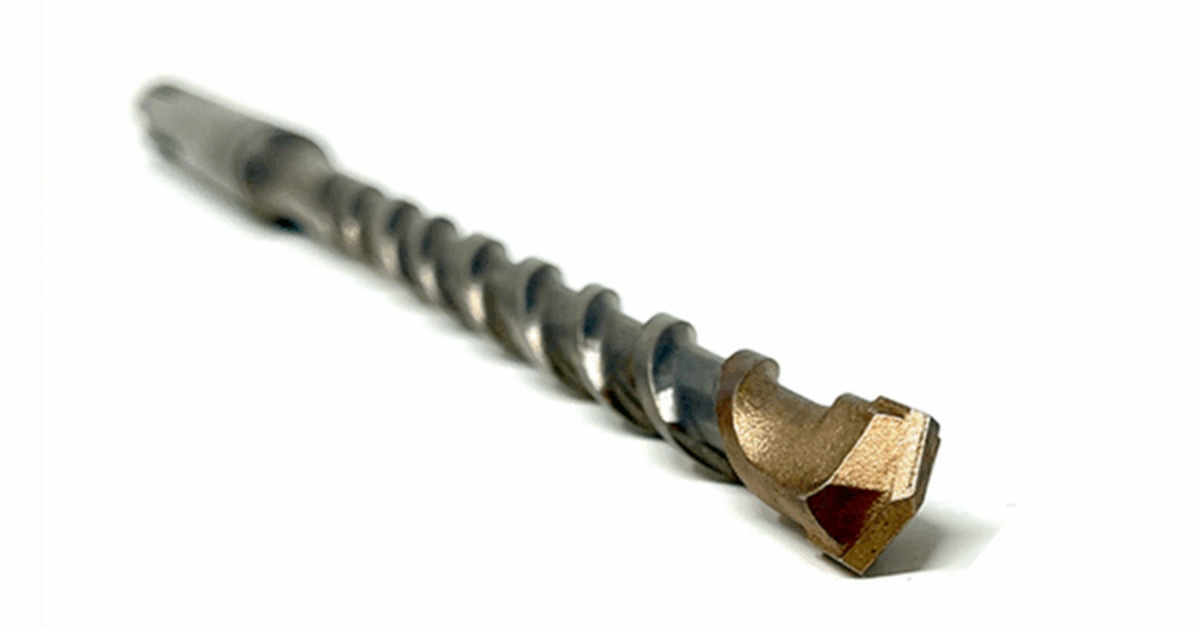
A quick inspection can save time and material. Look at the carbide tip before drilling another hole. Sharp edges, even wear, and a secure tip mean the bit can keep cutting. Rounded edges, chips, cracks, or wobble mean the bit needs replacement.
Keep masonry bits separated by size. Use a case, sleeve, rack, or labeled organizer. Wipe dust from the flutes before storing them, especially after drilling concrete, mortar, or asphalt. Grit left on the bit can hold moisture and encourage surface corrosion on the body.
Dry storage also matters. Moisture can rust the shank, making it harder for the bit to seat cleanly. Clean, dry bits start straighter and perform with less vibration.
Make Each Masonry Bit Work Longer
Good drilling habits protect the cutting edge from the first hole to the last. Choose the right bit, start with control, clear dust often, and manage heat before it shortens the bit’s service life.
When you understand how to extend the life of masonry drill bits, you’ll get cleaner holes, smoother drilling, and better value from every bit you keep in rotation.
DrillBitWarehouse carries masonry drilling tools for demanding materials, with straightforward support for choosing the right bit for the job.