


How To Inspect and Test Concrete Before Drilling

How To Inspect and Test Concrete Before Drilling
 2025-07-10T15:52:04-08:00
Concrete drilling is a common task in construction, renovation, and home improvement projects. While it might seem straightforward, drilling into concrete without proper inspection can lead to costly damage, safety hazards, and subpar results.
Whether you’re a drill bit enthusiast or a professional contractor, knowing what lies beneath the surface and how to inspect and test concrete before drilling can make all the difference.
Why Inspect Concrete Before Drilling?
Drilling into concrete without a plan is like walking through a maze blindfolded. You risk hitting rebar, pipes, or electrical wires, which can all result in complications. Inspecting concrete helps you avoid potential hazards and achieve precise, clean results. Ultimately, your diligence can increase the lifespan of your structure, protect your equipment, and provide a stable foundation for your project.
Understanding Concrete Composition and Reinforcement
Concrete is composed of cement, aggregates, water, and air and is often reinforced to add to the durability and strength of a structure. When inspecting concrete, recognizing its composition is critical to avoid cutting through integral reinforcements during drilling.
If you compromise the rebar or cables in a concrete slab, the structure’s integrity weakens, leading to a shorter life or even disastrous failures. Analyzing the composition upfront helps you drill with confidence.
Tools Needed for Testing Concrete Integrity
Round-penetrating radar (GPR) and digital scanners are two of the most widely used methods for detecting embedded elements, such as rebar, posttension cables, and utility lines. GPR uses electromagnetic waves to map the concrete’s internal structure, while digital scanners provide three-dimensional imaging. Both tools allow you to visualize the concrete’s composition so you can drill safely and accurately without surprises.
How To Test for Concrete Strength
Concrete strength testing is a crucial component of the inspection process. A rebound hammer test, for instance, measures hardness to determine if the concrete is strong enough to withstand drilling.
Core sampling is another method and involves extracting a small cylindrical portion of concrete to test its compressive strength. Both methods provide valuable insights into whether concrete can endure the drilling process without cracking or succumbing to structural compromise.
Know the Location of Buried Elements
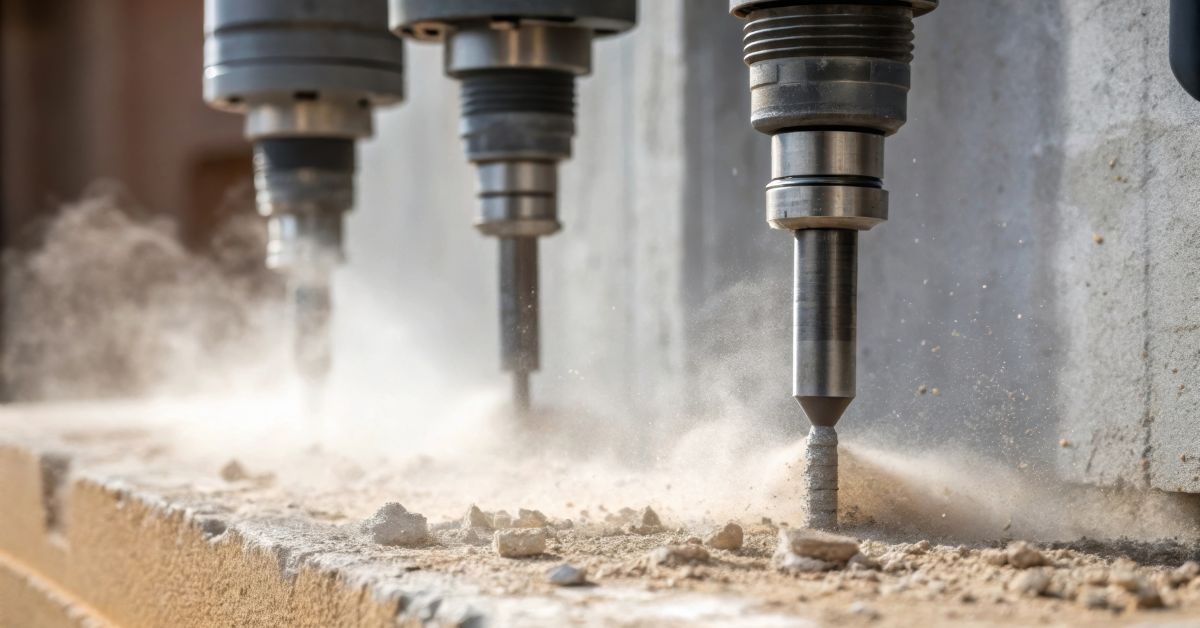
One of the riskiest aspects of concrete drilling is the possibility of striking hidden elements beneath the surface, such as electrical conduits, plumbing pipes, or gas lines. While a stunningly durable material, concrete often conceals utilities that can lead to severe issues if disturbed. Before you pick up that drill, a detailed scan can pinpoint these buried elements, offering peace of mind and enabling precise drilling paths.
Identifying Cracks and Weak Spots
Cracks can compromise the integrity of the concrete, making it more susceptible to failure under stress. Even small surface cracks may indicate deeper issues, such as shifting foundations or moisture damage. Drilling into these compromised zones can worsen the cracks, spread stress fractures, or even cause chunks of concrete to break away, potentially jeopardizing safety and project success.
To prevent these risks, thoroughly analyze the surface, marking out imperfections to avoid during drilling. Use visual inspections, tapping tests, or even digital crack detectors for greater precision.
For example, a contractor preparing to anchor a railing post on a concrete balcony may identify a hairline fracture along the edge of the slab. Instead of drilling directly into the damaged section, they might adjust the post location and reinforce the surrounding area with epoxy filler for long-term stability and safety.
Choosing the Right Drilling Equipment
Once you’ve completed your inspection, it’s time to select drilling equipment. A drill bit for concrete and rebar is a must-have tool for tackling tough surfaces and reinforced materials. These specialized drill bits are designed to handle the hardness of concrete while smoothly transitioning through rebar without breaking or losing efficiency. Additionally, using a rotary hammer drill with adjustable settings can give you superior control and precision, especially when working with dense materials.
How To Plan Your Drilling Path
Precision and planning are crucial when drilling concrete. After analyzing the concrete’s composition, reinforcement layout, and potential obstacles, outline your drilling points with a marker.
Double-check your measurements so your planned path avoids critical reinforcements, hidden pipes, and wires. A well-planned approach eliminates guesswork, paving the way for a smooth, frustration-free experience.
The Importance of Safety Procedures
Safety should be a top priority when working with concrete. Protective gear is nonnegotiable. Always wear safety goggles, gloves, and hearing protection to shield yourself from dust, debris, and loud noise. Avoid loose clothing that may get tangled in the machinery. Additionally, keep the drilling area well-ventilated, as cutting through concrete can produce fine particles that are harmful to breathe in.
Dealing With Unexpected Obstacles
Even with detailed inspections, surprises can sometimes occur mid-project. Drilling can occasionally reveal unexpected cavities, embedded metals, or even weak patches that weren’t visible during predrill scanning. If this happens, pause the project immediately.
Reassess the drilled area with your diagnostic tools, adjusting your plan accordingly. Addressing these challenges promptly ensures you don’t jeopardize your safety or the project’s outcome.
Testing After Drilling
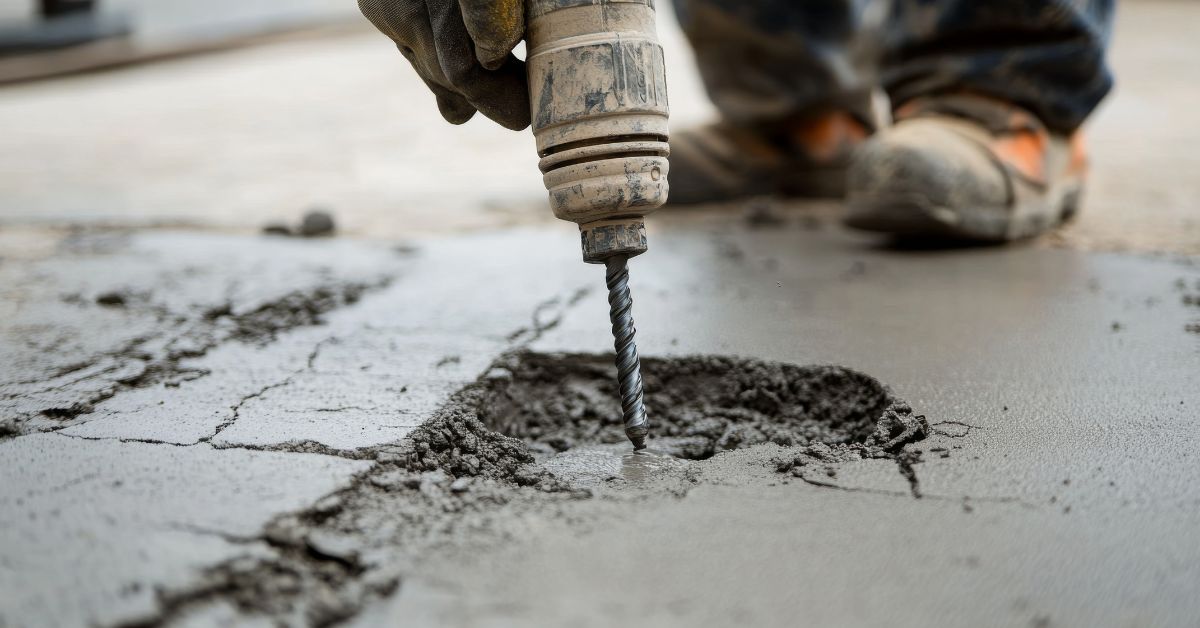
Once you’ve completed your drilling task, post-project inspection is just as essential as predrilling preparation. Examine the drilled holes, checking that they align with your expectations and aren’t causing visible damage to the structure.
Clean away debris and dust to uncover minor cracks or weaknesses that might have formed during the drilling process. Regular inspection and maintenance will keep your project intact for years to come.
Harnessing the Power of Concrete Drilling
Inspecting and testing concrete before drilling is not just about avoiding risks but also about achieving the best possible outcome. From using advanced tools like ground-penetrating radar to selecting the best drill bit for concrete and rebar, preparation is the key to success. By taking the time to inspect your concrete thoroughly, you safeguard the integrity of your structure, make efficient use of resources, and create results you’re proud of.
Whether working on a small home improvement task or a large-scale construction project, detailed inspection and testing are indispensable parts of the process. Equip yourself with the right tools, stay vigilant, and trust in your ability to drill safely and effectively. A prepared and informed approach will reward you with precision, durability, and peace of mind.