


How To Minimize Deflection in Long Drill Bits
How To Minimize Deflection in Long Drill Bits
 2026-04-07T08:50:40-08:00
Drilling deep, accurate holes in metal is challenging even for experienced machinists and fabricators. The longer the tool, the greater the opportunity for it to wander, flex, or chatter underload. That movement affects hole straightness, surface finish, and overall tool life. Understanding and applying proven strategies for minimizing deflection in long drill bits helps you maintain precision and protect your investment in quality tooling.
When you drill through structural steel, alloy plate, or thick components, you need more than a sharp edge. You need the right setup, correct speeds, and disciplined technique that supports stability from start to finish.
Below, we break down practical steps you can use right away to control deflection and improve results in demanding metal applications.
Why Long Drill Bits Deflect in the First Place
Deflection occurs when the drill bends away from its intended centerline during rotation and feed. Length increases flexibility, and flexibility increases the likelihood of lateral movement. Even small amounts of runout at the spindle amplify that movement at the tip.
Several forces contribute to deflection:
- Cutting resistance at the point
- Uneven material density
- Excessive feed pressure
- High rotational speed
- Inadequate tool support
When you understand these forces, you can control them. Every adjustment you make, whether in speed, workholding, or pilot hole strategy, directly impacts how the bit tracks through the material.
Start With the Right Drill Bit Design
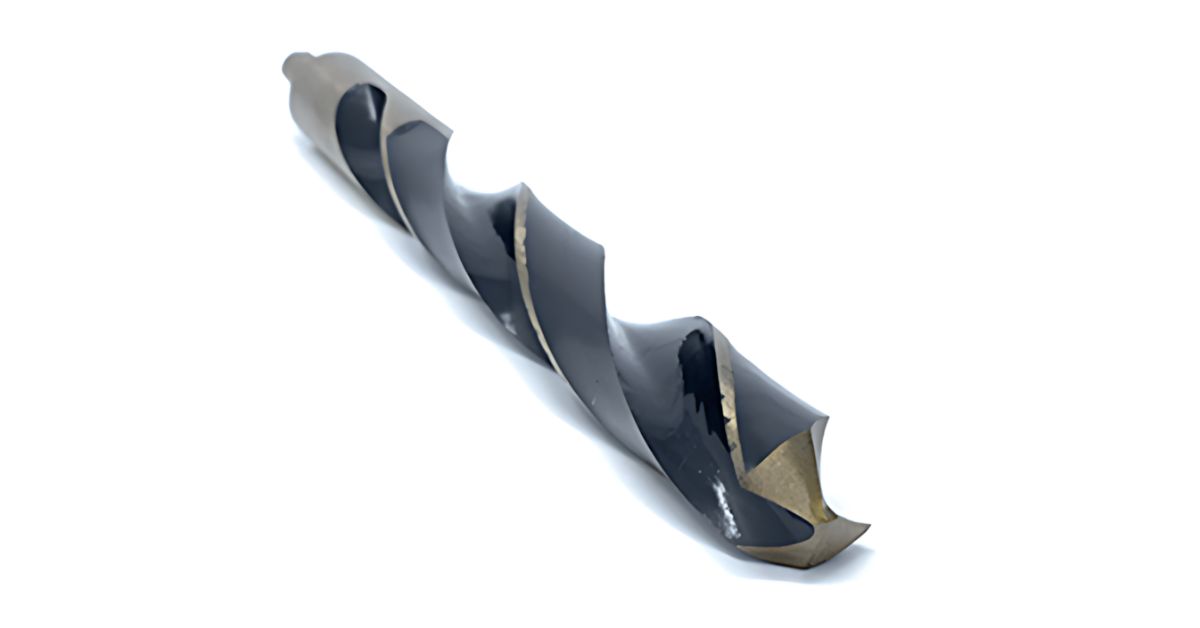
Not all long bits perform equally. Factors such as flute shape, core thickness, and point angle affect rigidity and cutting stability. Opt for a design suited for deep-hole drilling. A thicker web boosts strength and minimizes flex under pressure. Using a properly ground split point helps the bit start on center and prevents walking across the surface. Material choice is also crucial. Cobalt and carbide materials offer better heat resistance and keep cutting edges sharp under stress.
For drilling harder alloys or structural materials, choose a grade appropriate for the task rather than forcing a general-purpose bit into specialized work. When you select the right bit for the job, it reduces unnecessary strain and ensures better tracking from the start.
Use a Pilot Hole to Guide the Cut
A pilot hole provides a guide for the longer bit. Without it, the chisel tip must find its own center, which can cause wandering. Drill a short, sturdy bit first to create a centered pilot hole, then use the longer tool. Make the pilot hole slightly smaller than the final diameter to ensure effective cutting.
This step accomplishes two goals:
- It reduces the starting load on the long bit.
- It keeps the tool aligned with the intended hole location.
You gain more control at entry, and you reduce lateral movement as the bit advances deeper into the material.
Control Speed and Feed With Precision
Speed and feed settings directly influence deflection. Excessive RPM can cause heat buildup and vibration, while too much feed pressure may cause the bit to flex rather than cut cleanly. Always follow material-specific cutting guidelines and adjust based on the diameter and length of the bit.
As the bit length increases, slightly lower the speed to enhance stability. Keep a steady, controlled feed pressure that enables the cutting edges to work effectively without forcing the tool.
Watch for signs of trouble:
- Squealing or chatter
- Excessive heat discoloration
- Oversized or out-of-round holes
If you see these symptoms, reduce speed and reassess feed rate. Small adjustments often correct large performance issues.
Secure the Workpiece and Minimize Movement
Even the best drill bit cannot compensate for unstable material. Movement at the workpiece is transmitted directly to the cutting edge.
Clamp the material firmly and eliminate vibration before you begin. If you drill large or heavy components, confirm that the surface sits flat and fully supported. Uneven support creates pressure points that shift under load.
Alignment is also important. Position the spindle so it’s square to the surface to ensure the bit enters straight. An angled entry causes increased side loading and can lead to deflection. By eliminating external movements, the bit can concentrate on cutting properly instead of compensating for misalignment.
Reduce Tool Overhang Whenever Possible
Excess overhang increases leverage against the bit, causing flex under resistance. Insert the bit deeply into the chuck while maintaining flute clearance, avoiding gripping on the fluted section, and not leaving unnecessary shank exposed.
When possible, gradually increase depth rather than engage fully; reducing unsupported length enhances rigidity and drilling accuracy.
Apply Proper Lubrication for Heat Control
Heat causes metal to expand and diminishes cutting efficiency. As temperatures increase, the drill bit faces more resistance, leading to flexing and wandering. Use suitable cutting fluid for the material and apply it consistently to minimize friction and help flush chips out of the hole.
Effective chip removal is especially important during deep drilling, as accumulated chips can cause uneven pressure along the flute walls. Keep the cutting zone clean; when chips are effectively cleared, the bit cuts more smoothly and remains properly aligned.
Peck Drilling for Deep Holes
Peck drilling reduces stress during deep-hole operations. Instead of driving the bit continuously to full depth, advance in controlled increments and retract periodically to clear chips.
This method provides three advantages:
- Reduces chip packing
- Lowers cutting temperature
- Maintains straighter hole alignment
Each retraction allows coolant to reach the tip and relieve built-up pressure. When you resume drilling, the bit engages cleanly instead of pushing against accumulated debris.
For longer holes, this strategy helps improve results and supports consistent performance.
Inspect and Maintain Your Tooling
A worn or damaged bit deflects more easily. Dull edges need more force to cut, increasing bending. Regularly inspect edges for chips, uneven wear, or buildup. Replace or regrind bits before performance declines.
Check runout by inspecting your chuck or holder for wear and alignment. Even slight runout multiplies at the tip of long bits, especially at high speeds. Routine inspection maintains accuracy and extends tool life.
Select Length Strategically for the Application
Do not default to the longest available option. Use only as much length as the application demands.
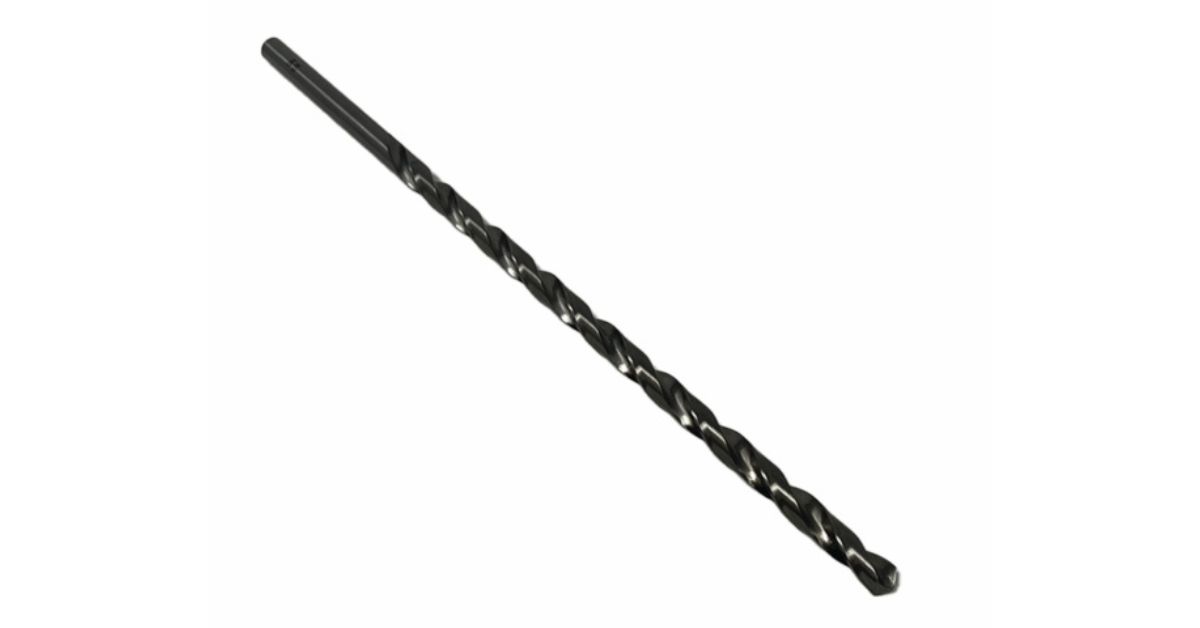
For through-holes in thick material, measure the required depth carefully. If a standard length works, avoid stepping up unnecessarily. Reserve extended-length and aircraft-style tools for true deep-reach applications.
Longer tools offer access, but they require greater discipline in setup and operation. Strategic selection supports both precision and efficiency.
Consistency Drives Accuracy
Successful drilling depends on repeatable habits. When you focus on alignment, feed control, proper lubrication, and disciplined technique, you create conditions that support straight, accurate holes.
Professionals who prioritize minimizing deflection in long drill bits treat the entire process as a system. They do not rely on force to correct problems mid-cut. Instead, they control every variable before engaging the material.
That mindset separates predictable results from frustrating rework.
Improving Accuracy With Long Drill Bits
Long drilling applications demand planning and attention to detail. You reduce deflection by selecting the right geometry, controlling speeds and feeds, stabilizing the workpiece, and consistently clearing chips. Every decision you make before and during the cut influences final hole accuracy.
If your operation requires reliable extra-long drill bits, choose options engineered for rigidity and heat resistance. At DrillBitWarehouse, we supply professional-grade tooling designed for demanding metal applications. Explore our selection today and equip your shop with tools that help you drill straighter, cleaner holes with confidence.