


How To Safely Drill Through Hazardous Materials
How To Safely Drill Through Hazardous Materials
 2025-11-12T12:03:34-08:00
Drilling through hazardous materials requires more than standard equipment and basic technique. Whether you’re working with lead-painted surfaces, asbestos-containing materials, or chemically contaminated substrates, understanding the proper protocols protects both you and those around you.
When you need to safely drill through hazardous materials, preparation and the right approach make all the difference. Keep reading as we walk you through the protocols, equipment, and techniques that keep you protected while maintaining professional results.
Identify the Hazardous Material Before You Drill
Before putting drill bit to surface, determine exactly what you’re working with. Different hazardous materials demand different safety approaches. Make sure you test the material first. There are home testing kits work for quick assessments, but laboratory analysis provides certainty. You can contact your local environmental health department for guidance on proper testing procedures.
Lead paint, common in structures built before 1978, creates toxic dust when disturbed. Asbestos, found in older insulation and building materials, releases dangerous fibers. Chemically contaminated surfaces, pressure-treated wood, and certain plastics each present their own risks.
After testing, document your findings. Keep records of material composition, location, and test results. This documentation protects you legally and helps you select appropriate safety measures.
Assemble Your Personal Protective Equipment
Standard safety glasses won’t cut it here. Hazardous material drilling demands comprehensive protection.
Start with respiratory protection rated for your specific hazard. Half-face respirators with P100 filters handle most situations, but supplied-air respirators become necessary for high-risk materials or confined spaces. Fit-test your respirator annually and check seals before each use.
Wear disposable coveralls made from Tyvek or similar material. These protect your clothing and skin while preventing you from carrying contamination home. Add nitrile or latex gloves rated for chemical resistance, and seal the gloves to your coveralls with tape.
Eye protection needs to seal around your face. Standard safety glasses leave gaps where dust enters. Choose safety goggles or a full-face respirator instead. Cover exposed skin completely. Booties prevent contaminated dust from hitching a ride on your shoes. A disposable head covering keeps particles out of your hair.
PPE Maintenance and Disposal
Inspect all protective equipment before each use. Cracked respirator seals or torn coveralls compromise your safety. Remove contaminated PPE carefully. Start at the head and roll items inside-out as you remove them. This technique contains the contamination and prevents it from spreading.
Dispose of single-use items in sealed bags labeled for hazardous waste. Follow local regulations for proper disposal. Never reuse disposable protective equipment.
Set Up Proper Containment and Ventilation
Containing hazardous dust at the source prevents widespread contamination. Seal off your work area with 6-mil polyethylene sheeting. Create an airlock-style entrance using overlapping plastic sheets. Post warning signs on all approaches to the work zone.
Make sure to cover floors, fixtures, and anything you can’t remove with additional plastic sheeting. Tape all seams with duct tape rated for construction use.
Ventilation systems need careful consideration. For some materials, you’ll want negative air pressure that pulls contaminated air out through HEPA filters. Other situations call for local exhaust ventilation that captures dust right at the drill bit.
Position your ventilation intake close to the drilling location. The closer the capture point, the more effective the system.
Select the Right Drilling Equipment and Bits
Standard drill bits create more dust than specialized options designed for hazardous material work.
Diamond core bits with water feeds excel at drilling concrete and masonry while controlling dust. The hollow center removes material as you drill, and continuous water flow suppresses particles.
For wood and softer materials, brad-point or spade bits with sharp cutting edges create cleaner holes with less friction and dust. Sharp bits cut rather than tear, producing fewer fine particles.
Quick Tip:
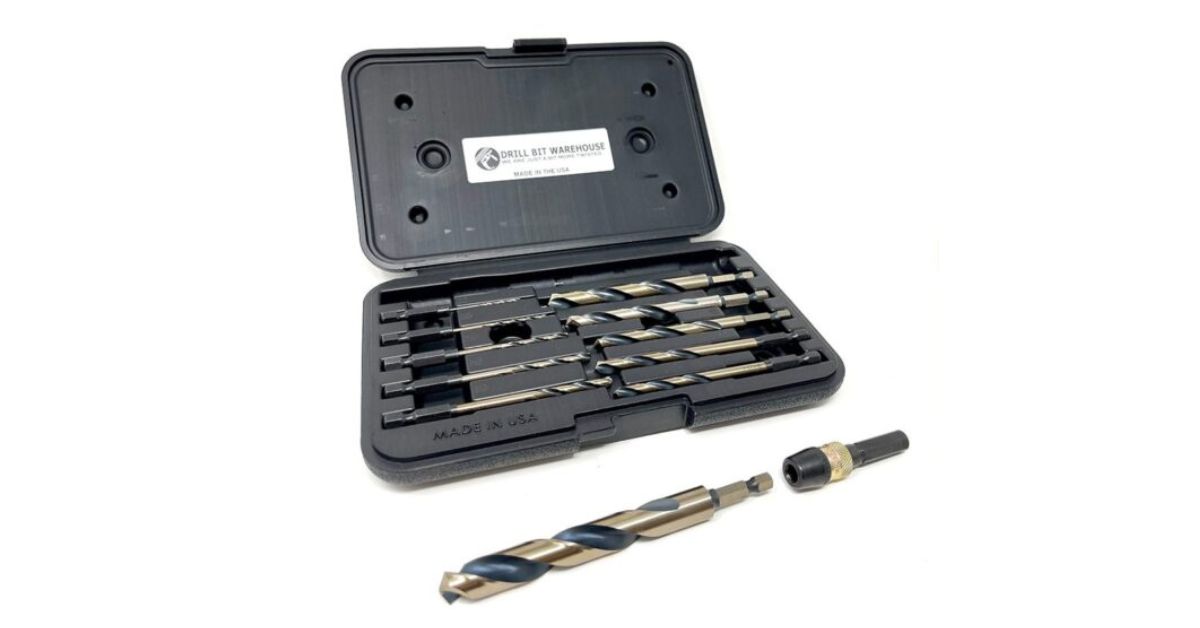
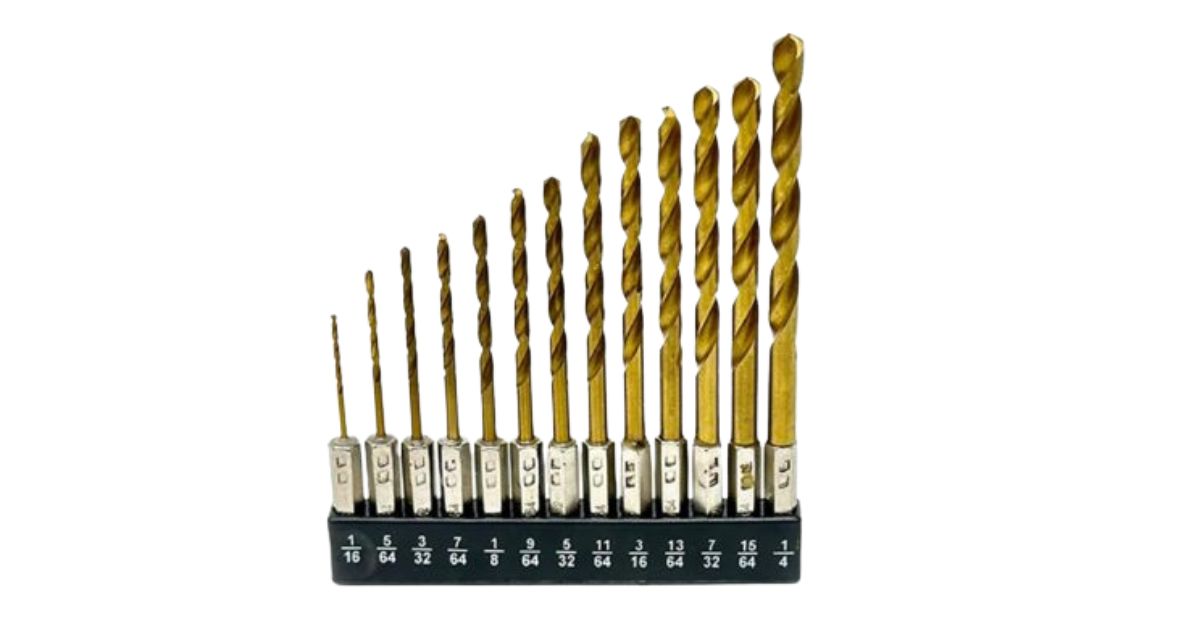
Cordless drills give you mobility without the electrical hazard of cords in wet environments. Choose models with adjustable speed controls. Lower speeds generate less friction and heat, which means less dust and fewer airborne particles. A high speed bit set provides versatility across multiple materials, but remember to match bit type and speed to your specific hazardous material.
Maintaining Your Equipment
Clean drilling equipment thoroughly after each use on hazardous materials. HEPA-filtered vacuums remove dust from tool surfaces. Inspect bits regularly for wear. Dull bits generate extra heat and dust.
Replace worn bits before they compromise your drilling quality or safety. Store drilling equipment used on hazardous materials separately from your standard tools. Label these tools clearly and keep them in sealed containers between uses.
Execute the Drilling Operation Safely
Once prepared, focus on technique to minimize dust. Start slowly, using the lowest effective speed to prevent fine dust. Apply steady, moderate pressure, allowing the bit to work without forcing it. For deeper holes, drill in stages, clearing debris and adding water as needed. Always position yourself away from direct dust contact. Remember to take frequent breaks, especially in challenging conditions, to maintain focus and safety.
Monitoring and Adjustments
Watch for signs that your dust control measures aren’t working. Visible dust means your containment or suppression methods need adjustment. Check your respirator seal regularly during work. Facial movements and sweat can break the seal. Perform a quick positive-pressure check by covering the exhalation valve and breathing out gently. Adjust your technique based on material response. Some surfaces require more water, others need slower speeds.
Clean Up and Decontaminate Properly
The job isn’t finished when drilling stops. Proper cleanup prevents secondary exposure. Never dry sweep hazardous dust. This sends particles airborne again. Use HEPA-filtered vacuum systems rated for hazardous material cleanup.
Wet-wipe all surfaces in the work area using disposable cloths and appropriate cleaning solutions. Work from high to low and from clean areas toward contaminated zones. It’s essential to bag all debris, plastic sheeting, and cleaning materials in heavy-duty disposal bags. Double-bag severely contaminated materials. Seal bags with duct tape and label them according to local hazardous waste regulations.
Personal Decontamination
Wash exposed skin thoroughly with soap and water. Pay special attention to hands, wrists, face, and neck. Shower as soon as possible after completing work. Wash hair thoroughly to remove any particles that settled despite head coverings.
Wash work clothes separately from other laundry. Some contaminated clothing requires professional cleaning or disposal rather than home washing. Change into clean clothes before entering your vehicle or home. Contaminated work clothes can spread hazards to seats, furniture, and family members.

Get the Right Tools for Safe Drilling
The risks of drilling hazardous materials demand respect, preparation, and the right equipment. Following proper protocols protects your health while delivering professional results.
Ready to equip yourself properly? Browse our drill bit selection at Drill Bit Warehouse for professional-grade bits designed to minimize dust and deliver clean cuts. From diamond core bits to precision high-speed options, we stock the tools you need when safely drilling through hazardous materials matters most.