
Penetrator Drill Bits vs. Core Bits: Which Should You Use?
Penetrator Drill Bits vs. Core Bits: Which Should You Use?
 2026-10-13T08:49:52-08:00
A drilling project might require a small anchor hole or a wide opening through reinforced concrete. Although both jobs involve similar materials, they call for different cutting methods. Knowing how penetrator drill bits compare with core bits helps you choose the right tool based on the opening you need and the conditions you’ll encounter.
The differences become clearer when you look at how each bit cuts, the materials it handles, and the equipment it requires.
1. Understanding How Penetrator Drill Bits Cut
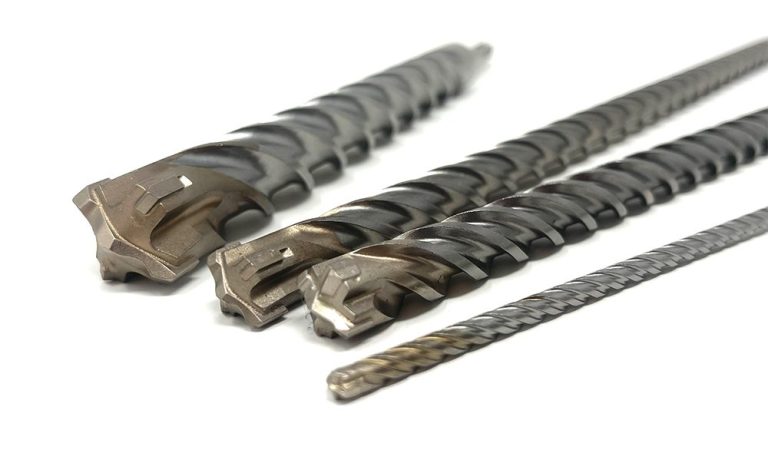
Penetrator drill bits remove material across the full hole diameter, making them suitable for smaller openings in concrete. Their carbide cutting edges can also cut through embedded rebar, which often makes conventional masonry bits struggle.
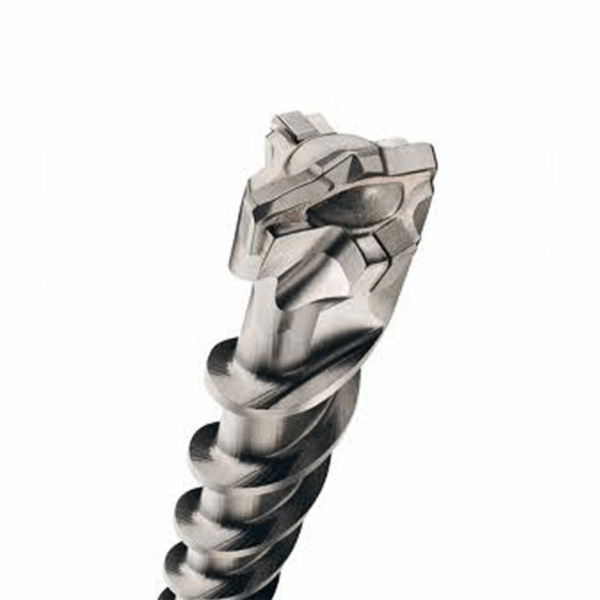
SDS-Plus penetrator bits fit compatible rotary hammer systems, allowing the hammering action to help the cutting edge advance through concrete. When the bit encounters steel reinforcement, its specialized cutting design allows drilling to continue without switching to a separate metal-cutting bit.
Common Applications for Penetrator Bits
Contractors often use penetrator bits when installing concrete anchors or mounting brackets. These applications require relatively narrow holes, sometimes in areas where reinforcement runs beneath the surface.
For example, drilling an anchor hole into reinforced concrete may bring the cutting edge into contact with rebar before reaching the required depth. A penetrator bit can handle that transition, provided the project permits cutting through the reinforcement.
2. How Core Bits Create Larger Openings
Core bits cut around the perimeter of a hole rather than removing material across its full diameter. As the cutting edge advances, it separates a cylindrical section of concrete that operators remove during or after drilling.
This cutting method makes core bits useful for larger openings, especially when installing plumbing lines or creating passages through concrete walls. Removing less material also reduces the amount of cutting required compared with a full-width bit of the same diameter.
Core bits come in wet diamond, dry diamond, and dry carbide designs. Each has different operating requirements, so the intended material and work environment matter.
3. Why Hole Diameter and Depth Matter
Hole dimensions provide a useful starting point when comparing drilling methods. Penetrator bits generally suit smaller openings, while core bits become more appropriate as the required diameter increases.
Depth also affects your selection, particularly when working through thick concrete. A penetrator bit needs sufficient usable drilling length, while a core bit must accommodate the required cutting depth and allow for core removal.
Common applications include:
- Penetrator drill bits: Anchor holes and fastening applications in reinforced concrete.
- Core bits: Larger openings for plumbing, ventilation, and building penetrations.
Because available dimensions vary by product, check the manufacturer’s specifications before starting. A bit with the correct diameter may still lack the cutting depth your project requires.
4. Drilling Through Reinforced Concrete
Steel reinforcement changes the cutting conditions beneath a concrete surface. When a conventional masonry bit hits rebar, its cutting edge may struggle to advance or get damaged.
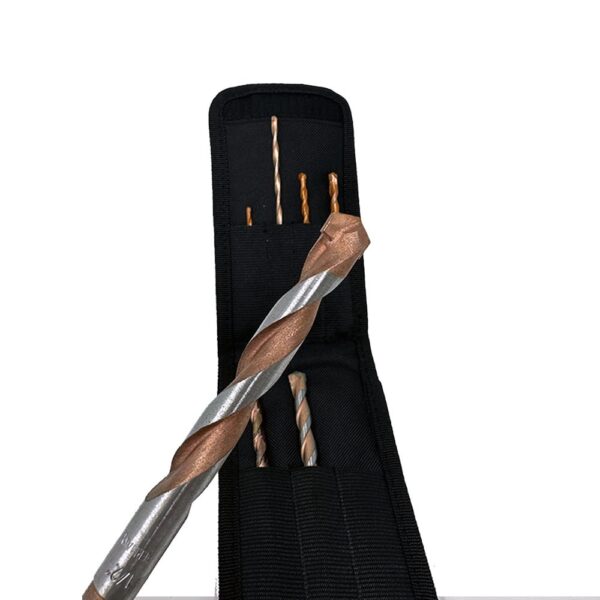
A penetrator drill bit for concrete and steel handles this transition with carbide cutting edges that can continue through embedded reinforcement. This makes it useful for smaller holes where unexpected contact with rebar might otherwise interrupt drilling.
For larger openings, diamond core bits rated for reinforced concrete can cut through embedded steel. Their performance depends on the segment design and the manufacturer’s operating recommendations.
Regardless of the cutting method, review the project’s structural requirements before drilling through reinforcement. The ability to cut rebar doesn’t automatically mean the project allows it.
5. Wet vs. Dry Core Bits
Core drilling produces heat and debris as the cutting segments move through concrete. Without proper heat management, excessive temperatures can accelerate cutting-edge wear and affect drilling performance. Understanding these differences can help you select a bit that matches the material and working conditions.
Wet Diamond Core Bits
Wet diamond core bits use water to cool the cutting segments and carry debris away from the hole. The continuous flow helps manage heat during extended drilling, particularly in dense concrete.
However, wet coring requires a water supply and a suitable way to collect slurry. Consider nearby surfaces and equipment when deciding whether the work area can accommodate moisture.
Dry Core Bits
Dry core bits operate without a continuous water supply, making them useful where wet cutting is difficult. Dry diamond and dry carbide designs serve different masonry applications, including certain radon mitigation installations.
Without water to carry away debris, dust management becomes especially important. Use appropriate dust collection and follow the manufacturer’s operating recommendations, particularly when cutting materials containing crystalline silica.
6. Matching the Bit to the Material
Concrete varies in hardness depending on its aggregate and reinforcement. A bit that cuts ordinary masonry efficiently may encounter greater resistance when working through dense concrete or embedded steel.
Penetrator bits with carbide cutting edges suit smaller holes in reinforced concrete. Core bits offer another cutting method for larger openings, although their capabilities depend on the cutting segments.
For example, some core bits handle unreinforced masonry, while others can cut through steel-reinforced concrete. Choosing a bit that matches the material reduces cutting-edge wear and maintains steady drilling progress.
Check the manufacturer’s material recommendations rather than assuming that every bit within a category handles the same surfaces.
7. Equipment and Shank Compatibility
The cutting method also determines which equipment you’ll need. Even when a bit matches the material and hole dimensions, its connection must fit the drilling equipment.
SDS-Plus penetrator bits work with compatible rotary hammer systems. The shank connection transfers the hammering action that helps the bit advance through concrete.
Core bits use different mounting arrangements depending on their construction and diameter. Larger diamond core bits commonly require dedicated core-drilling equipment that provides stable support during cutting.
Equipment stability becomes increasingly important as the opening grows. Check the mounting specifications and operating requirements before beginning the job.
8. Choosing the Right Bit for the Job
Understanding the differences between penetrator drill bits and core bits makes it easier to narrow your options, particularly when a project involves reinforced concrete.
Before selecting a bit, consider these questions:
- What diameter do you need? Match the cutting method to the opening.
- Will you encounter rebar? Check the bit’s reinforcement-cutting capabilities.
- How deep must you drill? Confirm the usable cutting depth.
- What equipment will you use? Verify the mounting connection and operating requirements.
The work environment also matters, especially when choosing between wet and dry coring. Consider how you’ll manage debris and whether the site can accommodate water before making your selection.
Making the Right Choice for Your Drilling Application
Choosing between penetrator and core bits depends on the hole dimensions and the material you’re drilling. Understanding their cutting methods helps you choose the right tool for the job. For help selecting the right bit, contact Drill Bit Warehouse today.