


Rotary Burr Safety Gear: What Every User Should Wear

Rotary Burr Safety Gear: What Every User Should Wear
 2026-04-20T07:39:42-08:00
Precision work with rotary tools demands attention to safety at every step. Rotary burr safety gear plays a direct role in protecting users while maintaining control during high-speed applications. At the same time, understanding what every user should wear helps reduce exposure to debris, dust, and tool-related hazards.
Rotary burrs remove material quickly, which increases the need for proper protection across multiple areas of the body. A consistent approach to safety supports better accuracy, steadier handling, and fewer interruptions during the job.
Keep reading our guide to break down the gear that supports safe, efficient rotary burr use.
Why Proper Gear Supports Safer Rotary Burr Operation
Rotary burrs generate force, heat, and debris in a short amount of time. As a result, small mistakes create unnecessary risk. Proper gear reduces that risk while supporting cleaner, more controlled work.
Each piece of equipment serves a purpose. Eye protection blocks debris, respiratory gear manages airborne particles, and gloves improve grip and control. When combined, these elements create a safer and more productive working environment.
Workers who commit to consistent safety practices gain better control over their tools. That control leads to cleaner finishes and fewer disruptions. Over time, the right setup supports both safety and output without slowing the workflow.
Eye Protection: Shielding Against High-Speed Debris
Eye protection protects against flying chips and sharp fragments. Rotary burrs eject material in multiple directions, especially when working on harder surfaces.
Safety glasses with side shields provide a strong baseline coverage. However, goggles offer more complete protection when debris levels increase. Clear lenses enhance visibility, helping maintain precision throughout the cut.
Select eye protection that:
- Fits securely without shifting
- Provides full side coverage
- Meets ANSI safety standards
Scratched or poorly fitted lenses interfere with accuracy. Clean, well-maintained eye protection supports consistent results and reduces distractions during detailed work.
Respiratory Protection: Controlling Dust Exposure
Rotary burr applications produce fine dust, especially when shaping metals or composites. These particles remain airborne and enter the respiratory system without proper protection.
Respirators or dust masks reduce exposure to these particles. A snug fit improves filtration performance, while proper filter selection supports the specific material being cut.
Ventilation also plays a role. Pairing respiratory gear with airflow systems improves air quality and reduces buildup in the workspace. Clean air supports longer working sessions and steadier focus.
Hand Protection: Maintaining Grip and Control
Hands stay closest to the tool, which makes protection and control equally important. Gloves improve grip while reducing direct exposure to sharp edges and hot surfaces.
Choose gloves that allow flexibility without sacrificing durability. Bulky gloves limit precision, while thin materials wear out quickly under repeated use. A balanced design supports both control and protection.
A secure grip allows better handling during detailed cuts. As a result, users maintain steadier pressure and avoid unnecessary slips.
Hearing Protection: Managing High-Speed Tool Noise
Rotary tools operate at high speeds, producing consistent noise during use that can lead to hearing impairment over time and contribute to user fatigue. Prolonged exposure to this noise increases the risk of long-term hearing damage, making hearing protection essential. Earplugs and earmuffs effectively reduce noise levels, supporting better concentration and ensuring safety.
Lower noise environments help users maintain focus on proper technique and precise tool movement, which can improve work quality. Consistent use of hearing protection not only safeguards hearing health but also enhances long-term comfort by reducing strain during extended operation sessions.
Protective Clothing: Reducing Skin Exposure
Clothing protects against sparks, debris, sharp fragments, and hot surfaces. Long sleeves and durable materials act as a barrier, reducing direct contact with hazards and minimizing skin injuries. Avoid loose-fitting garments, as they can catch on rotating tools or machinery, increasing the risk of accidents.
Instead, select fitted clothing that allows freedom of movement while preventing entanglement. Durable fabrics such as heavy-duty cotton or fire-resistant materials withstand repeated exposure to friction, debris, and heat.
Wearing the right protective clothing not only enhances safety but also improves mobility and comfort across various work environments, contributing to a safer and more efficient workspace.
Footwear: Building a Stable Foundation
A stable footing is essential for maintaining control when using a rotary burr. Footwear equipped with slip-resistant soles helps reduce movement on smooth or dusty surfaces, enhancing safety. Closed-toe designs protect against falling tools or debris that could cause injury.
Also, strong soles improve balance, which in turn helps maintain consistent pressure during cutting operations. A stable stance supports precision work, allowing users to maintain control over longer cuts without shifting position, thereby increasing accuracy and safety.
Workspace Setup and Safety Habits
Protective gear works best when paired with a well-organized workspace. Clean, stable surfaces reduce distractions and allow better focus on the task.
Secure the material before starting and confirm tool stability. Clear the surrounding area to prevent interference during operation.
Practical Safety Habits for Rotary Burr Use
- Inspect tools before each session
- Maintain a firm, controlled grip
- Keep the work area free of loose debris
- Use steady, consistent pressure
- Pause during extended operation to reset focus
These habits strengthen the effectiveness of rotary burr safety gear and reinforce what every user should wear during every stage of the process.
Choosing Gear Based on Application Type
Different materials create different risks. Metalwork produces sharp fragments, while composites release fine dust. As a result, gear selection should match the application.
Heavy-duty applications call for full protection, including respirators and sealed eye coverage. Lighter tasks still require baseline protection to reduce exposure.
Matching gear to the task improves efficiency. It also helps extend the lifespan of safety equipment by preventing unnecessary wear.
Quick Tip
A simple way to stay consistent is to set up gear in advance for each type of job. Keep separate kits or designated storage for metalwork, composite work, and general use. This approach reduces setup time and keeps the correct protection within reach before starting any task.
Build a Safer Setup With the Right Tools and Gear
A safe workspace starts with the right approach to protection and tool selection. Gear supports safety, while tool quality supports performance. Together, they create a more controlled and efficient workflow.
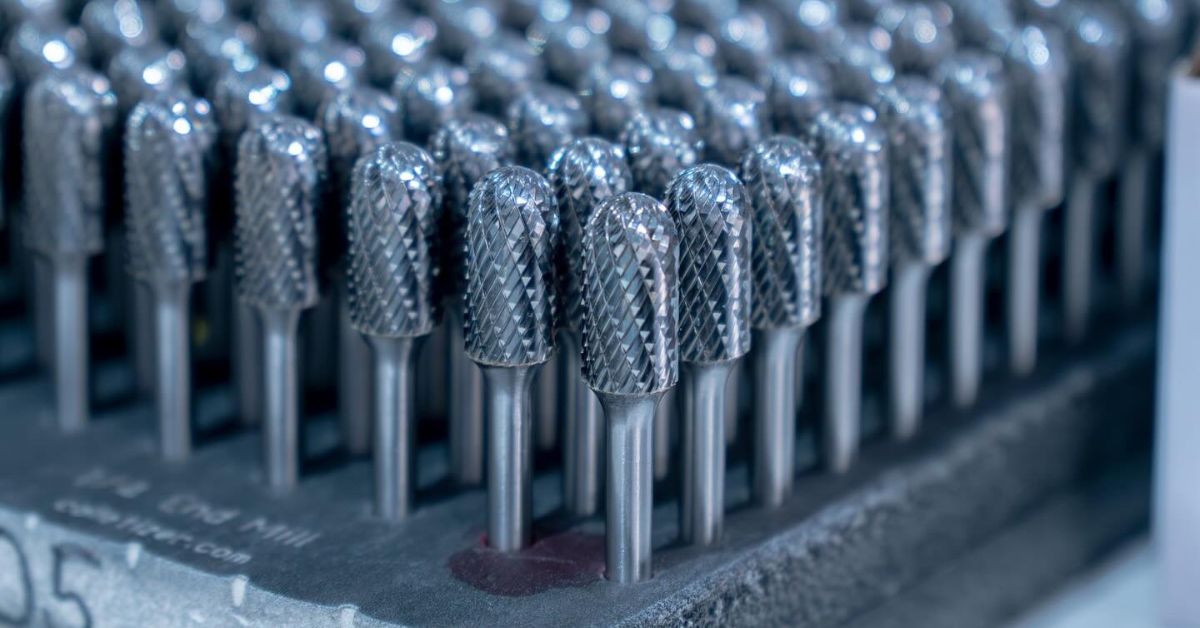
Professionals who prioritize safety also pay attention to tool performance. High-quality carbide burr bits deliver consistent cutting results and support smoother operation across demanding materials.
Explore DrillBitWarehouse for dependable tooling options that align with your safety setup and support accurate, controlled results on every project.