

The Best Drill Bit Sets for Contractors vs. DIYers
The Best Drill Bit Sets for Contractors vs. DIYers
 2026-11-05T09:10:16-08:00
Contractors and DIYers may use the same drill bit sizes, but their workloads often call for different assortments. A set that handles occasional repairs may lack the replacement sizes a busy metalworking shop needs. Meanwhile, a large professional assortment can leave homeowners with bits they’ll rarely use.
Finding the best drill bit sets for contractors vs. DIYers starts with understanding how drilling conditions influence tool selection. The right assortment should provide dependable cutting performance and enough flexibility to handle the work you encounter.
1. Consider How Often You’ll Use Each Drill Bit
Drilling frequency influences how quickly cutting edges wear and which sizes see the most use. Contractors who drill regularly often rely on certain diameters throughout the workday, while others remain untouched for weeks.
Repeated use can wear down those frequently used bits, especially when drilling harder metals. Contractors may need several of the same diameter available to maintain their workflow without interruptions.
For DIYers, a single assortment may last considerably longer. Someone handling occasional metal repairs might use only a few sizes each month, with little need for duplicate bits.
Understanding your drilling frequency helps establish what your set needs to handle over time.
2. Match Drill Bit Materials to Your Applications
The material you’re drilling directly affects cutting performance. Mild steel generally places fewer demands on a drill bit than stainless steel, which can generate considerable heat during cutting.
High-speed steel (HSS) works well for many routine metal-drilling applications. Contractors doing general fabrication or maintenance may find HSS suitable for easier-to-machine metals.
Cobalt drill bits resist heat-related softening, making them useful for tougher metalworking applications. Contractors who frequently drill stainless steel may benefit from their ability to maintain cutting-edge hardness under demanding conditions.
DIYers can use either material depending on the project. The key consideration is how the cutting material responds to the workpiece, not how often someone uses the drill.
3. Understand the Value of a Wider Size Range
A broad drill bit assortment can be useful when hole dimensions vary between projects. Contractors working from different specifications may encounter sizes that fall outside a basic fractional set.
Having those diameters available allows work to continue without searching for a separate bit. However, a larger assortment may offer limited advantages when most projects call for the same measurements.
DIYers generally use fewer hole sizes, especially for routine metal repairs. A compact assortment can provide enough variety without occupying excessive storage space.
Pay attention to the increments between diameters. Two sets may have similar numbers of bits but cover different size ranges.
The appropriate selection depends on the measurements your projects require, including any less common diameters.
4. Keep Frequently Used Sizes Available
Even a well-maintained drill bit set eventually develops gaps as individual bits wear or break.
Contractors often experience uneven wear across an assortment. A diameter used repeatedly for fastener holes may require replacement long before the remaining bits show noticeable wear.
Keeping spare bits in commonly used sizes helps prevent delays when a cutting edge becomes dull. It also allows contractors to maintain their existing assortment without replacing the whole set.
DIYers may encounter similar situations, although less frequently. When a bit is damaged, replacing it can restore the set’s usefulness.
You don’t need to replace every bit in a complete assortment at the same time. Maintaining the sizes you use most helps extend its working life.
5. Know When Specialized Drill Bits Make Sense
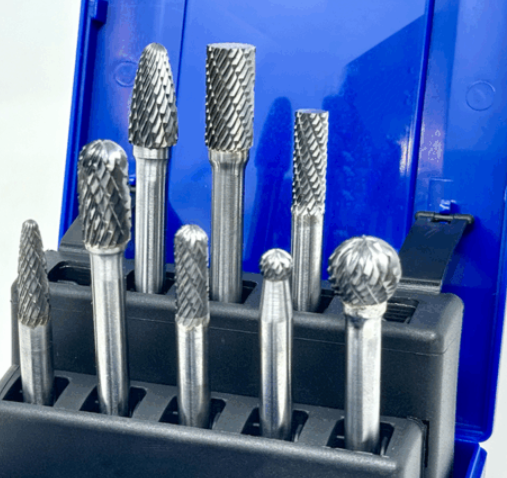
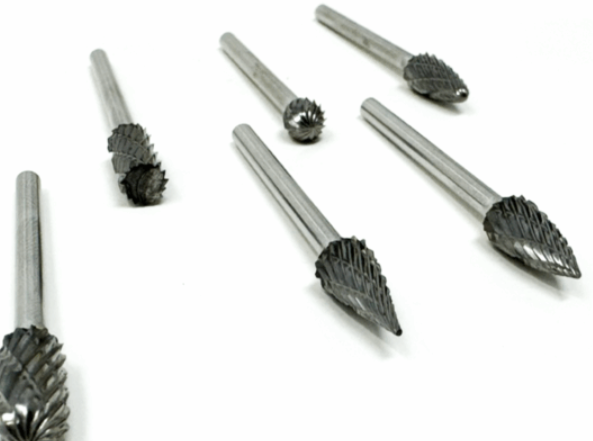
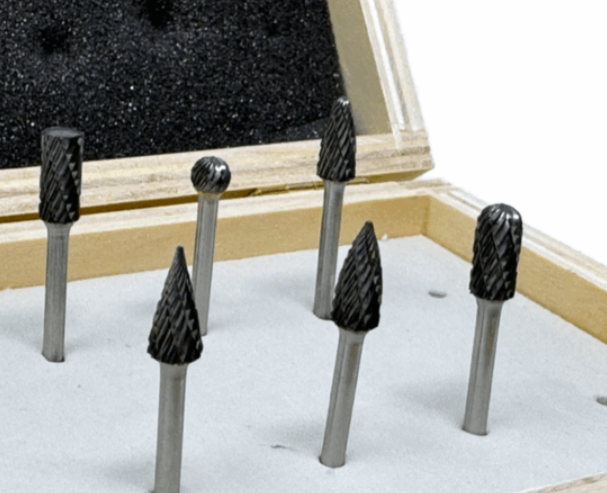
Some drilling applications require cutting materials with properties beyond those of standard HSS. Carbide offers high wear resistance, making it useful for certain precision metalworking operations.
A carbide bit set may suit professional metalworkers who regularly drill abrasive materials using rigid machining equipment.
However, carbide has less tolerance for vibration and sideways movement than HSS. Unstable drilling conditions can chip the cutting edges, especially when the workpiece shifts during cutting.
Contractors working with suitable equipment may benefit from carbide’s wear resistance during repeated operations. For general maintenance or handheld drilling, HSS or cobalt may offer greater flexibility.
DIYers should consider the same limitations when working with specialized materials. The drilling setup matters as much as the bit’s hardness.
6. Consider Drill Bit Length and Hole Depth
Drill bit diameter determines hole width, but length affects how deeply the bit can cut and how easily it reaches the workpiece.
Standard jobber-length bits handle many common metal-drilling applications. Their proportions offer a useful balance between reach and rigidity, making them suitable for general workshop tasks.
Contractors sometimes need longer bits to reach recessed areas or drill deeper holes. However, greater length increases the risk of deflection, especially when the bit encounters resistance.
DIYers may rarely need extended-length bits, although thicker workpieces can create similar requirements.
Before starting a project, check the usable flute length rather than relying on overall length alone. A bit needs enough flute length to accommodate the required hole depth and allow chips to escape.
7. Account for Equipment and Workpiece Stability
Drill bit performance depends partly on how securely you hold the material and how consistently the bit enters the workpiece.
Contractors using drill presses or machining equipment often have greater control over alignment and feed pressure. This stability can support specialized cutting materials that perform best under controlled conditions.
DIYers using handheld equipment may encounter more movement during drilling. HSS and cobalt generally tolerate minor alignment changes better than solid carbide.
Regardless of experience, securing the workpiece helps prevent unwanted movement that can damage cutting edges or affect hole accuracy.
What Should You Check Before Drilling?
- Shank dimensions: Confirm compatibility with your equipment’s chuck or toolholder.
- Cutting speed: Match the speed to the drill diameter and workpiece material.
- Workpiece support: Secure the material to limit movement during cutting.
- Chip removal: Clear accumulated chips as appropriate to prevent interference with the cutting edges.
These considerations help maintain consistent drilling performance across different applications.
8. Maintain Your Drill Bit Set for Consistent Performance
Proper maintenance can extend the usefulness of a drill bit assortment, regardless of whether you use it professionally or occasionally.
Contractors should inspect frequently used bits for worn cutting edges, especially after drilling tougher metals. Continuing to use a dull bit can increase friction and make the next hole more difficult to complete.
DIYers should also examine their bits before beginning a project. Even with infrequent use, improper storage can expose cutting edges to damage or corrosion.
Return clean, dry bits to their designated positions after use. Keeping the assortment organized makes missing sizes easier to identify and helps protect cutting edges between jobs.
When a bit becomes dull, determine whether sharpening or replacement makes sense for its material and condition. Maintaining usable cutting edges supports more predictable drilling results.
Choose a Drill Bit Set That Fits Your Work
Selecting the best drill bit sets for contractors and DIYers comes down to understanding the materials you drill and the conditions your equipment can support. Contractors often need assortments that withstand repeated use, while DIYers may benefit from a smaller selection that handles varied projects.
At Drill Bit Warehouse, we carry HSS, cobalt, and carbide drill bit sets for different metalworking requirements. Browse our selection or contact our team for help finding a set that matches your drilling needs.