


The Difference Between Standard Masonry and Penetrator Bits
The Difference Between Standard Masonry and Penetrator Bits
 2026-07-30T08:17:37-08:00
[BANNER]
Concrete work can change fast once the bit gets below the surface. One hole may cut cleanly through block or poured concrete, while the next may hit dense aggregate or rebar. Knowing the difference between standard masonry and penetrator bits helps you choose a bit that matches the material before the job slows down.
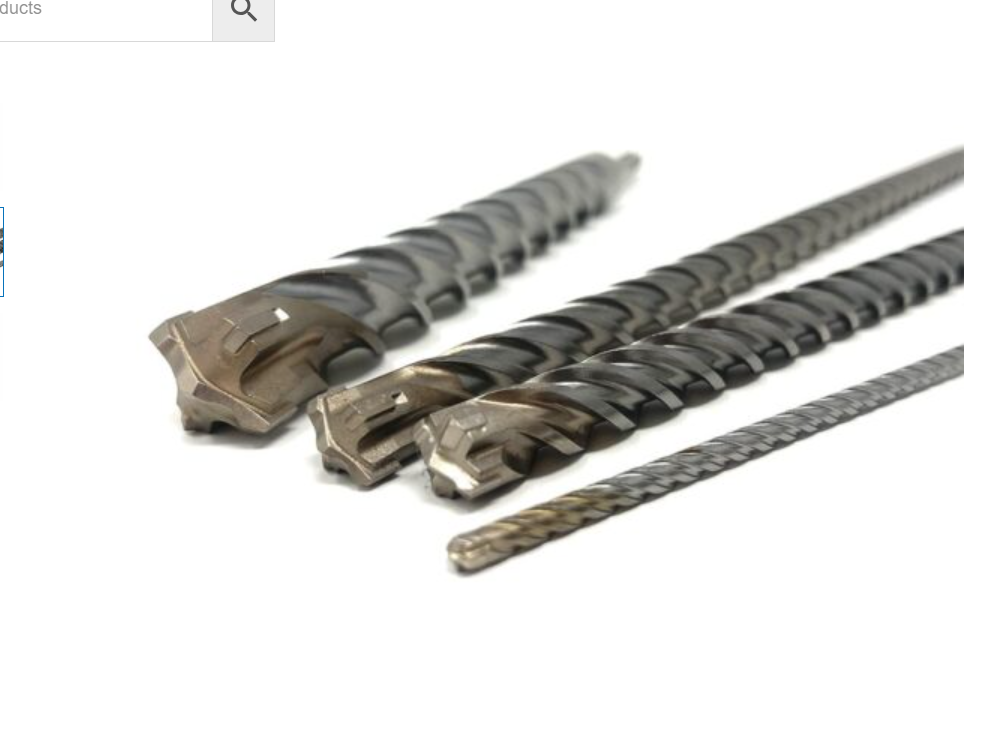
Standard masonry bits are suitable for everyday drilling in brick, block, and lighter concrete. Penetrator bits make more sense when reinforced concrete could put steel in the bit’s path.
Here are a few pointers to help you choose the right bit for the work ahead.
Start With the Material, Not the Bit
A bit of choice should start with the surface and what sits behind it. Brick, block, and mortar usually call for a standard masonry bit. These materials offer less resistance than reinforced concrete, which means the bit can cut without facing steel.
Concrete can vary from one hole to the next. One section may drill smoothly, while another may hit hard aggregate within seconds. Reinforced concrete adds another challenge because rebar can sit directly in the drilling path.
If the job involves unknown concrete, a penetrator bit gives the user more room for difficult conditions. If the work involves cleaning bricks or blocks, a standard masonry bit can handle the job without extra cost.
How Standard Masonry Bits Cut
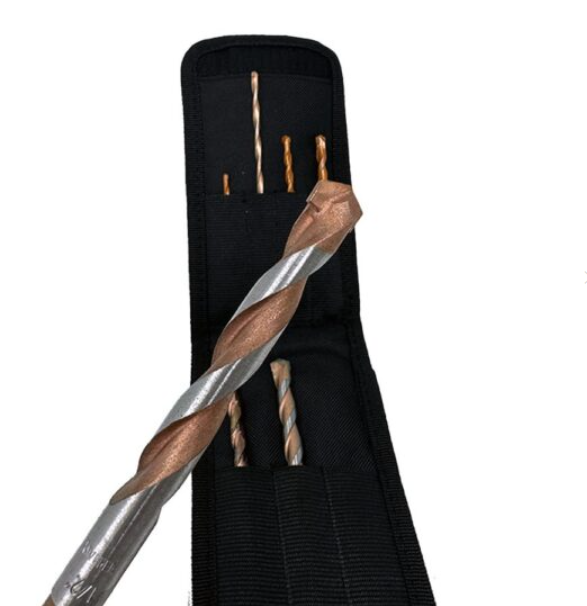
Standard masonry bits use a carbide tip that chips at the surface while the flutes move dust out of the hole. The design works well when the material stays consistent. That’s why these bits suit common anchor holes and light concrete work.
They don’t need an overly aggressive head to perform well in softer masonry. A sharp bit with steady pressure can make clean progress without much strain. The operator still needs to clear dust often because packed debris can slow the cut and heat the tip.
Standard masonry bits can wear quickly when the material gets harder than expected. Once the bit meets rebar, it may stop cutting or chipping. Pushing harder can make the damage worse.
How Penetrator Bits Handle Reinforced Concrete
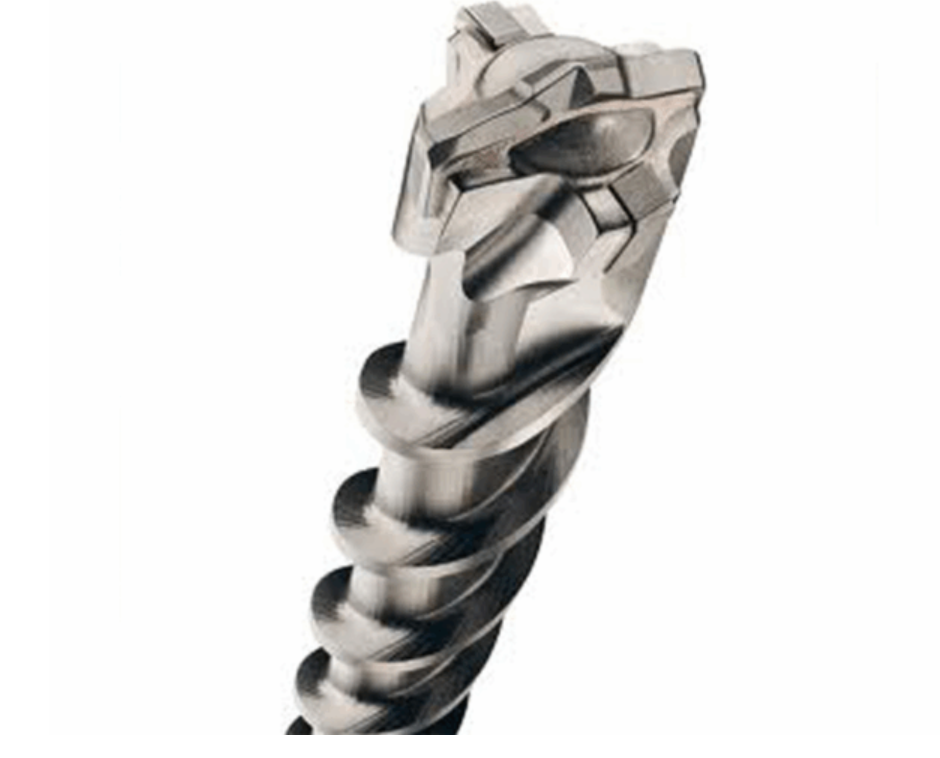
Penetrator bits serve a tougher purpose. They drill concrete that may contain embedded steel, which makes them a better fit for reinforced slabs and structural work. The head design helps the bit keep cutting when a standard masonry bit would likely stall.
Many penetrator bits use SDS-PLUS shanks, a common drive style for rotary hammer drilling. That shank helps transfer impact energy into the cut while keeping the bit secure. For buyers who often drill reinforced concrete, that combination can reduce bit changes and waste time.
A penetrator bit also helps when hole placement matters. If the anchor location can’t move, the bit needs to stay on course even when the hole meets steel.
Where Rebar Changes the Decision
Rebar changes the bit choice because it turns a masonry drilling job into a mixed-material job. Concrete asks the carbide tip to break mineral material. Rebar asks the bit to handle steel contact inside the same hole.
A standard masonry bit may work until it reaches the bar. At that point, progress can stop fast. The operator may pull the bit out, switch tools, or risk ruining the bit.
For work that may involve hidden steel, a concrete-and-rebar drill bit makes more sense than a general-purpose masonry bit. It helps the user keep drilling through reinforced material without treating rebar as a surprise failure point.
When a Standard Masonry Bit Makes Sense
A standard masonry bit still belongs in many toolboxes. It offers buyers a cost-conscious option for routine masonry work where the material doesn’t conceal steel. It also suits users who drill holes occasionally and don’t need a bit designed for reinforced concrete.
Use a standard masonry bit when the job involves brick, block, mortar, or light concrete with a low risk of rebar. It can also work well for shallow holes where the bit won’t encounter significant changes in aggregate depth. Choose a sharp bit, match the diameter to the fastener, and avoid excess pressure.
When a Penetrator Bit Makes Sense
A penetrator bit makes sense when downtime costs more than the bit. Reinforced concrete can punish basic bits, especially during repeated drilling. If a crew expects rebar, the stronger option can protect the schedule and reduce frustration.
Choose a penetrator bit when the job involves structural concrete, deeper holes, or anchor points that can’t shift. It also suits buyers who need a single bit to handle both concrete and steel in the same hole. The higher price usually makes sense when the work calls for that capability.
Shank Style Can Change Performance
The cutting head matters, but the shank also affects performance. A round shank can work for lighter drilling, especially in softer masonry. It fits many common chucks and handles basic jobs well.
SDS-PLUS shanks work better for drilling tougher concrete because they pair well with rotary hammer action. The bit can withstand a greater impact while remaining locked into the drive system. That matters when the hole gets deeper, or the material gets harder.
Buyers should check the drill drive before ordering. A bit can have the right head and still fail the job if the shank doesn’t fit the equipment.
Bit Life Depends on Technique
Even a high-quality bit needs proper handling. Heat, dust, and side pressure can shorten its life. The operator should let the bit cut rather than force it through the hole.
Pulling the bit out during drilling helps clear dust. That habit can lower heat and reduce binding. A straight hole also protects the carbide edge because side load can chip the tip.
Replace a bit when the tip looks rounded or damaged. A worn bit cuts slower and makes the drill work harder.
Pick the Bit That Matches the Risk
The clearest way to compare the differences between standard masonry and penetrator bits comes down to risk. Standard masonry bits fit cleaner, lighter masonry work. Penetrator bits may struggle in concrete that may fight back with rebar or dense aggregate.
Drill Bit Warehouse carries options for buyers who need dependable bits without overpaying for the wrong tool. Choose based on the material, the shank style, and the chance of steel inside the hole. That choice helps the bit last longer and keeps the finished hole closer to spec.