


The Dos and Don’ts of Using Wet Diamond Core Bits
The Dos and Don’ts of Using Wet Diamond Core Bits
 2025-11-18T09:22:52-08:00
Concrete cutting can make or break a job. One wrong move with your core bits, and you’re burning through equipment, wasting time, or worse, damaging the surface you’re working on.
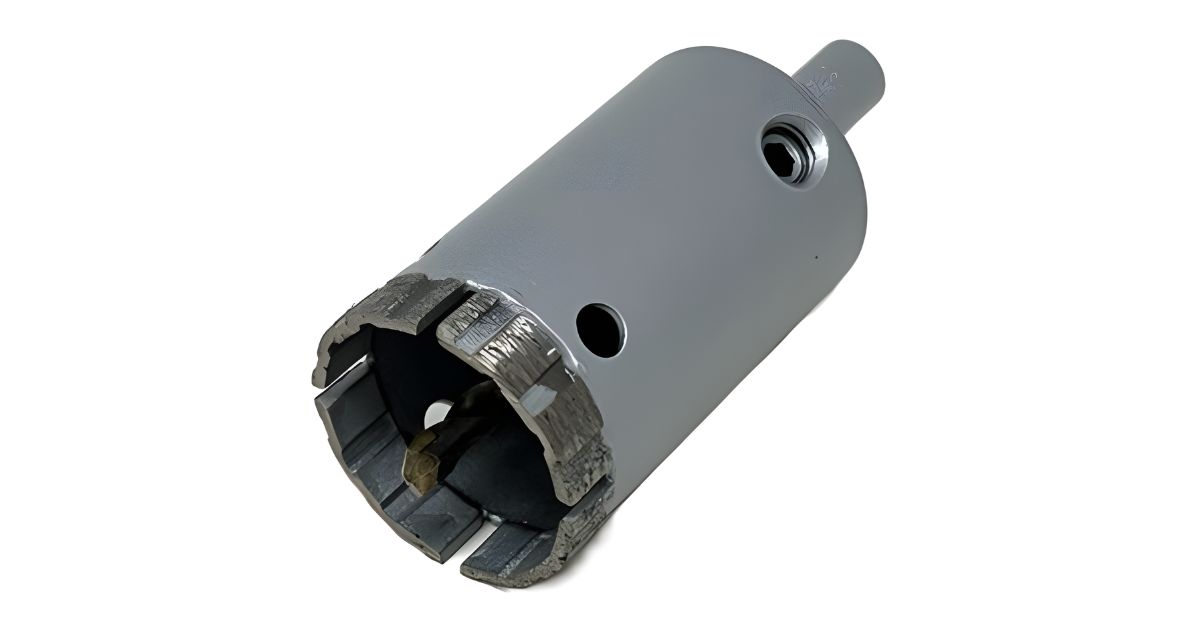
Wet diamond core bits are designed for precise cutting of concrete, masonry, and stone when used correctly. Misusing them can lead to premature wear, overheating, and subpar results. Whether you’re a contractor drilling anchor holes or a DIYing a home project, knowing how to handle these tools correctly can save you money and avoid frustration.
The dos and don’ts of wet diamond core bits aren’t just helpful tips; they’re the difference between a smooth job and a costly mistake. Let’s break down what you need to know.
Do: Use Water for Cooling
Water is a must when working with wet diamond core bits. The friction generated during drilling creates intense heat that can damage the bit’s diamond segments and weaken the bond holding them in place. Running water through the bit flushes away debris, keeps the temperature manageable, and extends tool life significantly.
Set up a consistent water flow before drilling. Many core drill rigs have built-in water delivery systems, but if you’re using a handheld drill, attach a water bottle or hose to the bit. The goal is a steady stream, not a trickle or flood. Too little water won’t cool effectively, and too much can create a muddy mess that obscures your work area.
Don’t: Run the Bit Dry
Never run a wet diamond core bit without water. Even a few seconds of dry drilling generates enough heat to glaze the diamond segments, rendering them useless. Once glazed, the diamonds lose their cutting ability, leaving you with an expensive paperweight.
If your water supply runs out mid-job, stop immediately. Let the bit cool before resuming. Pushing through without water might seem like a time-saver, but you’ll pay for it when the bit wears out prematurely.
Do: Match the Bit to the Material
Not all core bits are created equal. Wet diamond core bits come in different bond types designed for specific materials. Softer bonds work best on hard materials like reinforced concrete, while harder bonds work best on softer materials like asphalt or brick.
Using the wrong bond type accelerates wear and reduces cutting efficiency. Check the manufacturer’s specifications before purchasing. If you’re drilling through reinforced concrete with embedded rebar, consider upgrading to a bit designed for that exact application.

Don’t: Force the Bit Through the Material
Let the bit do the work. Applying too much pressure won’t make the process faster; it can damage the bit and strain your equipment. Wet diamond core bits rely on pressure distribution rather than force to cut.
Press steadily but firmly, letting the diamonds grind through at their own pace. If the bit stalls or slows noticeably, there’s a problem. Perhaps you’re pushing too hard, the water flow isn’t enough, or the bit is dull. Instead of forcing it, identify and fix the issue.
Do: Maintain Proper Speed
Speed matters. Running the bit too fast generates excessive heat and wears out the diamonds quickly. Running it too slow reduces cutting efficiency and wastes time. Most manufacturers provide recommended RPM ranges for their bits, so sticking to those guidelines is essential.
Core drill rigs typically offer variable speed settings. Start at a lower speed when beginning the hole to establish a clean entry point, then increase to the optimal range once the bit is engaged. Handheld drills may not offer as much control, but you can still adjust your pressure and technique to maintain consistent performance.
Don’t: Neglect Bit Maintenance
Your core bits are vital tools, but they aren’t indestructible. Make it a habit to inspect them thoroughly before and after every single job. Keep an eye out for cracked or missing diamond segments, worn-down cutting edges, or any damage to the barrel. After use, always clean the bit of debris. Concrete slurry hardens rapidly and can quickly clog water channels if left unremoved.
Proper storage is equally crucial. Please resist the urge to toss them into a toolbox with other equipment, where they’ll inevitably get damaged. Instead, use a designated case or rack to keep them perfectly organized and protected. This small commitment to care will significantly extend their lifespan and ensure peak performance when you need it most.
Do: Start with a Guide or Pilot Hole
Precision starts with proper setup. Wet diamond core bits can wander if they don’t have a stable entry point. Use a guide or drill a pilot hole to keep the bit centered and prevent slipping. This technique improves accuracy and reduces strain on the bit and your drill.
Some bits come with integrated pilot bits that create a starting point automatically. If yours doesn’t, mark the drilling location clearly and take your time establishing the hole. Rushing this step leads to crooked cuts and wasted materials.
Don’t: Ignore Safety Precautions
Concrete cutting creates hazards. Wet drilling reduces dust compared to dry methods, but you still deal with heavy equipment, rotating parts, and slippery surfaces. Wear safety glasses, gloves, and non-slip footwear. Secure the workpiece if possible, and keep bystanders clear of the area.
Water and electricity don’t mix. If you’re using a corded drill or rig, ensure your setup includes proper grounding and GFCI protection. Extension cords should be rated for wet conditions, and you should never operate equipment in standing water.
Do: Choose the Right Bit Size
Larger bits require more power to operate and generate more heat. If your drill doesn’t have enough torque, the bit will bog down or stall. Match the bit diameter to your equipment’s capabilities and the job’s demands.
A 1″ to 4″ diameter bit strikes the right balance between cutting capacity and manageability for most applications. Larger diameters (up to 14″ or more) are possible with professional core drill rigs, but those setups demand experience and proper equipment.
Don’t: Reuse Worn-Out Bits
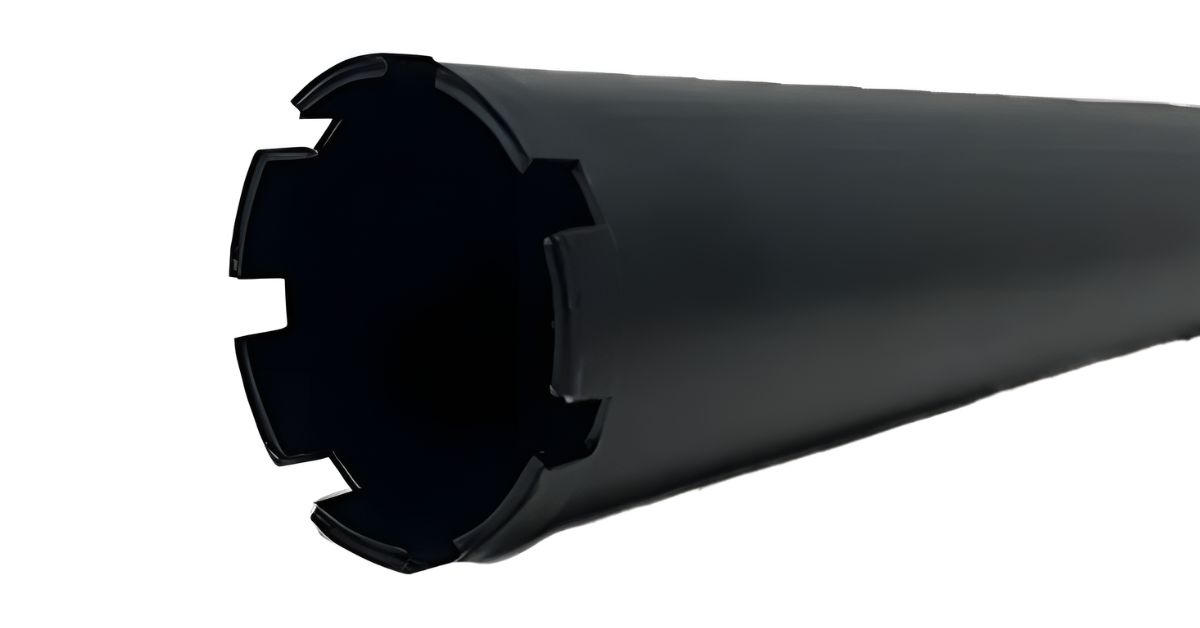
A dull bit is not just slow, but extremely dangerous. Worn diamonds reduce cutting efficiency, leading to overheating and stalling. While contractors sometimes try to squeeze extra life out of old bits, the risk is not worth the potential savings. When you notice a drop in performance, it is time to replace the bit.
Some bits can be professionally re-tipped or resharpened to extend their usability. However, this service costs money and requires downtime. You should weigh the expense against the cost of a new bit, especially if you have a heavy workload.
Choosing Quality Equipment Makes the Difference
The dos and don’ts of using wet diamond core bits boil down to respecting the tool and the material. Cut corners, and you’ll pay for it in downtime, damaged equipment, and subpar results. Follow best practices, and you’ll finish jobs faster while keeping costs under control.
At Drill Bit Warehouse, we supply professional-grade wet-diamond core drill bits for contractors who demand reliability. Our bits deliver clean cuts through concrete, masonry, and stone without compromising performance or safety. Browse our selection today and equip your crew with tools that get the job done right.