

The Importance of Drill Bit Selection in Bridge Construction
The Importance of Drill Bit Selection in Bridge Construction
 2026-10-05T06:46:35-08:00
Bridge construction can put drill bits against structural steel in one area and concrete in another. Some concrete sections also contain embedded rebar, which changes cutting conditions once a bit moves below the surface. Those differences make choosing by diameter alone a poor approach.
Understanding the importance of drill bit selection in bridge construction starts with matching the cutting tool to the material and hole requirements. Bit material, cutting geometry, working length, and shank style all influence how well a drill performs.
Choosing around those factors gives crews a better chance of maintaining steady cutting performance from the start.
Start With the Material at the Drilling Location
The material should narrow the bit choice before other details enter the decision. Structural steel and concrete require different cutting actions, which means they call for different drill bit designs.
Concrete bits typically use carbide at the cutting end to work against hard, abrasive aggregate. Metal-cutting bits rely on cutting edges and geometries suited to drilling steel.
Bridge work can involve both materials across the same project. Identifying what lies along the drilling path helps crews select a bit built for the application, rather than asking one bit type to handle work outside its intended use.
Match the Drill Bit to Structural Steel
Steel drilling places heat and cutting pressure at the drill point. Material grade and drilling conditions can influence which metal-cutting bit best fits the job.
High-speed steel offers a versatile option for many metal-drilling applications. Cobalt drill bits provide greater heat resistance and can handle harder, more abrasive metals. Carbide offers another option when the application calls for greater hardness and wear resistance.
Geometry matters here as well. Drill point design affects how the cutting edges enter the metal, while the flutes carry chips away from the hole. Selecting the right steel and drill helps the cutting edges work as intended, rather than relying on added pressure to force progress.
Prepare for Reinforced Concrete
Concrete presents another set of cutting conditions. Aggregate makes the material abrasive, while reinforcement can create a sudden transition from concrete to steel below the surface.
Standard carbide masonry bits suit many concrete applications when the drilling path doesn’t encounter reinforcement. When the approved hole location may cross embedded rebar, crews need a bit designed to handle both materials without interrupting the cut.
Considering reinforcement before drilling narrows the bit choice and prevents crews from relying on a standard masonry bit when a specialized design makes more sense.
Consider Diameter and Working Length Together
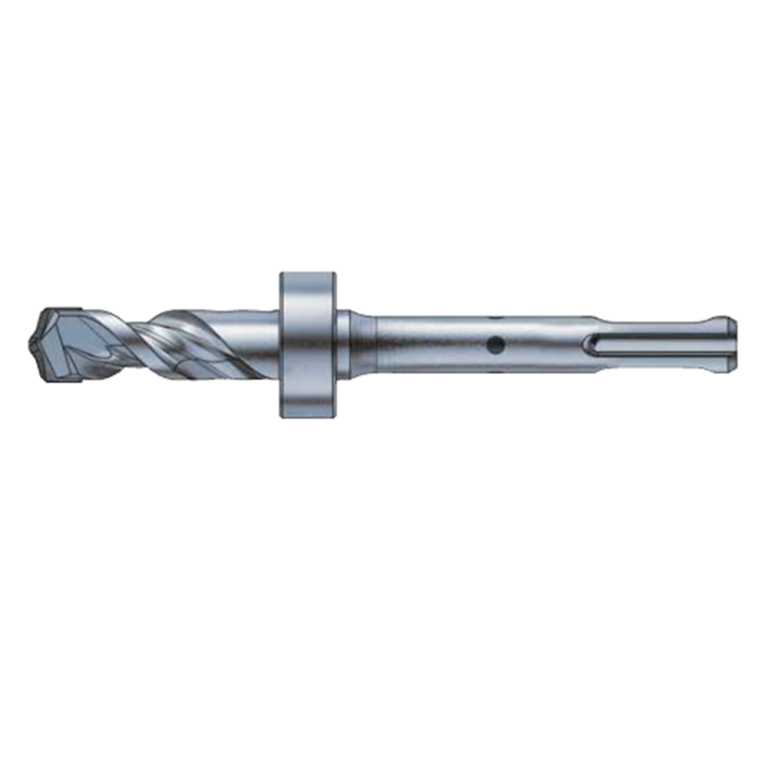
A drill bit needs the correct diameter for the required hole, though size selection doesn’t stop there. Working length determines how deeply the bit can cut before the shank or body limits progress.
FHWA construction specifications account for hole dimensions and drilling methods in applicable bridge and structural work. Project drawings and specifications should guide the required dimensions rather than assumptions made at the drilling location.
An excessively short bit can’t reach the required depth. Extra length can introduce flexibility that the hole doesn’t require. Matching both measurements gives the operator a bit suited to the actual drilling task.
Review the Drilling Requirements
Before selecting a drill bit, confirm:
- Hole diameter and required depth
- Material along the drilling path
- Shank compatibility with the drilling equipment
- Bit design recommended for the application
These details can quickly separate suitable options from bits that share the right diameter yet don’t fit the work.
Pay Attention to Drill Bit Geometry
Two bits of the same diameter can perform differently because of their geometry. The cutting point affects how the bit enters the material, while the flutes give removed material a path out of the hole.
In structural steel, flute design helps move chips away from the cutting area. Concrete creates dust and fragments that also need room to exit as drilling progresses.
For bridge work, crews should consider geometry alongside bit material and hole dimensions. Each feature should match the material and drilling conditions, not just the diameter.
Choose the Right Bit for Concrete Conditions
Concrete drilling conditions can change with aggregate and reinforcement. A bit that performs well in an ordinary concrete section may not suit a hole that passes through embedded steel.
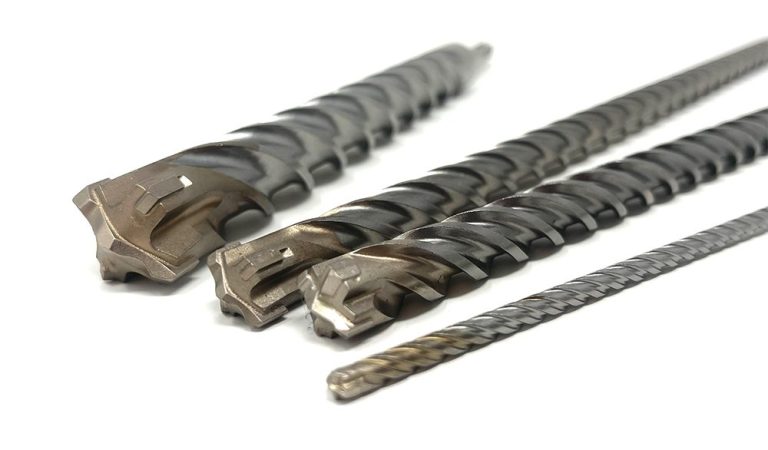
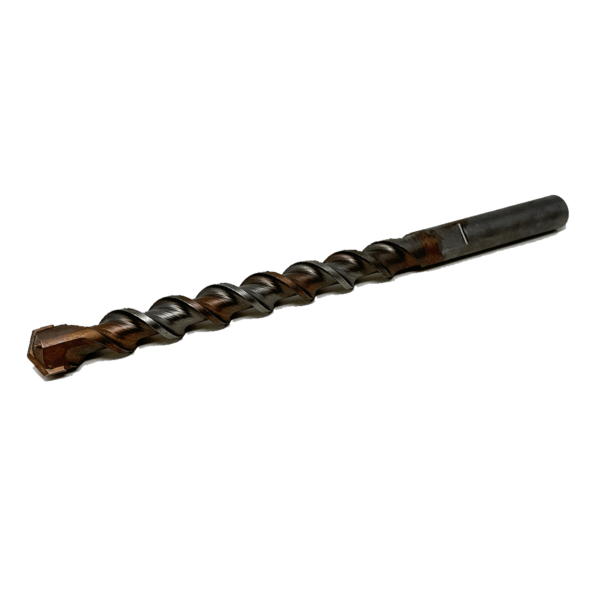
When crews need masonry drill bits for concrete, carbide cutting surfaces provide the hardness needed to work against abrasive aggregate. Straight-shank masonry bits can fit certain drilling setups, while SDS-Plus and SDS-Max designs cover other concrete applications.
Reinforcement should also influence your choice. A penetrator-style bit makes more sense when the approved drilling path may cross rebar, while a standard masonry design can serve applications that stay within compatible concrete.
Match the Shank to the Equipment
Choosing the right cutting edge requires ensuring it connects properly to the drilling equipment. The shank style dictates this connection and should be considered during the initial selection process, not afterward.
Straight-shank bits are compatible with equipment featuring a conventional chuck. SDS-Plus bits have a slotted shank that fits SDS-Plus-compatible tools. SDS-Max is designed for larger drilling tasks, with its own compatible drive system.
Choose for the Hole, Not the Material Name Alone
Knowing that a crew needs to drill “steel” or “concrete” only begins the selection process. The exact conditions can narrow the choice further.
A deeper hole may call for greater working length. Harder metal can place different demands on the cutting edge than a more machinable grade. Reinforced concrete can require a cutting design that handles the transition from abrasive concrete into steel.
These variables show why careful drill bit selection matters during bridge construction. Selecting around the hole itself helps crews account for what the cutting edge will encounter from the surface to the required depth.
Find the Right Drill Bit for Bridge Work
Bridge drilling can cover very different cutting conditions across a project. Matching the bit to the material, hole dimensions, and equipment gives crews a more informed starting point before drilling begins.
Drill Bit Warehouse carries metal-cutting drill bits along with concrete and reinforced-concrete options for demanding applications. If you’re selecting a bit for a specific material or hole requirement, contact Drill Bit Warehouse for help narrowing the available options.