


The Importance of Hammer Drills When Using Masonry Bits
The Importance of Hammer Drills When Using Masonry Bits
 2026-01-06T13:30:39-08:00
Drilling into materials such as concrete, brick, or stone presents unique challenges. Unlike wood or metal, these hard, aggregate materials require specialized tools to penetrate them efficiently and cleanly.
While a high-quality masonry drill bit serves as the point of contact, the drill itself supplies the force needed for success. Understanding the importance of hammer drills when using masonry bits helps contractors and DIYers alike achieve professional results, saving time, effort, and money on every project. Pairing the right bit with the right drill makes the difference between a clean hole and a damaged workpiece.
Selecting the wrong drill for a masonry bit can lead to frustration and poor results. A standard rotary drill, for example, lacks the specific action needed to break up aggregate materials. This mismatch causes the bit to spin in place, overheat, and dull prematurely.
A dull bit requires more operator force, which can lead to bit breakage or damage to the drill’s motor. Moreover, the lack of progress wastes valuable time on the job site. The correct tool combination not only speeds up the work but also protects the investment made in quality bits and power tools.
The Mechanics of a Hammer Drill
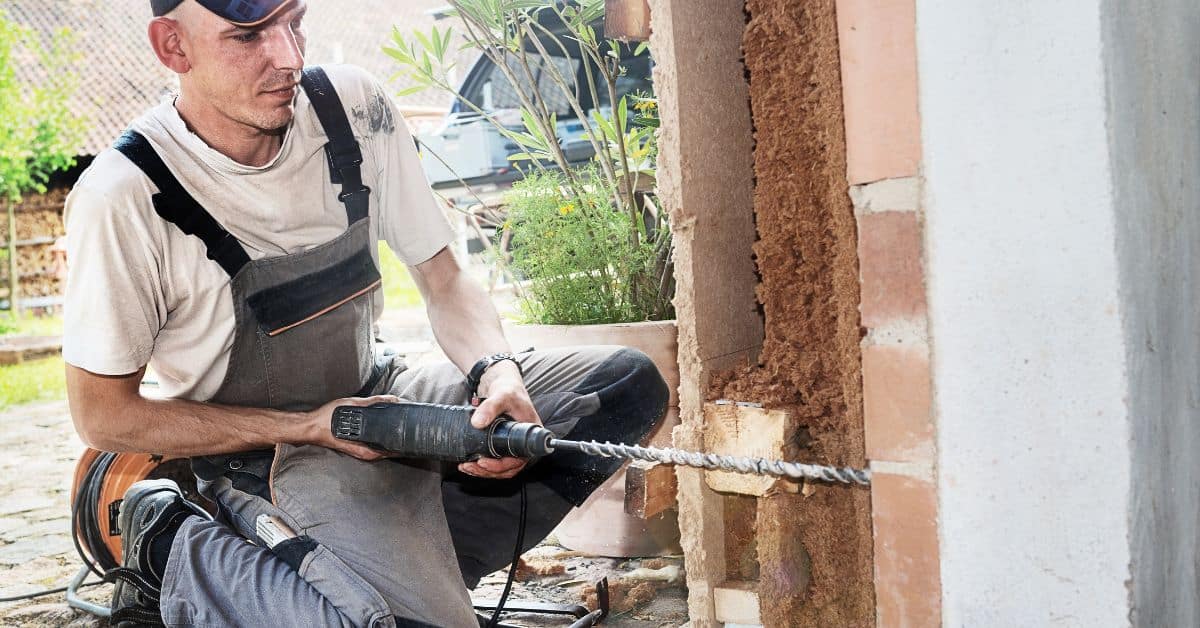
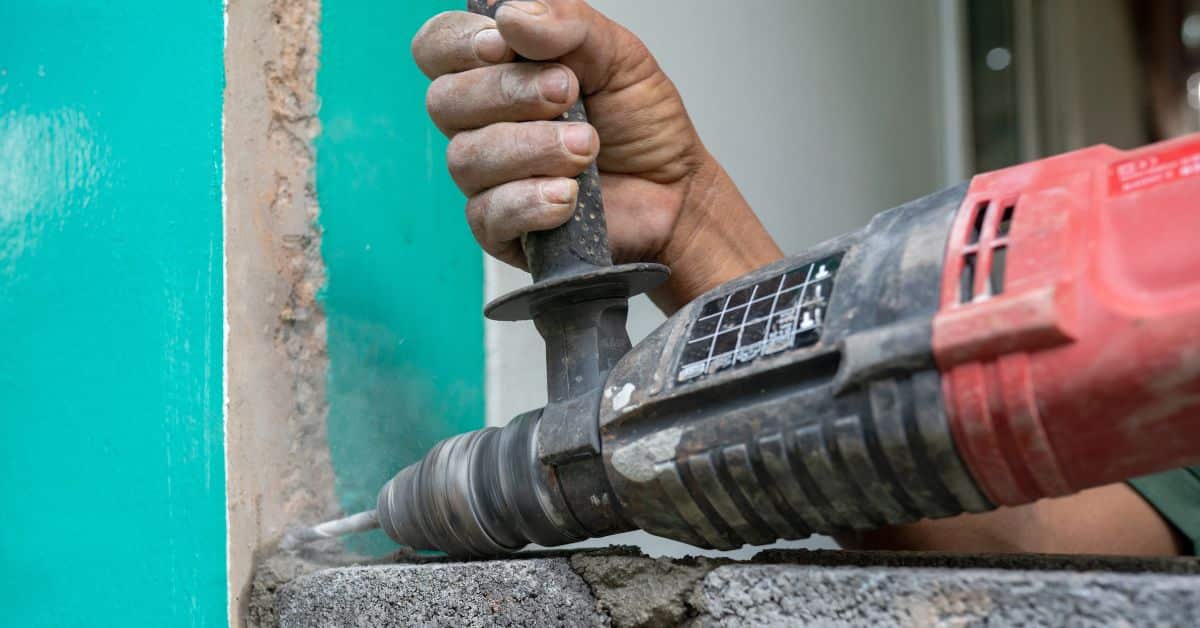
A hammer drill operates differently from a standard drill. It combines the rotational motion of a regular drill with a rapid, forward-and-back percussive action. This “hammering” motion works in conjunction with the spinning bit to chip away at hard materials like concrete and masonry. The carbide tip on the masonry bit pulverizes the material, and the drill’s flutes clear the resulting dust and debris from the hole.
This dual-action mechanism enables faster drilling into dense surfaces and reduces operator effort. The percussive blows break up the material directly in front of the bit’s tip, allowing the rotation to remove it. Without this hammering function, the bit would depend on friction and pressure to abrade the surface, a slow and inefficient process that generates excessive heat and wears down the bit.
Benefits of Pairing Hammer Drills With Masonry Bits
Using a hammer drill with a masonry bit offers several distinct advantages over using a standard rotary drill. These benefits translate to better performance, increased safety, and a longer lifespan for your tools.
Increased Efficiency and Speed
The primary advantage of this tool combination is speed. The hammering action breaks up hard materials far more quickly than rotation alone. This allows you to complete drilling tasks in a fraction of the time, boosting productivity on the job. For contractors, this means finishing projects faster and moving on to the next task. For homeowners, it means less time spent on demanding physical labor.
Improved Drilling Accuracy
The percussive action helps keep the drill bit from “walking” or wandering across the surface when you first make contact. This stability enables you to create clean, accurately placed holes.
Precise holes are critical for tasks such as installing anchors or fasteners, or running electrical conduit, where placement affects the structural integrity and final appearance of the installation.
Extended Tool and Bit Life
When you use a standard drill in masonry, the high friction and pressure generate significant heat. This heat can quickly dull the carbide tip of the masonry bit, rendering it useless.
It also puts a heavy strain on the drill’s motor. A hammer drill’s percussive force does most of the hard work, reducing friction and keeping both the bit and the tool cooler. This extends the operational life of your equipment, protecting your investment.
Reduced Operator Fatigue
Forcing a standard drill through concrete requires considerable physical effort. The operator must apply constant downward pressure to make any progress. A hammer drill, conversely, performs the work for you.
The tool’s internal mechanism delivers the force, allowing the operator to guide the drill with much less physical strain. This reduction in fatigue makes a huge difference on large projects that require drilling many holes.
When a Standard Drill Will Not Suffice
While a standard rotary drill can sometimes create a hole in softer brick or cinder block with a masonry bit, the process is slow and damaging to the tool. For denser materials such as poured concrete or hard stone, a standard drill lacks sufficient torque.
Here are some situations where a hammer drill becomes a necessity:
- Poured Concrete: Drilling into concrete slabs, foundations, or walls requires the decisive chipping action of a hammer drill.
- Hard Stone and Granite: These natural materials are incredibly dense and will quickly wear down a bit when used in a standard drill.
- Brick and Mortar: While softer bricks may yield to a rotary drill, harder, engineered bricks and old mortar joints often require a hammer drill.
- Repetitive Drilling: Any project that involves drilling multiple holes into masonry will proceed much faster and with less effort when using a hammer drill.
Understanding the importance of hammer drills when using masonry bits helps you recognize that, for any serious masonry work, a hammer drill becomes a requirement rather than a convenience.
Selecting the Right Masonry Bit for Your Hammer Drill
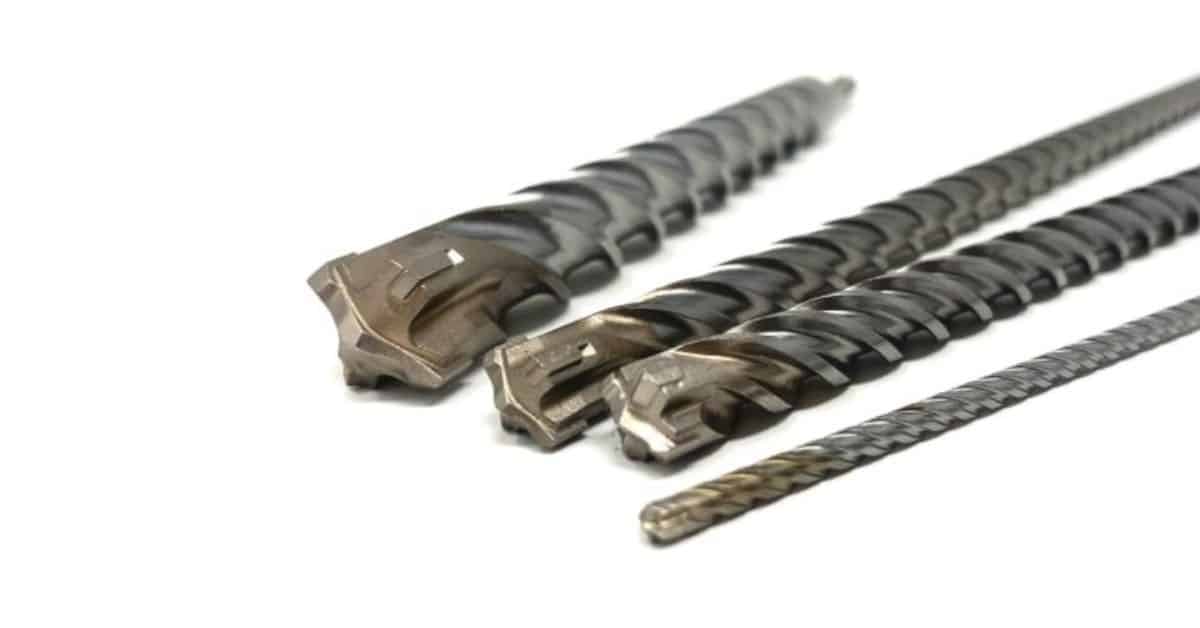
Just as the drill matters, so does the bit. Masonry bits feature a hardened carbide tip designed to withstand the percussive forces and abrasion associated with drilling hard materials. They also feature deep, wide flutes to remove dust efficiently.
When choosing a bit, consider the following:
- Shank Type: Hammer drills come with different chucks, most commonly SDS-Plus or SDS-Max. These systems lock the bit into the chuck, preventing it from slipping during intense hammering. A standard round-shank masonry bit will not work in an SDS chuck without an adapter, and it may slip in a traditional three-jaw chuck under load.
- Bit Material: Look for bits with high-quality carbide tips. Premium bits often feature specialized tip geometries for faster drilling and longer life.
- Flute Design: A well-designed flute clears debris quickly. If dust accumulates in the hole, it increases friction and heat, slowing the drilling process.
Finalizing Your Drilling Projects
Having the right tools for the job produces better results while creating a safer, more efficient work environment. A hammer drill delivers the power and percussive action needed to tackle concrete, brick, and stone with ease, while a quality masonry bit ensures clean, precise holes and withstands tough jobs.
For professionals and serious DIYers, this combination saves time, reduces physical strain, and keeps your equipment in top shape. Ready to upgrade your toolkit? Invest in a hammer drill and a reliable set of asphalt drill bits from DrillBitWarehouse today and experience the difference in productivity and performance!