


The Role of High-Speed Drill Bits in Aerospace Manufacturing
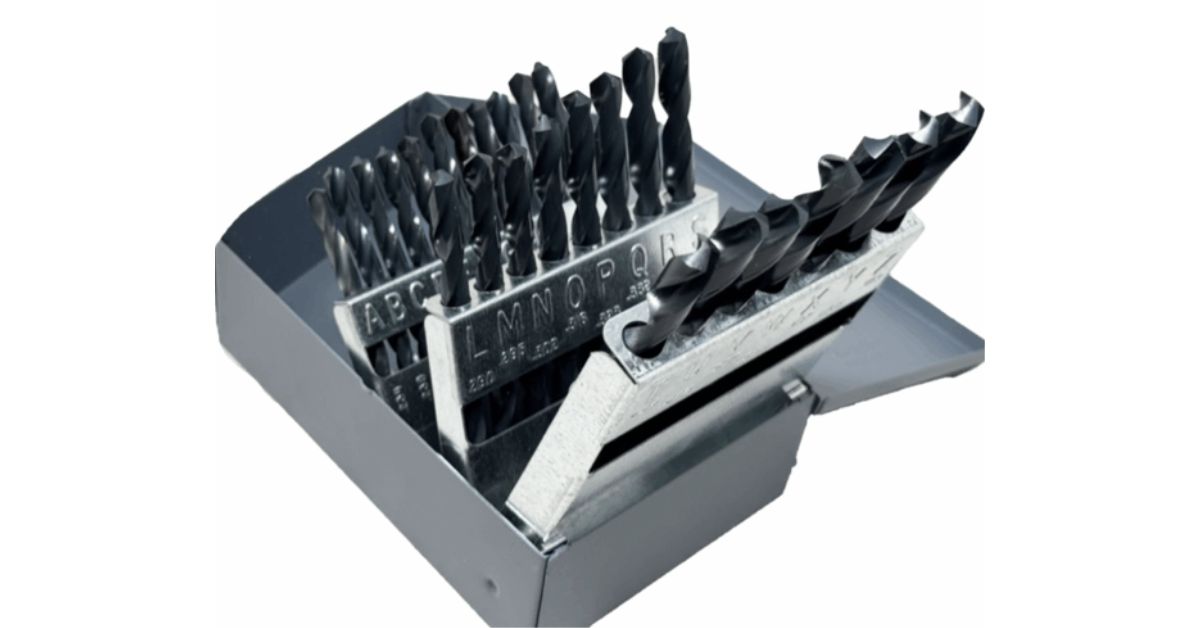
The Role of High-Speed Drill Bits in Aerospace Manufacturing
 2026-02-11T10:13:03-08:00
In the high-stakes world of aerospace manufacturing, precision isn’t just a requirement; it’s a lifeline. Every component, from the massive fuselage to the smallest fastener, must meet rigorous standards to withstand the extreme conditions of flight. Among the unsung heroes of this process are high-speed drill bits. These specialized tools are essential for creating the thousands of precise holes required in aircraft assembly and for working with some of the toughest materials in engineering.
Aerospace manufacturing requires tools capable of processing advanced composites, titanium, and heat-resistant superalloys without compromising integrity. The role of high-speed drill bits in aerospace manufacturing is central to maintaining structural integrity and production efficiency. By understanding how these bits function and why they differ from standard tooling, manufacturers can achieve the superior results necessary for flight-ready hardware.
Demands of Aerospace Materials
Aerospace engineers continually advance material science to develop lighter, stronger, and more heat-resistant aircraft. As a result, materials like carbon fiber-reinforced polymers (CFRP), titanium alloys, and Inconel present machining difficulties.
Standard drill bits often fail when faced with these substances. They dull quickly, generate excessive heat, or cause delamination in composites. This is where high-speed steel (HSS) and cobalt-based variants become relevant. Designed to retain hardness at elevated temperatures, these bits slice through tough alloys rather than grinding them away.
Heat Resistance and Durability
Friction generates intense heat during drilling, especially with titanium and stainless steel. If a drill bit loses its temper (hardness) due to heat, it dulls instantly. High-speed drill bits are formulated with elements such as tungsten, molybdenum, and cobalt to withstand temperatures that would degrade carbon steel bits. This heat resistance enables the bit to maintain a sharp cutting edge for longer, reducing downtime from tool changes.
Precision in Composite Drilling
Composites like carbon fiber are abrasive and prone to splintering. A dull or incorrect bit can cause the composite layers to separate, a phenomenon known as delamination, thereby damaging expensive parts.
High-speed bits designed for aerospace applications often feature specific geometries, such as split points or specialized flute designs, to cut fibers cleanly and efficiently evacuate dust. This precision prevents structural weaknesses around fastener holes.
Efficiency on the Production Line
Time is a critical resource in manufacturing. An aircraft requires tens of thousands of holes for rivets and bolts. If a drill bit fails every few dozen holes, the cumulative downtime for tool replacement becomes a major bottleneck.
Using high-quality, high-speed drill bits greatly improves throughput. These tools operate at higher RPMs (rotations per minute) without degrading performance, enabling machinists and automated CNC machines to work faster.
Reducing Work Hardening
Materials such as stainless steel and titanium exhibit a property known as work hardening. If a drill bit dwells in the hole without cutting effectively, the friction hardens the material, making it nearly impossible to drill further.
High-speed bits, particularly those made of cobalt alloys (such as M35 or M42), cut aggressively enough to prevent this phenomenon. They keep the process moving forward, avoiding scrapped parts and wasted labor hours.
Consistency Across Thousands of Cycles
Aerospace assembly relies on consistency. A hole drilled on Monday must meet the same tolerance as a hole drilled on Friday. High-speed drill bits provide the structural integrity required to maintain strict tolerances throughout their service life.
This reliability ensures that rivets and fasteners fit precisely every time, thereby maintaining the aircraft’s aerodynamic and structural integrity.

Selection Criteria for Aerospace Drill Bits
Choosing the right tool involves more than just picking a size. Aerospace manufacturers must consider the specific alloy, hole depth, and machine type.
Material Compatibility
- Cobalt Drill Bits: Ideal for drilling titanium and high-tensile steel. Adding cobalt (typically 5%-8%) increases the tool’s red hardness.
- Carbide bits: While harder than HSS, carbide can be brittle. In aerospace, solid carbide or carbide-tipped bits are often used for highly abrasive composites where edge retention is paramount.
- Black Oxide vs. Bright Finish: Coatings matter. Black oxide helps retain lubricants and resists corrosion, whereas bright-finish bits are often preferred for aluminum to prevent chip welding.
Geometry and Design
The tip angle helps influence performance. A 135-degree split point is standard for tough aerospace materials because it centers immediately and requires less force to penetrate. Standard 118-degree points might wander, causing misalignment.
Flute design also plays a role. Parabolic flutes are well-suited for deep-hole drilling (peck drilling) because they evacuate chips more effectively than standard designs, thereby preventing heat buildup within the hole.
Extending Tool Life Through Maintenance
Even the best drill bits won’t last forever, but with proper maintenance, you can extend their lifespan and ensure every hole is perfectly drilled.
Use Lubrication and Cooling Fluids
When drilling hard metals such as titanium, the use of cutting fluids is essential. A good coolant does more than reduce heat; it also lubricates the cutting edge to reduce friction and flushes away metal chips that could damage the hole’s surface finish. This simple step prevents thermal shock and keeps your bit performing at its best.
Follow Correct Speeds and Feeds
Running a drill bit at the wrong speed is a sure way to ruin it. Each drill bit-material combination has an optimal speed and feed rate. Manufacturers provide these specifications for a reason:
- Too fast: Generates excessive heat, which can dull the bit and damage the workpiece.
- Too slow: Causes friction and can lead to work hardening, making the material even more challenging to drill.
By sticking to the recommended parameters, you ensure a clean cut and protect your tools from unnecessary wear.
Check for Wear and Tear
Before starting any drilling job, give your bit a quick inspection. Look for signs of dulling, chipping, or any other visible damage. A compromised bit will not just drill an imperfect hole; it can also be a safety hazard. Regular checks help you catch problems early and decide when it’s time to resharpen or replace a bit.
Why High-Speed Drill Bits Matter
In aerospace manufacturing, high-speed drill bits are essential. They are the critical link between raw materials and flight-ready hardware. Without the heat resistance, durability, and precision these tools offer, building modern aircraft would be both technically impossible and far too expensive.
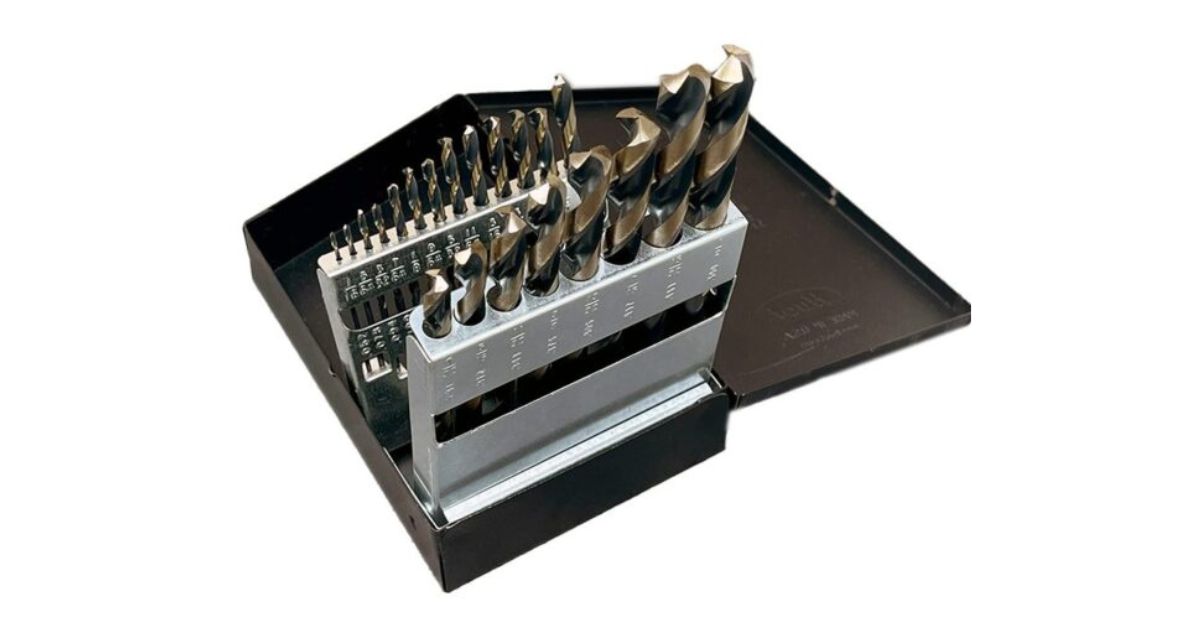
Choosing superior drill bits is a direct investment in your safety and productivity. Quality tools mean fewer scrapped parts, faster assembly, and perfectly drilled holes every time. Sourcing a consistent, high-quality, high-speed drill set that meets aerospace standards ensures your entire team has reliable equipment, eliminating variables and delivering predictable, top-tier results.
Ready to upgrade your shop with tools built for the highest standards? Visit Drill Bit Warehouse to explore our extensive selection of high-speed steel and cobalt drill bits. Our experts are ready to help you find the perfect solution for your most demanding drilling challenges.