

Top Industries That Rely on Carbide Rotary Burrs Daily
Top Industries That Rely on Carbide Rotary Burrs Daily
 2026-08-05T07:21:49-08:00
[BANNER]
Carbide burrs earn their place in shops where metal needs careful shaping, edge cleanup, or detail work in tight areas. Crews use them when a larger cutting tool removes too much material or can’t reach the right angle.
Industries that rely on carbide rotary burrs daily often handle hard metals, cast parts, and repair work that require precision.
A carbide burr can smooth rough edges after drilling, refine a welded area, or open a small section without changing the whole part. That kind of control helps workers keep a job moving without overworking the material.
1. Metal Fabrication Shops
Metal fabrication shops often move between cutting, drilling, welding, and fit-up work throughout the day. Carbide burrs help workers clean rough openings, shape edges, and correct minor issues before parts move forward.
A drilled hole may leave a sharp lip. A cut edge may need a better finish before assembly. A weld area may need light shaping so another piece can sit flush. Carbide burrs handle those jobs with more control than a wheel or large grinder.
Common Fabrication Uses
- Cleaning rough openings after drilling
- Smoothing sharp cut edges
- Shaping brackets before fit-up
- Refining welded areas with better control
Fabricators also value burrs because they work on many common shop metals. Steel, stainless steel, and aluminum each require a steady hand, but the right burr shape can make cleanup feel more predictable.
2. Automotive Shops
Automotive shops use carbide burrs for repair work, part modification, and engine-related cleanup. A technician may need to remove a rough edge near a bracket or clean a tight area around a drilled opening. Larger tools often get in the way during that type of work.
Carbide burrs also help with cast metal parts. Cylinder heads, housings, and exhaust components can have tight contours that need careful shaping. A burr allows the operator to remove material in small passes rather than cutting too much at once.
Why Control Matters
Good control matters in automotive work because fitment can change quickly. A small adjustment near a mounting point may affect how a part sits, so the tool needs to cut smoothly without grabbing.
3. Aerospace and Aviation Work
Aerospace work demands clean finishing and careful handling of metal parts. Crews may use carbide burrs to deburr drilled holes, blend small edges, or clean up surfaces after machining. The goal often centers on controlled material removal rather than speed alone.
Many aerospace parts include tight spaces and curved surfaces. Burr shape plays a large role there. A ball shape suits rounded areas, while a flame shape suits narrow contours.
The top industries that rely on carbide rotary burrs daily often need repeatable results from one part to the next. Aerospace and aviation shops fit that need because small finishing choices can affect fit and inspection quality.

4. Welding and Pipework
Welders use carbide burrs before welding and during cleanup after the bead cools. Before joining parts, a burr can clean a rough edge or help improve fit-up. Afterward, it can smooth high spots without removing too much of the surrounding metal.
Pipe work also creates plenty of burrs and sharp edges. After cutting or drilling, crews may need to clean the inside edge of a pipe so the next step goes smoother. Carbide burrs can reach inside areas that many other tools can’t handle well.
Cut Styles for Cleanup
- Double-cut burrs remove material faster.
- Single-cut burrs give a smoother feel.
- Smaller burrs help with tight inside edges.
- Larger burrs work better for open weld areas.
Cut style matters because each job needs a different level of control. A heavy cleanup pass calls for a different feel than careful edge blending.
5. Die, Mold, and Tool Shops
Tool and die shops need accuracy in small spaces. Carbide burrs help workers refine contours, clean parting lines, and shape detailed metal areas. They also help during touch-up work when a part needs careful correction rather than a full machining pass.
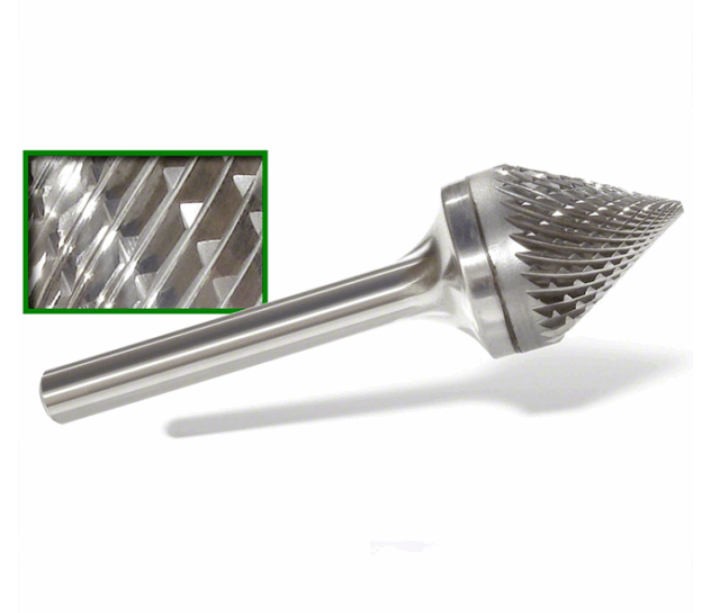
Different burr shapes solve different problems. A cylinder shape works well on straight walls. A tree shape can reach into angled areas. A ball shape helps with rounded pockets.
Burr Shape Matters
Operators in these shops often choose a burr based on the surface in front of them. That choice saves time because the tool follows the shape instead of fighting it.
6. Foundries and Casting Operations
Foundries use carbide burrs to clean castings after the metal has cooled and moved to the next stage. Cast parts may have flashing, seams, or rough spots that must be removed before finishing.
Cast iron and other abrasive materials can quickly wear tools. Carbide holds up better under that kind of pressure, which helps crews maintain more consistent cleanup work.
Foundry work can feel heavy, but burr control still matters. Too much pressure can create chatter or heat. A lighter touch lets the burr cut rather than scrape, which usually yields a cleaner result.
7. Industrial Maintenance Crews
Maintenance teams face repair work that changes from one job to the next. A crew may clean a damaged hole in the morning and shape a replacement bracket later the same day. Carbide burrs support that kind of varied work because they handle many common metals.
A small selection of rotary burrs can help maintenance crews handle edge cleanup, light shaping, and small corrections. Cylinder, tree, and ball profiles cover many repair situations without taking up much storage space.
Useful Burrs for Maintenance Work
- Cylinder burrs for flat edges
- Ball burrs for rounded spots
- Tree burrs for angled areas
- Flame burrs for narrow contours
These crews often need tools that require no lengthy setup. Carbide burrs fit that need because they help solve small issues right at the work area.
8. Marine and Heavy Equipment Repair
Marine and heavy equipment shops handle thick metals, cast parts, and welding repairs. Carbide burrs help crews clean rough edges around brackets, housings, and worn parts that require attention before reassembly.
Heavy equipment repair often involves components exposed to dirt, stress, and repeated use, where a burr can be removed, raised edges cleaned, or damaged openings cleaned to ensure proper fit.
Marine repairs face similar challenges, with metal parts in tight access areas that need a careful finish before installation. A carbide burr provides better control than bulky tools in such confined spaces.
How To Match the Burr to the Work
The right burr depends on the material, the shape of the work area, and the amount of metal to be removed. A burr that feels smooth on steel may load up on softer metal. A shape that works on a flat edge may struggle inside a curve.
Before Choosing a Burr
- Match the burr shape to the surface.
- Choose the cut style for the finish.
- Use steady pressure and avoid forcing the cut.
- Keep the burr moving to control heat.
- Select a size that gives the operator control.
Good technique helps the burr last longer. Let the carbide do the cutting, and ease back when the tool starts to chatter.
Why These Industries Depend on Carbide Burrs
Carbide burrs help crews work cleaner in areas where larger tools feel clumsy. They support metal shaping, burr removal, and finishing work across trades that deal with hard materials every day.
The right burr can help a shop save time during cleanup and reduce extra handling between steps. Drill Bit Warehouse carries 1/4-inch-shank solid-carbide burr options for crews who need dependable tooling for metal finishing, repair work, and daily shop use.