


Troubleshooting Common Masonry Drill Bit Breakages
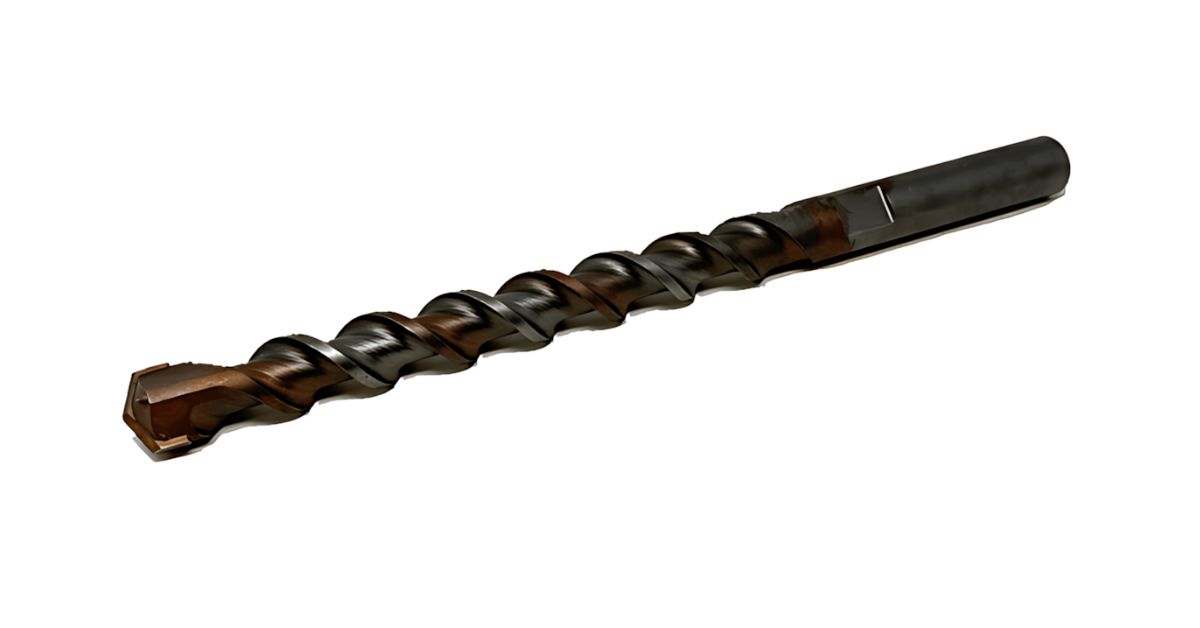
Troubleshooting Common Masonry Drill Bit Breakages
 2026-04-14T07:04:58-08:00
Masonry drilling can feel routine until a drill bit snaps mid-cut. Breakage slows progress, damages surfaces, and forces crews to pause and diagnose the problem. Concrete, brick, and block place heavy stress on cutting edges, especially when drilling conditions shift from one hole to the next.
Understanding why bits fail helps operators correct problems quickly and protect their tooling investment. Troubleshooting common masonry drill bit breakages starts with evaluating drilling technique, material conditions, and overall drilling stability. When those elements work together, bits last longer and drilling stays consistent.
Spotting those signals early allows operators to make adjustments before the bit reaches a breaking point.
Why Masonry Drill Bits Break in the First Place
Masonry drilling stresses the bit tip and body as uneven resistance from concrete, mortar, and stone causes fatigue. Breakage isn’t usually caused by a single mistake but by accumulated factors such as excess pressure, poor alignment, overheating, and worn edges. Speed-focused operators overlook these stresses, which build heat and vibration, weakening the bit until it fractures.
Taking a systematic approach to troubleshooting common masonry drill bit breakages means examining the entire drilling process, from the first contact with the surface to the final depth of the hole.
Incorrect Drilling Pressure
Excessive pressure is one of the most common reasons for broken masonry drill bits. For concrete and brick, applying steady, controlled pressure is essential, rather than using forceful pushing. When operators apply too much force, the drill bit’s efficiency drops. Instead of effectively removing material, the cutting edges grind against the surface, creating heat.
This increases torque, stressing the bit body and raising the risk of breakage. Maintaining balanced drilling pressure helps the bit move smoothly through the material. Focus on letting the cutting edges do the work, rather than forcing the bit deeper.
Bit Misalignment During Drilling
Alignment significantly influences masonry drilling efficiency. Even a slight initial angle can cause uneven stress on the cutting edges. When the bit enters the material at an angle, one side bears more load, creating an imbalance that weakens the bit along its length.
Misalignment also causes lateral vibrations, which make the bit wobble inside the hole. This increases friction and accelerates fatigue. Maintaining a straight drilling path prevents these problems. Checking alignment beforehand and keeping steady positioning during drilling helps preserve the bit and enhance performance.
Heat Buildup and Friction
Heat often plays a subtle role in causing masonry drill bit failure. Friction happens when the cutting edges struggle to remove material effectively. As heating increases, the metal weakens and is more likely to crack. A common cause of this is dust buildup inside the hole, which blocks the cutting path and forces the bit to grind rather than cut.
Regularly withdrawing the bit removes dust and aids cooling. This decreases friction and improves cutting efficiency. In short, drilling with short, paused bursts helps control temperature and extend tool lifespan.
Embedded Materials Inside Concrete
Concrete rarely consists solely of cement and aggregate. Many structures incorporate steel reinforcement, dense gravel pockets, or leftover construction debris within the material. When a masonry bit hits one of these dense objects, torque spikes immediately. This sudden resistance can break the cutting tip before the operator can react.
People often blame the bit when this happens, but the true cause is often within the concrete itself. Paying attention to drilling feedback can help prevent unnecessary damage. If resistance sharply increases or vibrations occur, slowing down and reevaluating the hole helps avoid putting extra stress on the tool.
Worn or Damaged Cutting Edges
The edges of cutting tools gradually become dull with repeated drilling. As the tip loses sharpness, the bit struggles to cut through dense materials effectively. Dull edges increase friction and force workers to apply more pressure to keep going. That extra force is directly transferred to the body of the bit.
Continuing to drill with a worn bit greatly raises the risk of breakage. Regular inspections help catch worn tips before the problem worsens. Replacing a worn bit early costs much less than fixing a broken bit stuck inside concrete.
Warning Signs Before a Masonry Bit Breaks
Most masonry drill bit failures occur after several warning signals appear. Recognizing these signs allows operators to stop drilling and correct the issue before the bit fractures.
Common indicators include:
- Increased vibration during drilling
- Sudden reduction in cutting speed
- Visible wobbling along the bit length
- Excessive heat around the drilling point
- Grinding sounds instead of steady cutting
These warning signs indicate rising stress on the bit. Adjusting drilling pressure, clearing debris, or correcting alignment often prevents breakage.
Paying attention to these signals helps maintain consistent drilling performance across different masonry materials.
Material Density Changes During Drilling
Masonry materials often do not have uniform density from surface to core. Concrete can contain aggregates of different sizes, voids, or reinforcement layers. These differences cause the drill bit to face alternating resistance as drilling continues. The drilling rhythm may suddenly become uneven when the bit encounters a tougher section.
Using the same pressure during these periods can overstress the tool. Adjusting the drilling pressure to suit resistance levels helps protect the cutting edges. Slowing down in dense areas stabilizes the drilling process and decreases the risk of fractures.
Choosing the Right Masonry Drill Bit Design
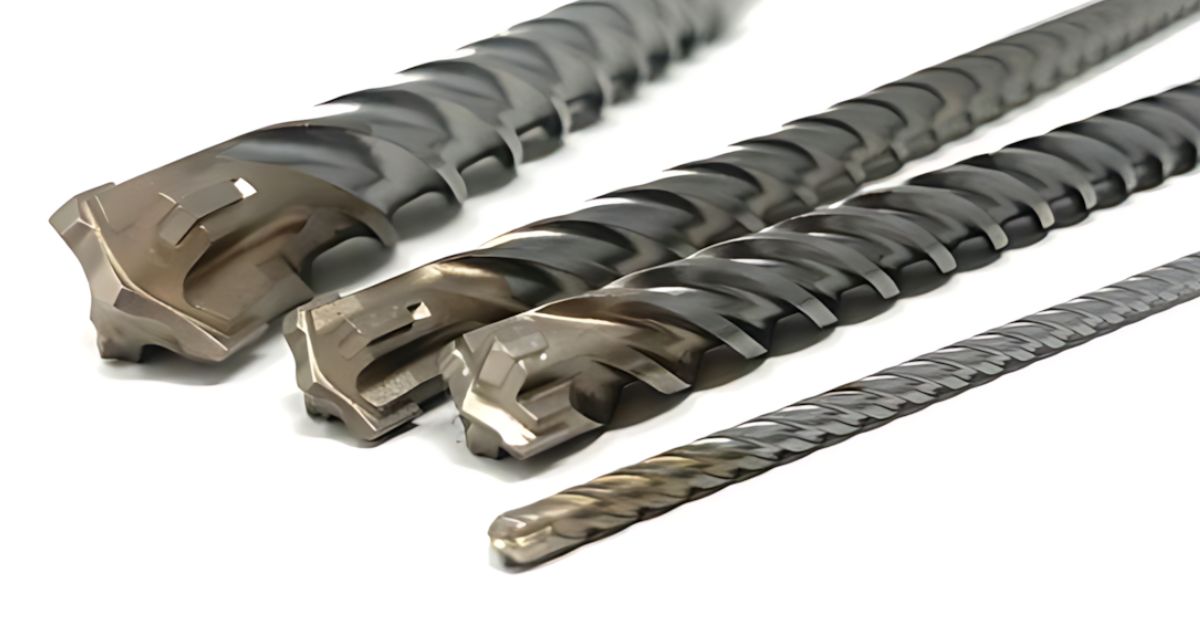
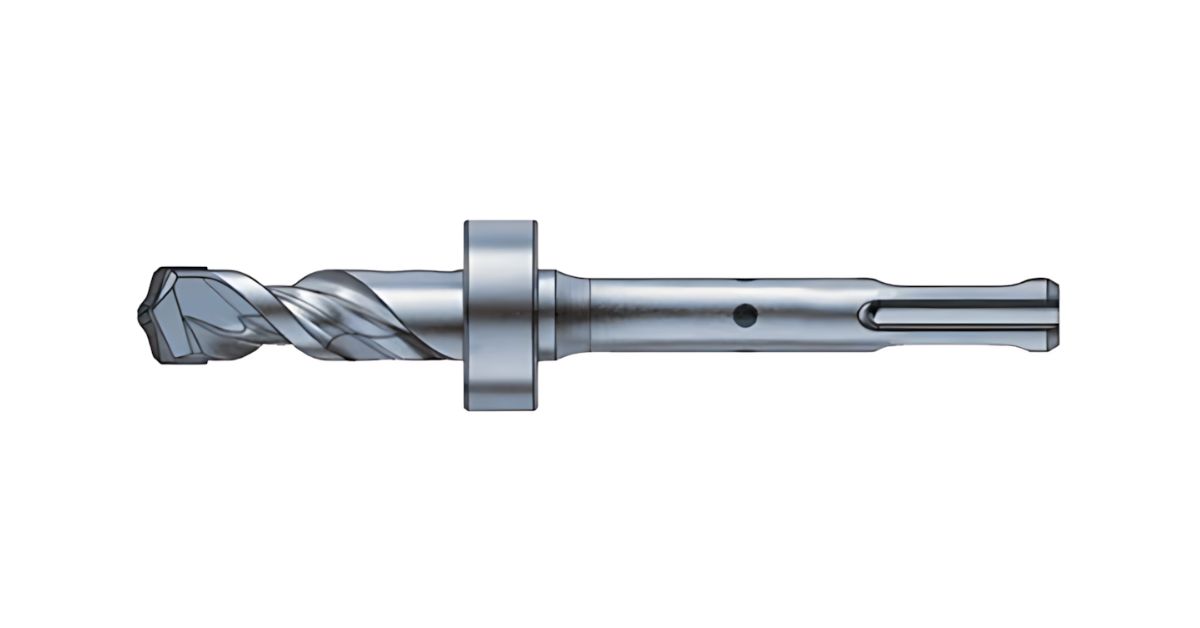
Not all masonry drill bits perform equally in demanding conditions. Tip shape, flute design, and material affect durability and efficiency. High-quality bits have reinforced tips to withstand abrasive surfaces, and a good flute design helps remove dust, reducing heat and friction.
Choosing the right bit size and design minimizes tool strain and ensures smoother, controlled cuts. Regular drillers depend on durable, heavy-duty bits made for repeated use, which last longer and break less often.
Practical Habits That Prevent Bit Breakage
Preventing masonry drill bit failure often comes down to consistent drilling habits. Small adjustments in technique can significantly improve durability and drilling efficiency.
Operators who prioritize control over speed typically experience fewer tool failures. Steady pressure, proper alignment, and routine debris clearing reduce mechanical stress on the bit.
Several simple habits help extend masonry drill bit life:
- Maintain steady drilling pressure without forcing the bit
- Keep the bit aligned with the drilling surface
- Withdraw the bit periodically to clear dust and debris
- Allow the bit to cool during extended drilling
- Watch for vibration or sudden resistance changes
- Replace worn bits once cutting edges lose sharpness
Following these habits keeps drilling predictable and helps operators recognize warning signs before a bit fractures.
Preventing Masonry Drill Bit Breakage on the Jobsite
Masonry drill bit breakage rarely occurs without a clear cause. Excessive pressure, misalignment, heat buildup, and embedded materials gradually place more stress on the bit during drilling. Recognizing these conditions early allows operators to adjust technique before failure occurs.
Consistent drilling control remains the most effective way to prevent breakage. Maintaining alignment, clearing debris from the hole, and adjusting pressure when resistance changes help protect both the cutting edges and the bit body.
Understanding these factors makes troubleshooting common masonry drill bit breakages much easier on active job sites. Operators who monitor drilling conditions carefully experience fewer interruptions and longer tool life. For dependable performance in demanding drilling environments, professionals often rely on high-quality masonry drill bits for concrete from DrillBitWarehouse.