

Understanding Heat Dissipation in Cobalt Drill Bits
Understanding Heat Dissipation in Cobalt Drill Bits
 2026-09-15T11:21:36-08:00
Drilling metal creates friction at the cutting edge, and that friction quickly generates heat. How well a drill bit handles that heat can affect cutting performance and tool life. Understanding heat dissipation in cobalt drill bits can help operators make better choices when drilling stainless steel, cast iron, and other demanding metals.
Cobalt drill bits excel at tough metalworking tasks, so managing heat is key to their effectiveness. Keep reading as we explain how these bits handle higher temperatures and what users can do to keep results steady.
Where Drilling Heat Comes From
A drill bit generates heat as its cutting edges remove material from the workpiece. Friction between the bit and metal adds more heat during the cut. Hard materials or poor drilling conditions can make temperatures climb faster.
Speed has a major influence here. Running a bit too fast increases friction and may raise the temperature around the cutting edge. A dull bit can create a similar problem because it starts rubbing against the material instead of cutting efficiently.
Feed pressure matters as well. Too little pressure may cause rubbing, while excessive force can overload the cutting edges. A steady feed helps the bit cut and form chips without creating unnecessary friction.
How Cobalt Helps a Drill Bit Handle Heat
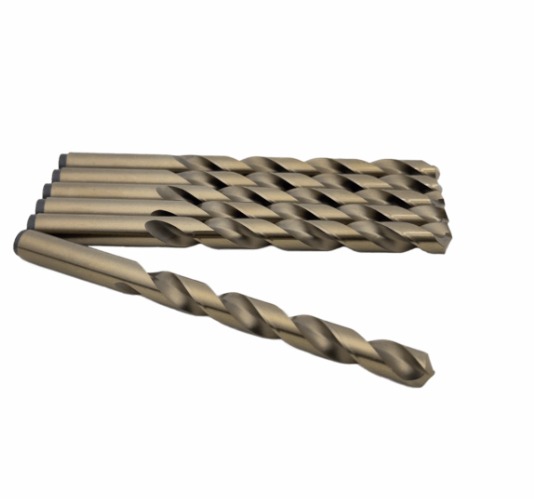
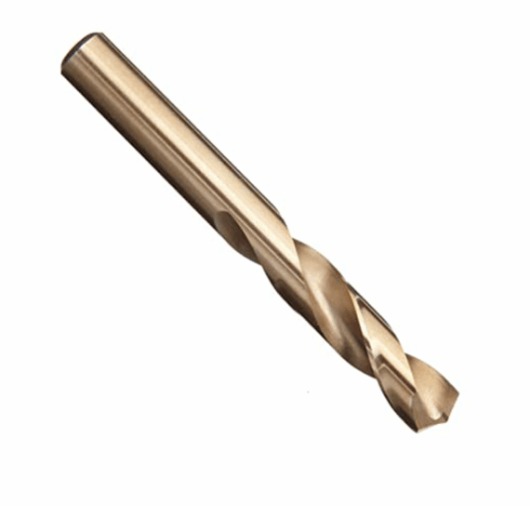
Cobalt drill bits are made from high-speed steel alloyed with cobalt, which enhances their durability and performance. The cobalt content allows the cutting edges to retain their hardness even at elevated temperatures generated during drilling, making them especially suitable for demanding metalworking tasks where heat buildup can accelerate tool wear. Despite their heat resistance, proper drilling techniques remain essential.
Excessive speed, too much pressure, or aggressive feeding can generate unnecessary heat at the cutting edge, leading to premature wear or failure of the cobalt bit. Therefore, optimal speed and feed rates, along with adequate cooling, are crucial to maximize the lifespan and effectiveness of cobalt drill bits.
How Heat Leaves the Cutting Area
Heat doesn’t remain concentrated at the drill point. Some transfers into the workpiece, while some travels through the drill bit. Chips can carry heat away as they exit the hole.
Chip evacuation can affect how smoothly the bit continues cutting. Packed chips interfere with the cutting process and may increase friction inside the hole. Deep-hole drilling can make chip removal harder because the material has farther to travel through the flutes.
Periodically withdrawing the bit can help clear accumulated chips during deeper drilling. Clearing the flutes allows the cutting edges to return to the material without repeatedly contacting trapped debris.
Why Cutting Speed Changes Heat Buildup
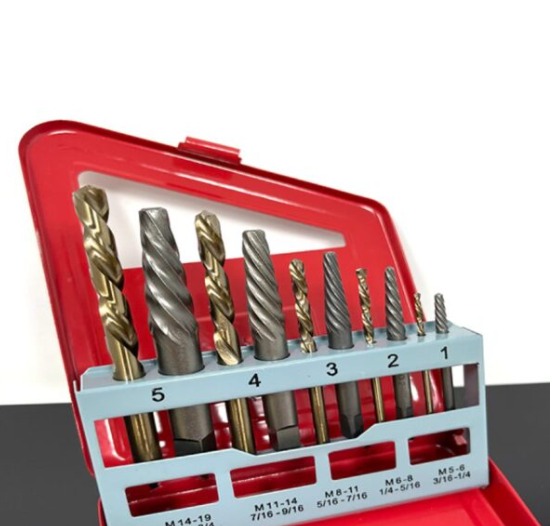
Cutting speed affects the friction and heat generated during drilling. Higher speeds can raise temperatures quickly, particularly when working with hard or work-hardening metals.
Proper speed depends partly on drill diameter and workpiece material. Larger drill bits generally run at lower rotational speeds than smaller bits when cutting the same metal. Matching the speed to the application helps the cutting edges remove material efficiently instead of creating excess friction.
Lower speed alone won’t solve every heat problem. Poor feed can still cause inefficient cutting even when RPM is reduced. Operators should follow appropriate feed and speed recommendations for the material and drill diameter.
What Excessive Heat Does to a Drill Bit
Cobalt drill bits can handle demanding cutting temperatures, though prolonged overheating can still accelerate wear. As the cutting edges wear, the bit may require greater pressure to continue drilling at the same rate.
Operators can watch for several signs that drilling conditions need attention:
- The bit requires more pressure to advance.
- Chips begin packing into the flutes.
- Cutting performance starts dropping.
- The cutting edge shows visible wear.
Heat may not cause every one of these symptoms. Dull cutting edges or improper feed can produce similar problems. Looking at how the bit cuts and how chips leave the hole can help identify what needs adjustment.
How Lubrication Supports Heat Control
Cutting fluid can help control temperature during many metal-drilling applications. It can also reduce friction where the cutting edge contacts the workpiece, helping the bit cut without generating avoidable heat.
The appropriate fluid depends on the workpiece and drilling setup. Operators should follow recommendations for the metal they’re drilling rather than assuming one cutting fluid suits every application.
Placement also matters. The fluid needs to reach the cutting area where the bit contacts the metal. This becomes harder as the drill point moves deeper into the hole, which makes proper application especially useful during deeper drilling.
How Operators Can Limit Unnecessary Heat
The cobalt alloy provides heat resistance, while good drilling habits help operators avoid generating excess temperature in the first place. Small adjustments to the cutting process can make a noticeable difference.
Useful practices include:
- Match spindle speed to the bit diameter and workpiece.
- Maintain enough feed pressure for the edges to keep cutting.
- Clear packed chips from the flutes when needed.
- Replace or sharpen bits when cutting performance declines.
Operators should also watch for changes during drilling. When a bit that normally cuts smoothly begins requiring more force, checking edge condition and chip evacuation can help identify the problem before wear progresses.
Why Heat Resistance Matters With Difficult Metals
Certain metals place greater demands on a drill bit because of their hardness or abrasive properties. Stainless steel presents another challenge because improper drilling can cause the workpiece to harden around the cutting area.
Cobalt drill bits suit demanding metalwork because their alloy can maintain cutting hardness at elevated temperatures. Proper speed and feed still matter, since heat resistance works best when the drill bit cuts efficiently rather than rubbing against the material.
For operators, understanding heat dissipation when using cobalt drill bits provides useful context for choosing drilling conditions. Cutting-edge temperature is closely tied to friction, chip removal, and tool wear, making heat management part of consistent metal drilling.
Choose Cobalt Drill Bits for Demanding Metalwork
Cobalt drill bits give metalworkers a cutting material suited to applications where higher temperatures can challenge conventional high-speed steel. Proper operating habits help operators get the intended performance from the bit while limiting avoidable wear.
Drill Bit Warehouse carries premium M42 cobalt drill bits for sale in several sizes and lengths for metalworking applications. Browse the available selection for your drilling requirements or contact Drill Bit Warehouse for help choosing a cobalt bit for your application.