


Understanding the Different Grades of Cobalt Drill Bits
Understanding the Different Grades of Cobalt Drill Bits
 2026-06-29T12:27:59-08:00
When you drill stainless steel or cast iron, the bit has to do more than spin through the surface. It has to handle heat, stay sharp, and keep cutting without rubbing. Knowing how different cobalt drill bit grades compare helps you choose a bit that fits the metal and the way you work.
Cobalt bits don’t rely on a coating for strength. The cobalt mixes into the steel itself, so the cutting edge retains its heat resistance even after sharpening. That’s what makes cobalt a strong choice when standard high-speed steel wears down too soon.
Most cobalt bits fall into two common grades: M35 and M42. They may look similar, but they don’t perform the same under pressure. The right choice depends on how hard the material is and how much heat the job creates.
What Makes a Cobalt Bit Different?
A cobalt bit starts with high-speed steel. Cobalt gets added to the steel blend to help the bit resist heat during metal drilling. Since friction builds up at the cutting edge, heat resistance directly affects tool life.
The biggest difference lies in how cobalt runs through the alloy. It doesn’t sit on top like a coating. When you sharpen a cobalt bit, the new edge still contains cobalt, which helps the bit keep working after the first edge wears down.
That’s why cobalt bits often make sense for tougher metals. They offer greater heat resistance than standard HSS without relying on a coating that can wear off.
M35 Cobalt Bits
M35 cobalt bits contain about 5% cobalt. That amount gives a bit of strong heat resistance while keeping a little more forgiveness than harder grades. For many users, M35 offers the best balance for regular metal drilling.
This grade works well on mild steel and stainless steel at the right speed. It’s also a good fit for shop work where the material can change from one job to the next.
M35 can help when the setup isn’t perfectly rigid. If you’re drilling by hand or working with a less stable setup, the extra toughness can reduce the chance of chipping. You still need cutting fluid and proper pressure, but M35 offers a wider operating range.
M42 Cobalt Bits
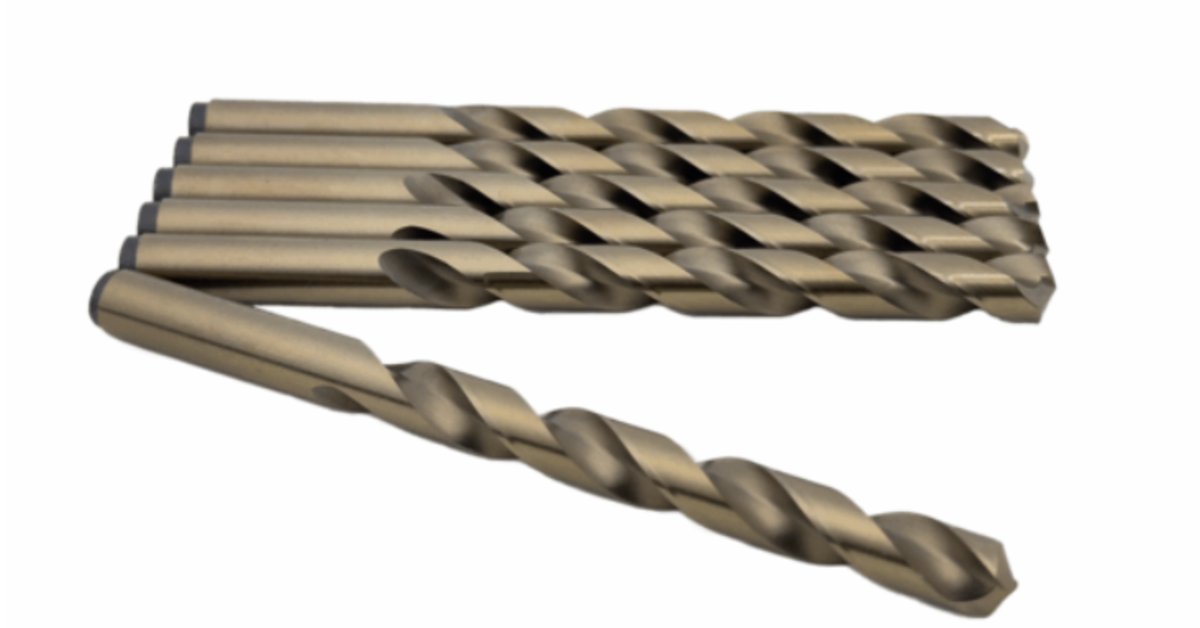
M42 cobalt bits contain about 8% cobalt. That higher cobalt content makes the bit harder and more heat-resistant. It also helps the cutting edge last longer during tougher drilling.
M42 is suited to harder stainless steels, tool steels, and repeated drilling jobs where standard HSS wears down too quickly. It can handle more heat than M35, making it useful when the material places heavy stress on the edge.
The tradeoff is that M42 has less forgiveness. It doesn’t respond well to side pressure or chatter. It works best when the workpiece stays secure, and the user keeps the speed under control.
M35 vs. M42: How to Choose
The difference between M35 and M42 comes down to cobalt content. M35 has about 5% cobalt, while M42 has about 8%. That extra cobalt gives M42 stronger heat resistance, but it also makes the bit less flexible.
Choose M35 when you need a dependable bit for general metal drilling. It handles everyday shop tasks well and can take on stainless steel with the right technique.
Choose M42 when heat creates the main problem. If you’re drilling harder alloys or making repeated holes in tough material, M42 can help reduce bit changes.
A few simple buying cues can help:
- M35 fits general metal drilling.
- M42 fits harder metals.
- Slower speed protects the edge.
- Cutting fluid helps control heat.
Why Cobalt Content Matters
Cobalt helps the bit stay hard when heat builds. That matters because metal drilling can generate heat quickly, especially when the bit starts to rub rather than cut. Once the edge overheats, the bit dulls faster, and the hole quality drops.
Higher cobalt content can help the edge last longer. That’s why M42 often performs better in tougher materials. Still, more cobalt doesn’t automatically make a bit better for every job.
A harder bit can chip if the setup has too much movement. For lighter drilling or less controlled conditions, M35 may give you smoother results. That’s where understanding cobalt drill bit grades pays off. You’re matching the bit to the work instead of choosing the hardest option on the shelf.
Match the Grade to the Metal
The metal in front of you should guide your grade choice. Mild steel usually doesn’t require the hardest cobalt grade. M35 often handles it well and gives you good wear life without making the bit too brittle.
Stainless steel requires more care because it can work-harden when the bit rubs against it. That hardened surface makes the cut harder as you go. M35 can handle stainless steel at a slower speed with cutting fluid, while M42 often performs better under heavier use.
Harder alloys usually require greater heat resistance. M42 tends to fit those jobs because it holds its edge longer under tougher conditions. Even so, the setup still matters. A premium bit won’t perform well if the workpiece moves.
Point Design Still Matters
Grade matters, but it doesn’t do the whole job by itself. Point design affects how the bit starts and how much pressure it needs. Many cobalt bits use a 135-degree split point because it helps reduce walking on metal surfaces.
A 118-degree point can work well on softer materials. For harder metals, a 135-degree split point often gives better control. It helps the bit start cleaner and reduces strain at the beginning of the hole.
Flutes matter too because they carry chips out of the hole. If chips pack around the cutting edge, heat rises. For deeper holes, pulling the bit back to clear chips can help it cut cooler.
How to Get More Life From Cobalt Bits
Cobalt bits can last a long time, but the way you drill still matters. Too much speed can overheat the edge. Too much pressure can chip it.
Start slower than you would with softer materials. Let the bit cut at a controlled pace instead of forcing it through the metal. If the bit squeals or smokes, stop and adjust before the edge takes damage.
Cutting fluid is very helpful when drilling steel. It reduces heat at the cutting edge and helps the bit stay sharp longer. Firm pressure also helps, as long as you don’t push hard enough to flex the bit.
Good chips tell you the bit cuts properly. Fine dust or discoloration usually means the bit is rubbing, which can shorten tool life.
Choose the Grade That Fits the Job
M35 works well for general metal drilling. It gives users better heat resistance than standard HSS while keeping a more forgiving feel. For mixed shop work, it often gives the most balanced performance.
M42 is suited to harder metals and heavier drilling. Its higher cobalt content helps it handle more heat during repeated holes. It needs a controlled setup, but it can offer longer edge life when the job calls for a harder bit.
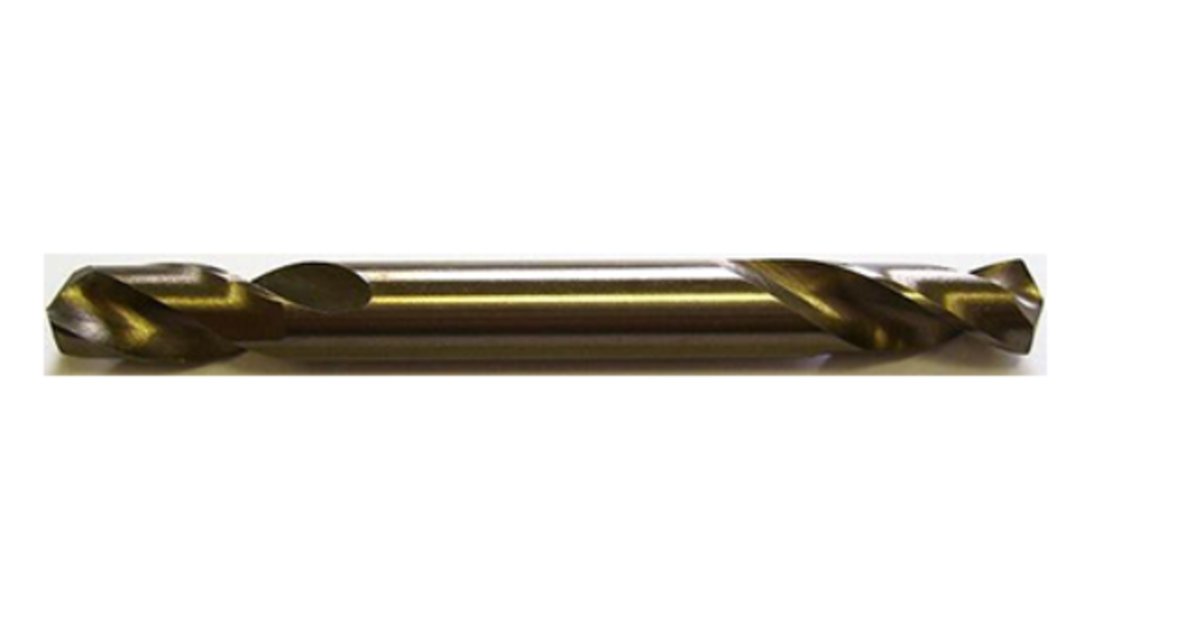
If you regularly drill stainless steel or alloy steel, a quality set of cobalt drill bits can save time compared with standard HSS.
The right choice starts with the metal in front of you. Match the grade to the material, slow the speed when needed, and give the bit the support it needs to cut cleanly.