


Understanding the Hardness Rating of M42 Cobalt Bits
Understanding the Hardness Rating of M42 Cobalt Bits
 2025-12-10T08:05:17-08:00
Selecting the appropriate drill bit for a job involves considering multiple factors, from the material you plan to drill to the type of drill you will use. Among the variety of bits available, M42 cobalt drill bits stand out for their exceptional strength and heat resistance, making them a top choice for drilling into hard metals like stainless steel and cast iron. However, to get the most out of these tools, one must understand their composition and properties. A proper understanding of the hardness rating of M42 cobalt bits allows professionals to select the right tool for maximum efficiency and longevity.
The performance of any drill bit comes from its material composition and design. M42 cobalt bits contain a higher percentage of cobalt, which gives them superior durability compared to standard high-speed steel (HSS) bits.
Keep reading to know what makes M42 cobalt bits unique, how their hardness contributes to performance, and what you should look for when choosing one for your next project.
What Are M42 Cobalt Drill Bits?
M42 cobalt drill bits belong to a class of tools made from a specific grade of high-speed steel. The “M42” designation refers to a molybdenum series HSS that contains a significant amount of cobalt, typically around 8%. This alloy composition gives the bits impressive red hardness, which is the ability to retain their hardness at high operating temperatures.
When drilling through tough materials, friction generates immense heat. Standard HSS bits can soften under these conditions, leading to a dull cutting edge and poor performance. M42 cobalt bits, however, maintain their structural integrity even when hot, allowing for continuous, effective drilling.
This makes them particularly suitable for demanding industrial applications and for working with abrasive or hardened metals. Their robust construction results in a longer tool life and more precise holes.

The Role of Hardness in Drill Bit Performance
Drill bit hardness directly influences its cutting ability and durability. Hardness measures a material’s resistance to permanent indentation or scratching. In drilling, a harder bit can penetrate tougher materials without deforming or dulling.
Rockwell Hardness Scale
The Rockwell C scale (HRC) is commonly used to measure the hardness of steels and other hard materials used in tools such as drill bits. The test involves applying a specific load to a diamond cone indenter and measuring the depth of penetration.
A higher HRC number indicates a harder material. M42 cobalt bits typically have a hardness rating in the range of 67 to 69 HRC. This high rating confirms their capacity to cut through some of the toughest metals.
Hardness vs. Toughness
It’s also essential to distinguish between hardness and toughness.
- Hardness refers to the resistance to surface penetration and wear.
- Toughness is the ability of a material to absorb energy and deform without fracturing.
While M42 cobalt has exceptional hardness, its high cobalt content also enhances its toughness. An extremely hard but brittle bit could shatter under drilling stress. M42 finds a balance, providing the hardness needed to cut tough metals while maintaining enough toughness to resist chipping and breaking during use. This combination makes these bits reliable for challenging jobs.
Factors Influencing M42 Cobalt Hardness
The final hardness of an M42 cobalt bit depends on more than its chemical composition. The manufacturing process, particularly the heat treatment, plays a large part in determining the tool’s final properties.
Heat Treatment Process
Heat treatment involves heating and cooling the metal under controlled conditions to achieve desired characteristics. For M42 cobalt steel, this process includes several stages:
- Austenitizing: The steel is heated to a high temperature, causing a change in its crystalline structure.
- Quenching: The steel rapidly cools to lock in the hard martensitic structure.
- Tempering: The steel is reheated to a lower temperature multiple times. This step reduces brittleness and increases toughness while retaining much of the hardness.
Proper execution of each stage helps produce a drill bit with the optimal balance of hardness, toughness, and wear resistance. An improperly heat-treated bit may fail prematurely, either by dulling or breaking.
Cobalt Content
The “M42” grade specification requires a cobalt content of around 8%. This element is fundamental to the alloy’s performance. Cobalt increases the red hardness of the steel, allowing the bit to maintain its sharp cutting edge at the high temperatures generated during metal drilling.
It also improves the alloy’s overall strength. A thorough understanding of the hardness rating of M42 cobalt bits requires appreciating the role of cobalt in the material’s properties.
How to Select the Right M42 Cobalt Bit
Choosing the correct M42 cobalt bit requires looking at the job requirements and the bit’s specific features.
Point Angle
The point angle of a drill bit affects how it interacts with the workpiece.
- A 118-degree point works well for drilling into softer materials like aluminum or mild steel.
- A 135-degree split point offers better performance for harder materials. The split point design prevents the bit from “walking” or wandering across the surface when starting a hole, allowing for more precise placement without the need for a center punch. Most M42 cobalt bits feature a 135-degree split point to complement their use on hard metals.
Coating
While the M42 cobalt base material provides excellent performance, some bits feature additional coatings to further enhance performance. Common coatings for metal drilling bits include Titanium Nitride (TiN) or Titanium Carbonitride (TiCN). These coatings can increase surface hardness, reduce friction, and extend the tool’s life. However, many M42 cobalt bits perform exceptionally well without a coating due to the alloy’s inherent qualities. The choice between a coated and an uncoated bit may depend on the specific application and budget.
Proper Use and Maintenance
To get the best results from your M42 cobalt bits, proper usage is paramount.
- Use the correct speed and feed rate: Consult drilling charts for recommended speeds and feeds for the material you are working with. Running the bit too fast can generate excessive heat, while a feed rate that is too slow can cause rubbing and premature wear.
- Apply cutting fluid: Using a high-quality cutting oil or lubricant reduces friction and heat, which helps preserve the cutting edge and extends the life of the bit.
- Maintain a steady pressure: Apply consistent, firm pressure to keep the bit cutting effectively. Inconsistent pressure can cause the bit to chip or break.
Find the Right Drill Bit
M42 cobalt bits offer superior performance for drilling hard, abrasive metals due to their high hardness and excellent heat resistance. Their reliability and durability make them a valuable tool for professionals in manufacturing, fabrication, and maintenance. Selecting the right bit and using it correctly will help you complete your jobs efficiently and achieve clean, accurate results.
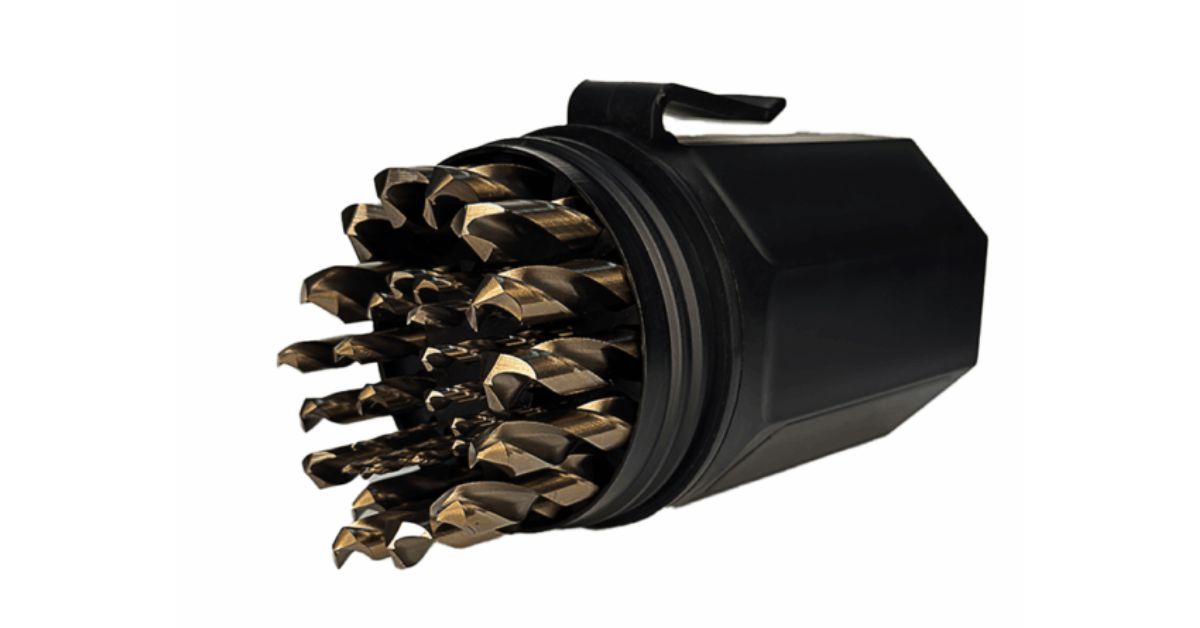
For those who frequently work with tough metals, investing in high-quality cobalt drill bit sets can provide a versatile, long-lasting collection of tools for various applications. At Drill Bit Warehouse, we pride ourselves on providing high-quality tools that professionals can count on for any project. Find the right drill bit for your needs today.