


When Not To Use High-Speed Drill Bits: Situations To Avoid
When Not To Use High-Speed Drill Bits: Situations To Avoid
 2026-05-12T07:54:37-08:00
High-speed drill bits handle a wide range of materials, yet they don’t fit every application. Many users reach for them out of habit, which often leads to poor results, wasted time, and premature wear. A clear understanding of limitations helps prevent those issues before they start.
Understanding when to avoid high-speed drill bits in specific situations can prevent issues and save time. It involves selecting the appropriate drill bit material for each task rather than using a single type for every job.
While high-speed steel is suitable for many everyday applications, some conditions require more durable or heat-resistant options.
Drilling Into Hardened Steel
Hardened steel challenges high-speed drill bits right away. The surface resists cutting edges and creates heat as soon as contact begins. That heat builds quickly and dulls the bit before it can complete the job.
Cobalt and carbide drill bits handle this type of material with greater consistency. They hold their edge under higher temperatures and cut more efficiently through hardened surfaces. High-speed steel struggles to maintain performance once its hardness exceeds standard levels.
High-Heat Drilling Conditions
Heat buildup affects performance more than most users expect. Continuous drilling, dense metals, and extended run times all increase temperature at the cutting edge.
High-speed steel begins to lose hardness as temperatures rise. You’ll see slower cutting speeds and more resistance during operation. Over time, the bit loses its edge and requires replacement sooner than expected. A more heat-resistant option handles these conditions with less wear.
Abrasive Material Applications
Abrasive materials break down cutting edges faster than standard metals. Fiberglass, composites, and coated alloys all create constant friction against the bit.
High-speed steel lacks the hardness needed for long-term use in these environments. The edge wears down quickly, which leads to rough holes and inconsistent sizing. Carbide drill bits perform better here, since they resist abrasion and maintain a sharper edge longer.
Precision-Driven Projects
Accuracy plays a major role in many drilling applications. Projects that require tight tolerances depend on a bit that maintains its shape under pressure.
High-speed steel can lose accuracy as it wears or flexes slightly during use. Even small changes in the cutting edge affect hole size and alignment. Carbide offers greater rigidity, which helps maintain consistent results across repeated drilling.
Deep Hole Drilling
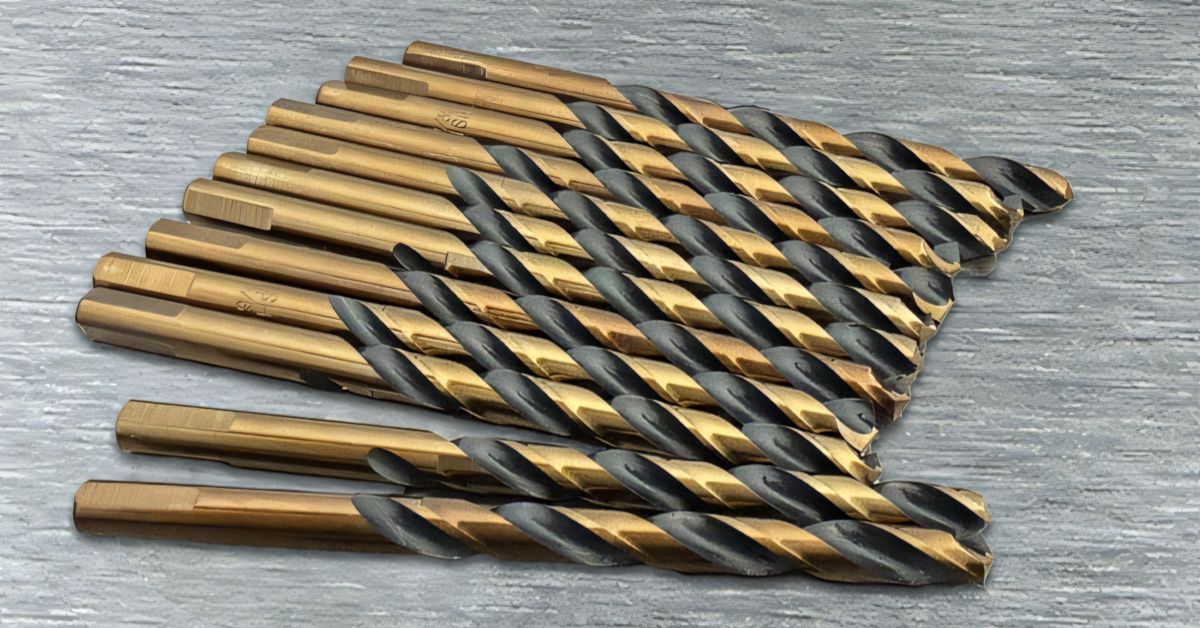
Deep-hole drilling increases resistance as the drill bit penetrates deeper into the material, requiring more force to continue. Heat gradually accumulates across the entire cutting surface, which can raise the temperatures of the tool and workpiece; this buildup also makes chip removal more difficult.
While high-speed steel (HSS) works effectively for shallow holes due to its toughness and ease of sharpening, its performance in deeper drilling applications is limited. Poor chip evacuation in such cases increases friction between the drill bit and the material, further raising temperatures and decreasing cutting efficiency.
To address these issues, drill bits designed for deep holes feature enhanced flute geometry and coatings to improve chip removal and thermal resistance, making them more effective at handling the challenges of deep drilling.
High-Volume Production Work
Production environments place a constant, demanding load on drill bits. Engaging in repeated drilling over long shifts accelerates wear and necessitates more frequent tool changes, often impacting overall productivity.
High-speed steel drill bits tend to wear out more quickly under continuous use, leading to increased downtime and higher replacement costs. In contrast, materials such as cobalt or carbide are more durable under these conditions, providing a longer service life and helping maintain consistent output across large production runs.
Tough Alloys and Exotic Metals
Certain metals create conditions that push standard drill bits beyond their limits. Titanium and nickel alloys resist cutting and generate heat during drilling.
High-speed steel loses effectiveness quickly when used on these materials. The cutting edge dulls faster, slowing progress and affecting hole quality. Stronger materials maintain performance and reduce the need for frequent replacements.
Surface Finish Requirements
Clean hole quality matters across many applications. A sharp cutting edge produces smooth results, while a worn edge leaves rough surfaces and burrs.
High-speed steel loses sharpness faster in demanding conditions. That leads to tearing instead of clean cutting. Carbide or coated drill bits provide a smoother finish, especially in harder or more abrasive materials.
Matching the Right Tool to the Job
High-speed steel still serves a purpose in many toolkits. It handles general-purpose drilling and softer materials with consistent results. Problems arise when it’s used outside of those conditions.
Watch for these signs that point to a mismatch:
- Rapid dulling during normal use
- Heat buildup that affects cutting speed
- Rough or uneven hole quality
- Slower progress through the material
- Frequent need for replacement
These indicators show when a different drill bit is needed for the material or conditions. Choosing the right bit enhances efficiency and prolongs tool life.
For versatility, high-speed steel drill bits are suitable for a variety of common materials. works best when heat, hardness, and abrasion are kept within controllable levels.
Material Selection Plays a Bigger Role Than Speed
Many users focus on drilling speed, though material selection has a greater impact on performance. A faster rotation speed won’t correct a mismatch between the bit and the material.
Each material responds differently under cutting pressure. Softer metals allow high-speed steel to perform well, while harder or abrasive materials require stronger compositions. Choosing the correct drill bit from the start reduces strain on the tool and improves consistency.
Paying attention to material characteristics leads to better outcomes. It also reduces the likelihood of damage to both the bit and the workpiece.
Making Smarter Tool Decisions
Every drilling job presents a different set of conditions. Material type, depth, and heat all influence how a drill bit performs. High-speed steel covers a wide range of basic applications, though it has clear limits.
Professionals who recognize those limits avoid unnecessary wear and wasted effort. They maintain better consistency across their work and reduce interruptions. Knowing when not to use high-speed drill bits in certain situations helps you choose the right tool for each job.
Drill Bit Warehouse offers a wide selection of drill bits designed for specific applications. With the right choice, you get cleaner holes, longer tool life, and more reliable results across every project.