


When To Choose M42 Bits Over Carbide Drill Bits
When To Choose M42 Bits Over Carbide Drill Bits
 2026-04-23T06:19:16-08:00
Choosing the right drill bit shapes how your work performs from start to finish. Many professionals compare cobalt and carbide when working through demanding metal applications. Both materials handle tough jobs, yet they respond differently once heat, pressure, and movement come into play.
Some environments call for precision, while others demand durability and control. A clear understanding of how each material behaves helps you avoid premature wear, reduce interruptions, and maintain consistent results across different applications.
Here’s a quick look at when to choose M42 bits over carbide drill bits and how each option fits real working conditions.
Understanding M42 Cobalt Drill Bits
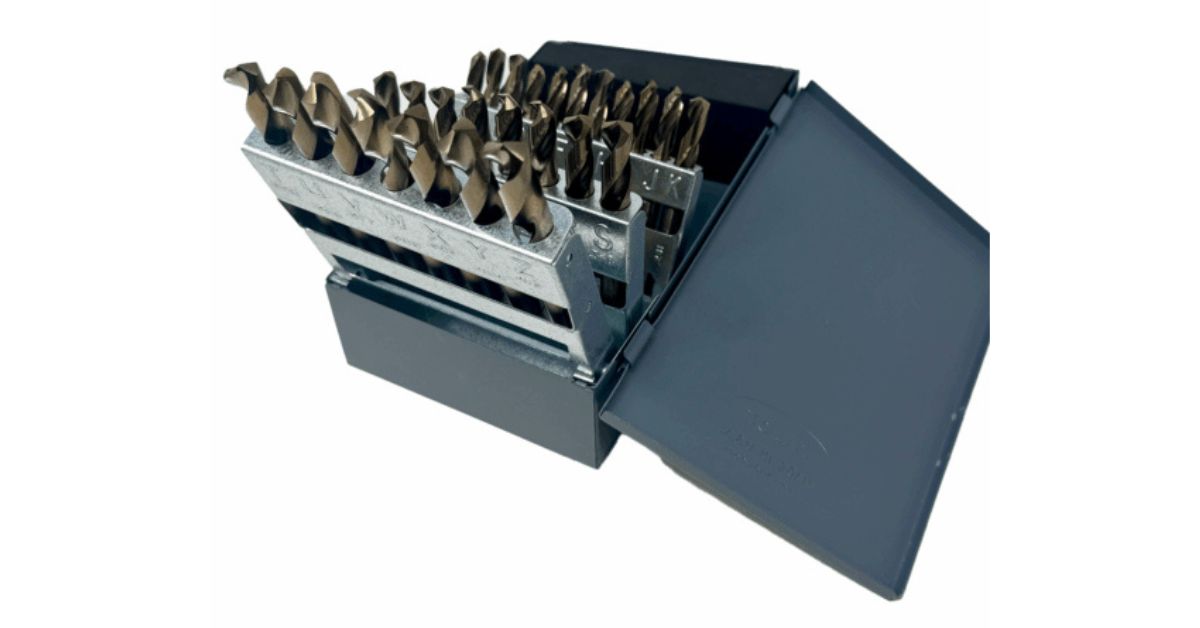
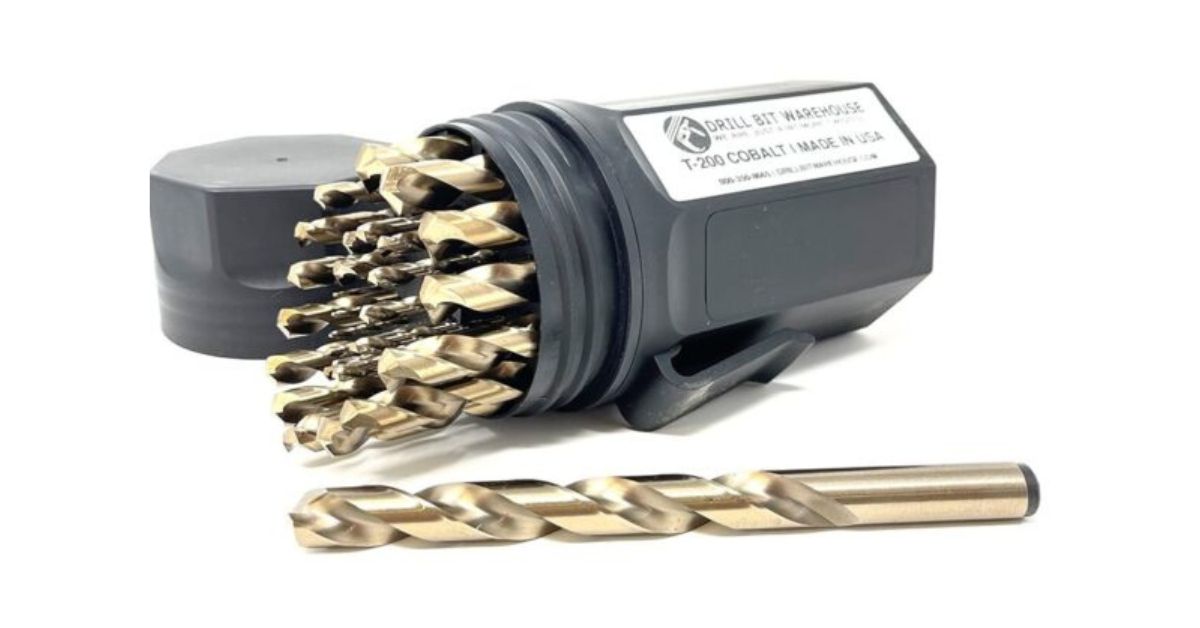
M42 cobalt drill bits are made from high-speed steel with a higher cobalt content, enhancing heat resistance and edge retention. This composition helps the cutting edge stay sharp even during extended drilling at high temperatures.
In practice, M42 drills work effectively on stainless steel, tool steel, and other alloys that heat up fast. Rather than losing hardness under stress, the bit maintains its cutting stability, allowing for longer use.
Another advantage lies in how the material responds under load. M42 absorbs slight inconsistencies in pressure or alignment, which gives you more control when the setup isn’t perfectly rigid. This quality becomes more noticeable in field work or mixed-material jobs.
What Sets Carbide Drill Bits Apart
Carbide drill bits rely on a harder material designed for precision and wear resistance. They maintain sharp cutting edges for extended periods, especially in controlled machining environments.
This hardness allows carbide to produce clean, accurate holes with minimal deviation. In production settings where consistency matters, that level of performance helps maintain tight tolerances across repeated operations.
However, hardness comes with reduced flexibility. Carbide reacts poorly to vibration, interrupted cuts, or uneven pressure. Even small shifts can lead to chipping, which limits its effectiveness outside stable setups.
Heat Resistance And Cutting Performance
Heat management plays a central role in drilling performance. As friction increases, the cutting edge faces more stress, especially in dense or work-hardening materials.
M42 cobalt maintains its hardness at elevated temperatures, allowing it to continue cutting without softening. This supports longer drilling cycles and reduces the need for frequent tool changes, especially in applications where heat builds quickly.
Carbide also handles high temperatures, yet it performs best when conditions stay controlled. Consistent speeds and feed rates help maintain edge integrity. When those variables shift, the risk of edge damage increases.
Because of this, cobalt offers a more forgiving option when working conditions vary throughout the job.
Flexibility Versus Brittleness
Flexibility affects a drill bit’s performance in the face of daily external variables. Minor movements, uneven pressures, or surface irregularities induce stress during drilling.
M42 cobalt is adept at accommodating these conditions through regulated flexibility, allowing slight bending under load rather than fracturing, thus ensuring continued progress even if conditions change during operation.
In contrast, carbide is resistant to deformation and provides the requisite strength for precise, straight cuts. However, when subjected to lateral forces or vibrations, it is more prone to chipping or cracking than to flexing.
This distinction impacts tool selection: operations involving handheld drilling, repositioning, or uneven surfaces typically favor a more resilient material.
Cost Considerations And Tool Life
Tool cost extends beyond the initial purchase. Long-term value depends on how the bit performs across different applications and how often it requires replacement.
M42 drill bits offer a lower upfront cost and support resharpening, which extends their usable life. This makes them a practical option for operations that handle varied materials or shifting conditions.
Carbide requires a higher initial investment. In controlled production environments, it delivers extended tool life. However, instability-related breakage can offset that advantage and increase replacement costs.
For shops that handle a wide range of tasks, cobalt provides a more adaptable and cost-conscious solution.
Application Types That Favor Cobalt
Some drilling environments introduce constant variation. Material hardness may shift, pressure may change, and repositioning may occur throughout the process. These factors place stress on rigid tools and increase the risk of failure.
A more adaptable material handles these conditions with greater consistency. It continues cutting even when the setup introduces minor inconsistencies, which helps maintain steady progress without constant adjustments.
Common Use Cases
- Stainless steel drilling where heat builds quickly
- Intermittent cutting where the bit repeatedly engages material
- Handheld drilling with changing pressure
- Jobs involving multiple metal types in one workflow
- Situations that require repositioning during drilling
These conditions favor a tool that can adjust to variation without sacrificing durability. Cobalt handles these demands with fewer interruptions and more predictable performance.
Where Carbide Still Fits Best
Carbide remains a strong option in environments where precision drives the process. High-speed machining benefits from its ability to maintain consistent hole size and surface finish across production runs.
It also performs well in hardened materials, where softer tools quickly lose their edge. In these cases, its hardness supports longer tool life under controlled conditions.
However, these advantages rely on stability. Without consistent control over speed, feed, and alignment, carbide becomes more vulnerable to damage.
Surface Finish And Accuracy
Surface finish and dimensional accuracy influence many drilling decisions. Carbide produces clean, precise holes when used in stable setups, which supports applications that require consistent results across multiple parts.
This level of control helps maintain quality standards and reduces variation during production.
M42 still delivers dependable results, especially in general fabrication. It handles a wider range of materials and working conditions while maintaining consistent performance.
For workflows that involve variation, cobalt provides a reliable balance between durability and finish quality.
Choosing The Right Bit For Your Workflow
Tool selection should reflect how your work actually runs, not just the material being drilled. Set up stability, operator control, and material variability, all of which affect performance over time.
When your process involves shifting conditions or manual input, a more flexible option provides better reliability. When your setup supports strict control and repeatability, a harder material can deliver precise results.
Keeping both available allows you to respond to each job without forcing a single solution across all applications.
Build A Smarter Drill Bit Setup
A well-planned setup improves consistency and reduces unnecessary wear. Matching your tools to your most common applications helps you work more efficiently across different tasks.
Keeping a range of cobalt options on hand supports general-purpose drilling and unpredictable conditions. Using harder materials in controlled environments allows you to maintain precision where it matters most.
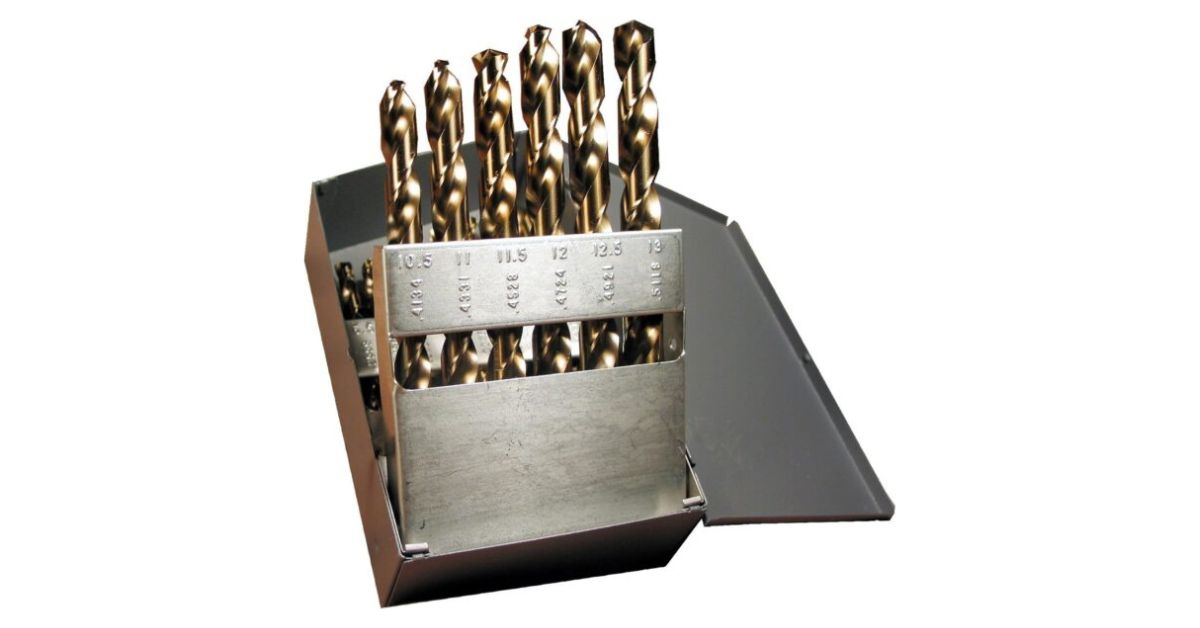
A complete selection of sizes also helps you adjust quickly without slowing down your workflow or compromising results.
Choosing The Right Material For Real-World Drilling
Clear knowledge of how each material performs helps guide better decisions on the job. Cobalt delivers durability, flexibility, and strong heat resistance across changing conditions. Carbide delivers precision when your setup supports controlled operation.
When your projects involve different materials, pressure, or setup changes, cobalt offers dependable performance, making M42 bits a better choice than carbide drill bits for sustained efficiency.
If your work calls for versatility across metal applications, a cobalt metal drill bit set from Drill Bit Warehouse can support a wide range of drilling needs without overcomplicating your setup.