

Why M42 Bits Are Popular in the Automotive Industry
Why M42 Bits Are Popular in the Automotive Industry
 2026-02-02T12:36:09-08:00
Automotive repair presents unique challenges for cutting tools. Mechanics frequently encounter hardened steel bolts, stainless steel exhaust systems, and abrasive cast-iron components that damage standard high-speed steel (HSS) tooling. When a drill bit fails halfway through a broken stud extraction, the job turns from a quick fix into a billable nightmare.
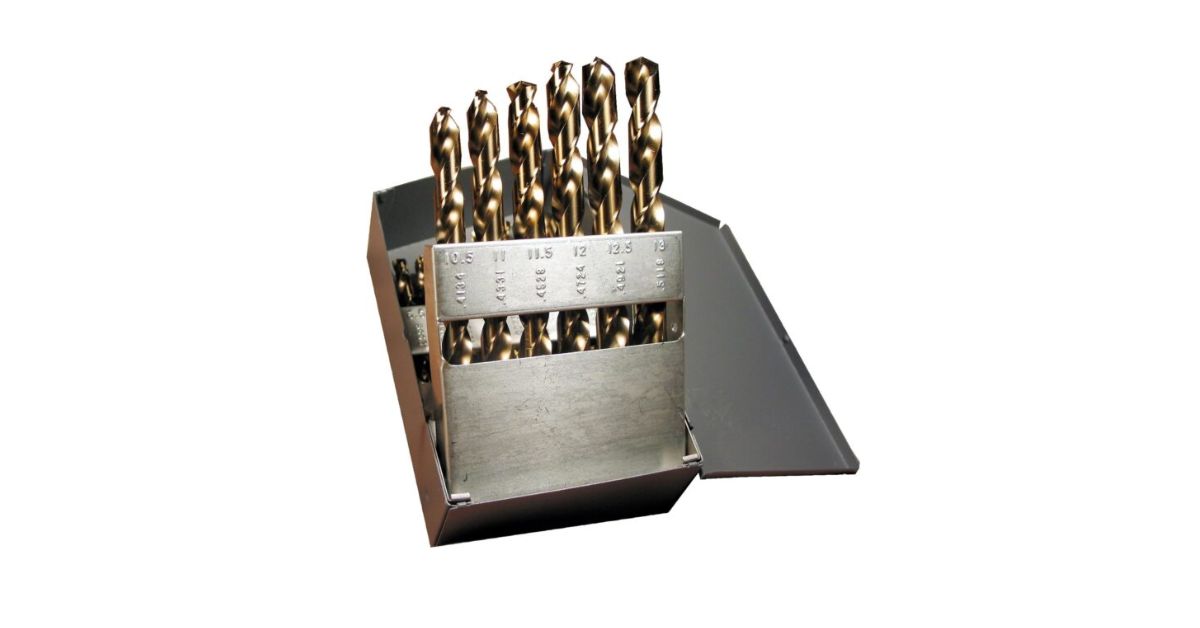
That’s why seasoned technicians and fabrication shops demand tooling that withstands extreme heat and abrasion, which explains why m42 bits are popular in the automotive industry.
Understanding The Metallurgy Of M42 Steel
Standard HSS bits lack thermal resistance for continuous automotive drilling. M42 steel, a molybdenum-series high-speed steel with 8% cobalt, differs from standard M2 or M1 bits that rely only on carbon and chromium. Cobalt changes the steel’s crystalline structure, enabling a hardness of 68-70 on the Rockwell C scale.
Tungsten and vanadium additives reinforce the matrix, enabling M42 to cut tougher materials. Designed to bridge high-speed steel and tungsten carbide, M42 offers the hardness to penetrate treated metals and the toughness for hand-held drilling, withstanding vibrations.
Superior Red Hardness Prevents Heat Failure
Friction creates intense heat during drilling, causing standard steel to soften, dull, and lose its temper quickly. ‘Red hardness’ or ‘hot hardness’ refers to a material’s ability to maintain hardness at high temperatures. M42, with 8% cobalt, withstands high heat and remains stable where other alloys fail.
For instance, an automotive technician drilling a seized exhaust manifold uses M42 to avoid bit failure, as it keeps its edge even when metal glows red. This thermal stability allows for efficient drilling without frequent bit replacements.
Conquering Work-Hardening Stainless Steel
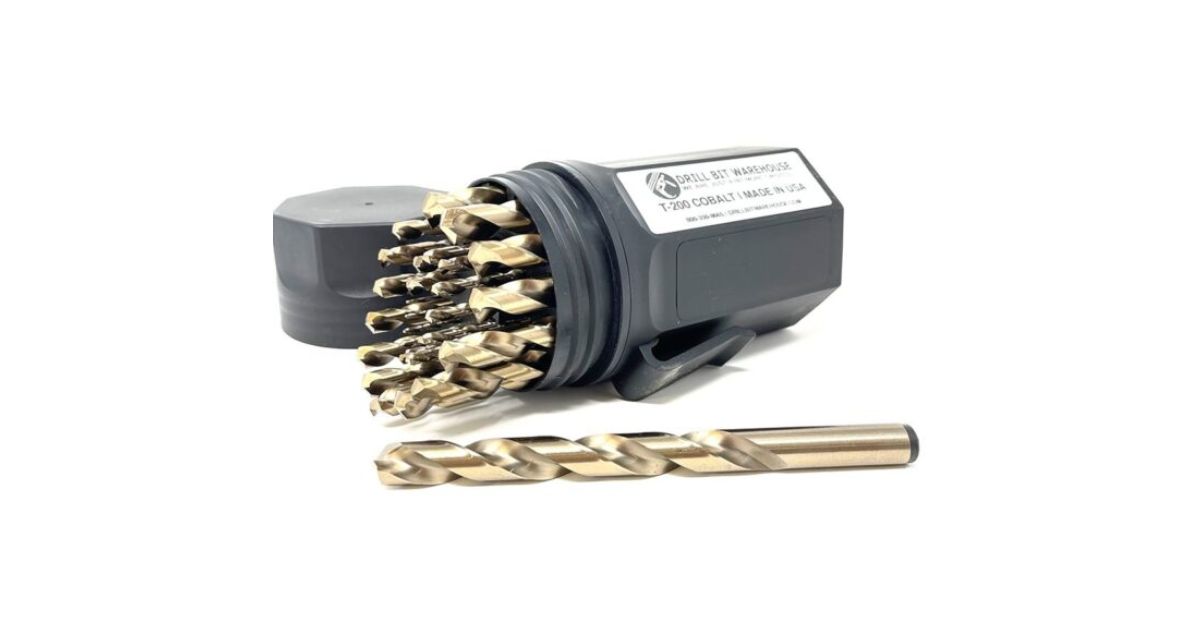
Modern vehicles often use stainless steel, primarily for exhaust systems and trim. Machining stainless steel is difficult due to work hardening, which occurs when a drill rubs without cutting, raising heat and hardness. To overcome this, it’s crucial to use cutting tools such as M42 bits that make an immediate cut, producing chips instantly.
This process traps heat within the chip, preventing work-hardening. Mechanics favor M42 bits because they cut efficiently and cleanly, without skimming, enabling precise holes in catalytic converters, exhausts, and stainless steel piping.
Resilience In High-Vibration Environments
Tungsten carbide is rigid and brittle, making it ideal for CNC machining because of its stability. However, in automotive workshops with less stable conditions, mechanics often use hand drills at awkward angles or on unstable surfaces, where small tilts can cause carbide drills to break easily. M42, which balances hardness and durability, reduces chipping and breakage during hand drilling.
When drills bind in deep holes or in thick materials such as truck frames or engine mounts, M42 absorbs shock that would otherwise shatter carbide. This makes M42 the best for portable drilling in harsh conditions, providing performance comparable to that of harder, more brittle tools.
Efficiency In Spot Weld Removal
Collision repair centers rely heavily on spot-weld removal to replace damaged body panels. Manufacturers construct modern vehicle bodies using high-strength boron steel and advanced alloys to improve crash safety. These materials damage standard drill bits. A technician might need to remove dozens of spot welds on a single quarter panel replacement.
M42 spot weld drills efficiently cut through these high-strength steels. The cobalt alloy maintains its edge sharpness through repeated cuts, reducing the force the technician must apply. Lower force results in less fatigue and cleaner separations between panels. Using inferior bits on boron steel results in burned metal and frustrated technicians. M42 allows the user to cut the top layer of the weld without penetrating the underlying frame rail, preserving the vehicle’s structural integrity.
The Economics Of Tool Longevity
Shop owners and independent mechanics constantly evaluate the return on investment for their tools. While black oxide- or titanium-nitride-coated HSS bits carry a lower initial price tag, their lifespan in an automotive setting remains short. A mechanic might burn through five standard bits to drill a single hole in a leaf spring bracket.
Purchasing M42 represents a commitment to long-term value. One high-quality cobalt bit outlasts dozens of standard bits. The downtime associated with constantly replacing dull tools costs money. Labor rates in automotive shops necessitate efficiency. Every minute a technician spends fighting a dull drill bit subtracts from the profitability of the job. M42 tooling maximizes uptime. The bit creates accurate holes faster, allowing the technician to move to the next task. Over the course of a year, the savings in replacement costs and labor time justify the higher upfront expense of cobalt alloys.

Best Practices For Drilling Hardened Automotive Parts
While M42 steel offers superior capabilities, proper use extends tool life. Mechanics who understand speed and feed rates unlock the full potential of these bits.
Managing RPM and Feed Pressure
Hard materials require lower drilling speeds (RPM) and higher feed pressure. Spinning an M42 bit too fast generates excessive heat that even cobalt cannot withstand indefinitely. Reducing the speed allows the cutting lips to engage the material properly.
The user must apply steady, heavy pressure to force the bit to cut rather than rub. M42 responds well to aggressive feed rates. The web’s strength allows the user to apply significant force, generating thick chips that dissipate heat from the hole.
The Role of Lubrication
Cutting fluid is essential for M42 steel. Although the alloy resists heat, lubrication reduces friction and facilitates chip evacuation. In automotive applications, technicians should apply high-quality cutting oil or wax to the drill point.
This practice keeps the cutting edge cool and prevents chips from welding to the flutes. For vertical drilling, gravity helps the fluid reach the cutting zone. For horizontal drilling, a paste or wax holds better than liquid oil.
Pilot Holes and Step Drilling
When drilling large holes in truck frames or thick plate steel, attempting to drill the final size immediately often overworks the tool. Using a smaller M42 bit to create a pilot hole reduces pressure on the larger drill’s chisel point. The larger bit then only needs to be cut, leaving its outer lips intact. This technique preserves the center point of large, expensive bits and speeds up the overall process. M42 pilot bits penetrate rapidly, setting the stage for the larger tool to clear the remaining material.
Specific Applications In Performance Tuning
Performance shops that modify engines and chassis often rely on M42 because it effectively handles abrasive materials like cast iron and chromoly tubing. Installing turbocharger oil feed lines requires drilling into cast iron blocks, which have silica spots that can damage standard tools. Mounting aftermarket roll cages requires drilling through chromoly tubing, which is also challenging due to abrasion.
M42’s tungsten and vanadium carbides in its steel matrix enable it to cut these tough materials cleanly while maintaining its size, preventing thread-tapping issues caused by worn bits, which can produce tapered or undersized holes and break taps. M42’s size retention ensures precise holes ready for threading.
Automotive repair demands tools that forgive no errors and accept no excuses. The materials used in modern vehicles continue to evolve, becoming lighter, stronger, and harder to machine. The ability to drill through work-hardened stainless steel, remove spot welds without damage, and survive the rigors of hand drilling reinforces why m42 bits are popular in the automotive industry.
Mechanics who equip themselves with superior tooling spend less time fighting their equipment and more time fixing vehicles. For those ready to upgrade their toolbox with professional-grade durability, a premium m42 drill bit set represents a wise investment in efficiency and capability.