Wet diamond core drilling introduces hazards that can affect operator safety before the cutting begins. Water helps control heat and dust, but it also creates electrical and slip hazards around the work area. Meanwhile, unstable equipment or unexpected obstructions can make an otherwise routine cut difficult to control.
Understanding the safety considerations when using wet diamond core bits helps contractors prepare for these conditions and recognize problems as they develop. Safe drilling begins with a thorough worksite assessment and continues through the final stages of cutting.
Concrete surfaces don’t always reveal what lies beneath them. Electrical conduits, plumbing, and reinforcing steel may run through the planned drilling location, creating hazards if the bit reaches them unexpectedly.
Before cutting, review available construction drawings and use suitable detection equipment to locate concealed utilities. If the opening intersects structural reinforcement, consult the appropriate project professional before proceeding. Cutting through reinforcement without approval can compromise the structure.
The opposite side of the drilling surface also deserves attention. When drilling through a wall or elevated slab, the concrete core may fall as the bit breaks through.
Restrict access beneath or behind the opening and establish a method to support or collect the core. These precautions help protect anyone working near the drilling location.
Wet core drilling requires a continuous water supply, which introduces electrical hazards when moisture reaches unsuitable equipment or exposed connections.
Use equipment specifically rated for wet drilling and follow the manufacturer’s electrical safety instructions. Ground-fault circuit interrupter (GFCI) protection helps reduce electric shock risks, although it doesn’t eliminate every hazard.
Inspect electrical cables and connectors for wear or damage before starting. Position connections away from standing water and direct runoff away from electrical components.
If you notice damaged insulation or an electrical malfunction, stop work and disconnect the power through a safe, dry means. Never attempt electrical repairs while the equipment remains energized.
Core drilling places considerable force on the cutting assembly, particularly when the bit encounters dense aggregate or reinforcing steel. An unstable setup can shift under pressure, affecting cutting accuracy and operator control.
For stand-mounted drilling, verify that the mounting surface can support the equipment and anticipated drilling forces. Install anchors according to the manufacturer’s specifications and inspect the mounting hardware before starting.
Vacuum-mounted stands require extra care because uneven or porous surfaces can reduce holding strength. Follow the equipment manufacturer’s restrictions, including any requirements for mechanical restraints.
When using handheld equipment, maintain stable footing and operate within the manufacturer’s permitted drilling capacities. Never attempt a hole diameter that exceeds the equipment’s operating limits.
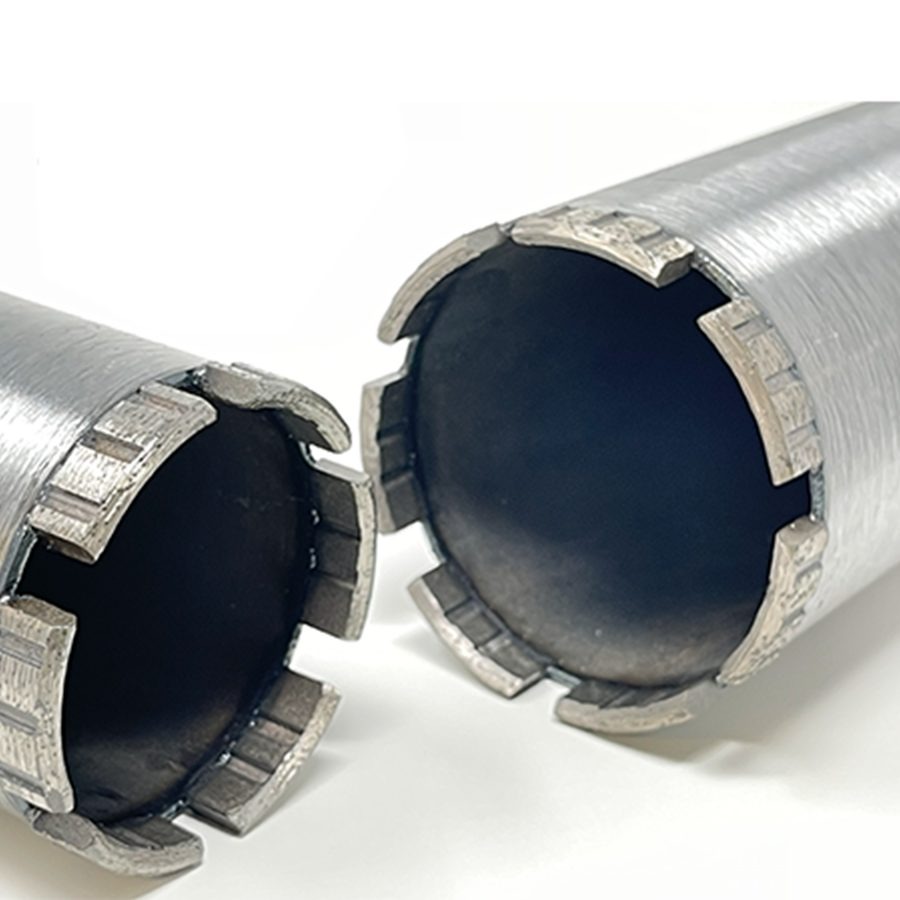
Even with water controlling much of the airborne dust, wet core drilling exposes operators to concrete slurry, abrasive particles, and substantial noise.
Select personal protective equipment according to the conditions at the worksite:
Water reduces airborne crystalline silica dust when operators maintain adequate flow, but it doesn’t eliminate exposure under every condition.
Evaluate potential dust exposure and follow applicable occupational safety requirements. Some operations may still require respiratory protection, depending on the drilling conditions and exposure assessment.
Water serves two important purposes during wet diamond core drilling. It cools the diamond segments and carries abrasive particles away from the cutting surface.
When water flow decreases, heat and friction can build around the cutting edge. Excessive heat may accelerate segment wear and make drilling more difficult to control.
Check the water supply before starting and follow the manufacturer’s recommended flow rate. During drilling, monitor the discharge for changes that may indicate restricted circulation.
A consistent slurry discharge generally suggests that water reaches the cutting area and removes debris. However, slurry appearance alone doesn’t confirm adequate cooling.
If the supply becomes restricted or stops unexpectedly, stop drilling and investigate the problem. Continuing without sufficient cooling can damage the bit and increase operating hazards.
Diamond core bits remove material through abrasion, making controlled feed pressure important for stable cutting. Excessive force can overload the cutting segments and increase the likelihood of binding.
Begin drilling according to the equipment manufacturer’s instructions, allowing the bit to establish a stable cutting path. Once the cut progresses, maintain steady pressure while monitoring changes in resistance.
Sudden resistance may indicate reinforcing steel, accumulated debris, or an obstruction within the opening. Continuing to force the bit can increase torque and cause unexpected equipment movement.
If the bit binds, stop the equipment and isolate its power supply before attempting to free it. Never try to release a jammed bit while the cutting assembly remains energized.
Recognizing these safety considerations for wet diamond core bits becomes particularly important when cutting through reinforced concrete, where material conditions can change throughout the hole.
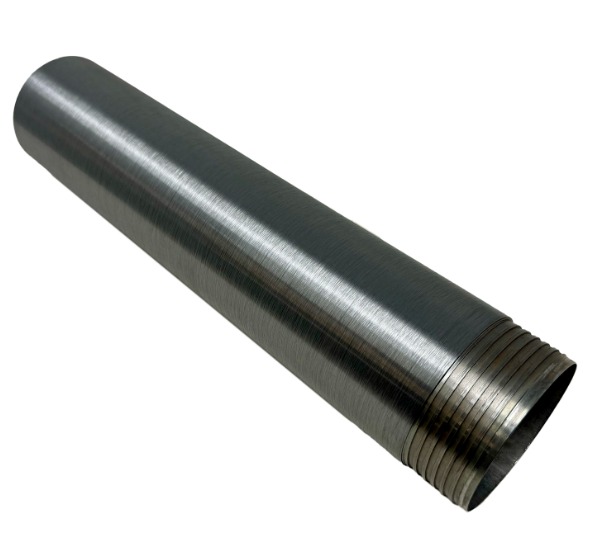
A damaged core bit can produce excessive vibration or unstable cutting, even when the drilling equipment operates correctly.
Before installation, examine the core barrel for cracks or deformation. Inspect the diamond segments for missing sections, unusual wear, or damage around their attachment points.
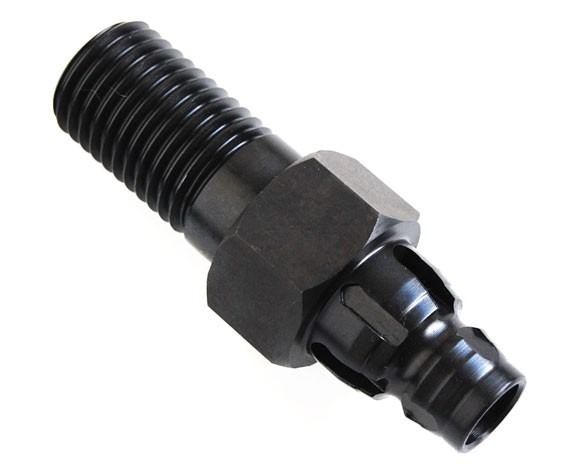
Check the connection threads for damage and confirm that the bit matches the equipment’s specifications. An improper connection can affect stability during operation.
The condition of wet diamond core drill bits also influences cutting performance, particularly when working through abrasive concrete or dense aggregate. Replace damaged cutting components rather than continuing with a questionable bit. If unusual vibration develops during drilling, stop and inspect the equipment before resuming work.
Wet drilling produces slurry as water mixes with concrete particles. Without adequate containment, this mixture can spread across nearby surfaces and create slippery working conditions.
Use appropriate collection equipment or barriers to control runoff. Keep access routes clear and prevent slurry from reaching electrical connections or adjacent work areas.
Consider where the wastewater will go before drilling begins. Concrete slurry can contain alkaline material and fine particles that require controlled handling and disposal under local regulations.
Once the cut finishes, allow the equipment to stop before removing the core. Disconnect the power supply before cleaning the bit or inspecting cutting components.
Maintaining an orderly work area also makes it easier to identify leaks, damaged equipment, or other hazards before the next hole.
Safe wet core drilling depends on proper preparation and consistent attention to changing cutting conditions. Inspecting the worksite, maintaining stable equipment, and following manufacturer instructions help operators reduce avoidable hazards throughout the job.
At Drill Bit Warehouse, we carry professional wet diamond core bits for concrete and masonry applications. Browse our selection to find the appropriate cutting dimensions and specifications for your next project.
Share this article