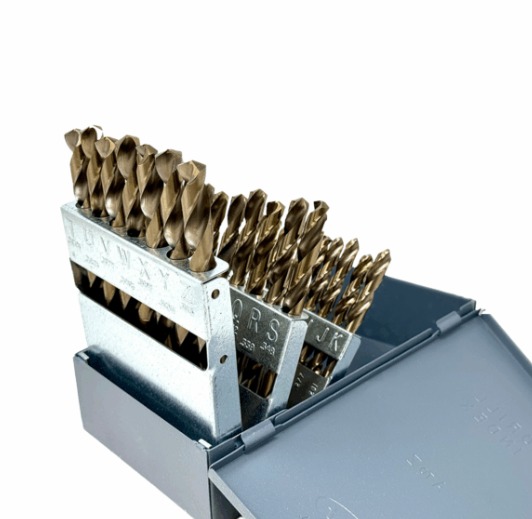
A drill bit that cuts easily through a mild-steel bracket may struggle when it reaches a stainless steel exhaust component. Automotive metals vary in hardness and machinability, which can make seemingly simple drilling jobs more demanding than expected. These differences help explain why cobalt drill bits are preferred for automotive work, particularly when conventional high-speed steel (HSS) bits struggle with tougher materials.
For mechanics and fabricators, cobalt drill bits offer a useful option for work involving resistant steel alloys. The right selection depends on the component, the hole requirements, and the conditions under which you’ll drill.
Fabricating a mounting plate from alloy-steel stock can require more careful drilling than working with mild steel. The cutting edges must penetrate the material without excessive rubbing, especially as the hole gets deeper.
Cobalt drill bits can handle many of these jobs because their cutting edges maintain hardness at temperatures that may affect conventional HSS bits. However, the workpiece’s actual hardness determines whether cobalt tooling is appropriate.
For example, a fabricator preparing a custom mounting plate from tough steel stock may find that a cobalt bit cuts more consistently across several holes.
Before modifying an existing vehicle component, identify the material and consult the manufacturer’s repair guidance. Structural or safety-related parts may require approved procedures or specialized machining.
Stainless steel exhaust components can present challenges when a drill bit struggles to maintain a steady cut. Certain grades harden at the surface if the cutting edge rubs against the metal without removing enough material.
Consider an exhaust hanger that needs another mounting hole. If the bit spins without producing chips, the surface may become increasingly difficult to penetrate.
A sharp cobalt bit can help with this type of work, provided the operator maintains suitable cutting conditions. Keep the workpiece secure and use enough feed pressure to maintain chip formation without forcing the drill.
Cutting fluid can help manage friction when the material and setup allow. For thin exhaust components, support the metal near the hole to limit movement or distortion.
Custom automotive projects sometimes require several brackets with identical mounting patterns. Once you’ve marked the hole locations, maintaining consistent drilling performance across each piece becomes important.
As a bit wears, it may cut more slowly or require more pressure. This can interrupt production and make it harder to maintain a predictable workflow.
Cobalt drill bits can be useful when repeated drilling involves steel that places considerable demands on conventional HSS tooling. However, the bit won’t compensate for inaccurate layout work.
A drilling jig or suitable fixture can help maintain consistent hole positions when producing several matching parts. Checking the first completed piece against the mounting pattern can also prevent errors across the remaining components.
Installing aftermarket components sometimes requires fabricating new mounting hardware. Custom exhaust supports, accessory brackets, and equipment mounts may need holes that match existing attachment points or accommodate specific fasteners.
The challenge often comes from the steel stock used to make the replacement part. A thicker plate may require more careful chip removal, while a harder alloy can slow cutting progress. Cobalt drill bits can serve these applications when the material falls within their machining capabilities.
Before drilling, confirm the fastener diameter and mark the hole locations against the mounting pattern. If the component requires several holes, a template can help maintain consistent spacing.
For larger openings, consider whether a pilot hole suits the bit geometry and drilling setup. Follow the manufacturer’s recommendations, since an unnecessarily large pilot hole can interfere with proper cutting-edge engagement.
Accurate preparation reduces the chance of remaking a bracket because the finished holes don’t align.
Hole placement matters when a fabricated bracket must align with existing mounting points. Even a small positioning error can prevent the bolts from passing through the finished component.
The drill point influences how accurately the cut begins. Many cobalt drill bits feature a 135-degree split-point design, which can reduce wandering when the tip first contacts metal.
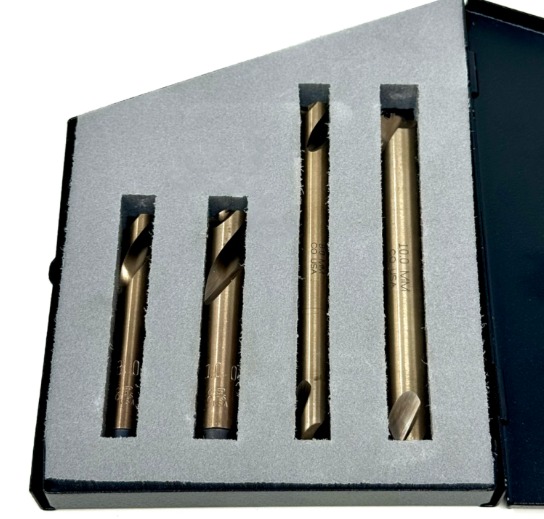
For a custom accessory bracket, mark the hole centers before securing the material. Depending on the drilling setup, a center punch or spotting drill can help establish the starting location.
Keep the drill aligned as it enters the workpiece. Tilting during the cut can affect hole quality and place unwanted pressure on the bit.
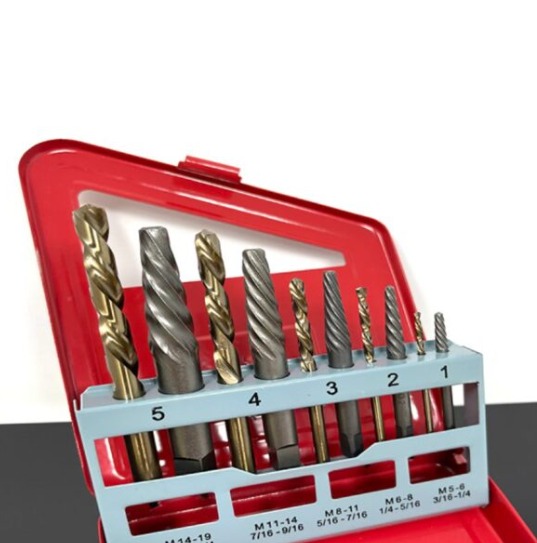
Choosing cobalt doesn’t eliminate the need to adjust cutting conditions. A stainless steel flange and a mild-steel bracket may require different speeds even when the holes share the same diameter.
Rotational speed deserves particular attention. Running too fast can create excessive friction, while feeding too lightly may allow the cutting edges to rub against the workpiece.
Before drilling, check the following:
Pay attention to how the bit cuts. A noticeable change in chip formation or increased resistance may indicate that you need to adjust the cutting conditions.
A cobalt drill bit isn’t automatically the best choice for every automotive job. Many routine repairs involve materials that don’t place substantial demands on the cutting edge.
For example, drilling a mounting hole in a mild-steel accessory bracket may not require cobalt. Aluminum brackets often benefit more from suitable cutting geometry and effective chip removal than from greater heat resistance.
Some hardened automotive components present the opposite problem. Their hardness may exceed what a cobalt bit can machine effectively, even at reduced speeds.
Before selecting a bit, consider the component’s material specifications and whether heat treatment has altered its machinability. Choosing the appropriate cutting tool can prevent unnecessary expense and reduce the risk of damaging the workpiece.
Cobalt drill bits make the most sense in automotive applications when the workpiece creates cutting conditions that challenge ordinary HSS. However, required hole dimensions also influence which bit works best.
For example, drilling through a thin stainless steel exhaust hanger requires less cutting depth than preparing a thick steel mounting plate. Deeper holes give chips more distance to travel before leaving the cut.
Hole diameter affects cutting speed and how much material the bit must remove. Larger openings may require a different drilling sequence, depending on the material and equipment.
When choosing a bit, check the required hole diameter against the fastener specifications. Confirm that the flute length can accommodate the drilling depth while allowing chips to escape.
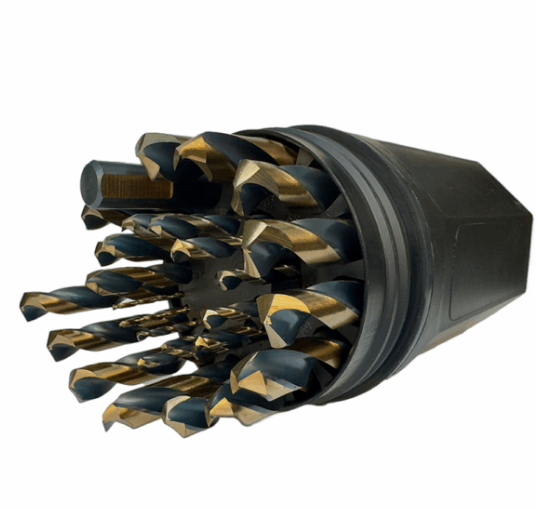
If you’re working with several hole sizes, M42 cobalt drill bit sets can provide a convenient selection for different fabrication requirements.
Cobalt drill bits can provide dependable cutting performance when automotive repairs involve stainless steel or tougher alloys. Matching the bit to the material and planning the drilling process carefully helps reduce unnecessary wear.
Browse Drill Bit Warehouse’s selection of cobalt drill Bits to find cutting tools suited to your automotive metalworking needs.
Share this article